

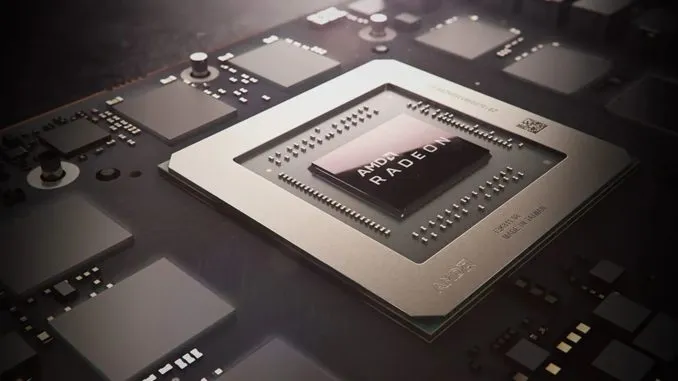
AMD engineer confirms RDNA3 multi node GPU designs
Engineers make the best news sources.
Keep up to date with the most important stories and the best deals, as picked by the PC Gamer team.
You are now subscribed
Your newsletter sign-up was successful
Want to add more newsletters?
Every Friday
GamesRadar+
Your weekly update on everything you could ever want to know about the games you already love, games we know you're going to love in the near future, and tales from the communities that surround them.
Every Thursday
GTA 6 O'clock
Our special GTA 6 newsletter, with breaking news, insider info, and rumor analysis from the award-winning GTA 6 O'clock experts.
Every Friday
Knowledge
From the creators of Edge: A weekly videogame industry newsletter with analysis from expert writers, guidance from professionals, and insight into what's on the horizon.
Every Thursday
The Setup
Hardware nerds unite, sign up to our free tech newsletter for a weekly digest of the hottest new tech, the latest gadgets on the test bench, and much more.
Every Wednesday
Switch 2 Spotlight
Sign up to our new Switch 2 newsletter, where we bring you the latest talking points on Nintendo's new console each week, bring you up to date on the news, and recommend what games to play.
Every Saturday
The Watchlist
Subscribe for a weekly digest of the movie and TV news that matters, direct to your inbox. From first-look trailers, interviews, reviews and explainers, we've got you covered.
Once a month
SFX
Get sneak previews, exclusive competitions and details of special events each month!
Sometimes a juicy leak comes from an unexpected source. In this case, the leak comes from an AMD Infinity Data Fabric Silicon Design engineer who probably got a good dressing down from their boss after screenshots of what they are working on circulated on the internet, (and have since been removed). A keen eyed twitterer @blueisviolet spotted a Linkedin entry from a ‘Principal member of Technical Staff’. It shows that several next generation AMD RDNA3 GPUs are very likely to feature MCM technology.
this why on some my previous twiti said rdna3 will probably start with 5nmamd pssst linkedin pic.twitter.com/ZfdfrvgwTOFebruary 4, 2022
The engineer, who is working on both Infinity Fabric and GPUs almost certainly indicates that several next generation RDNA3 graphics cards will feature an MCM or multi-chip module design. The mix of process nodes is another giveaway, and then there’s the fact that AMD already has a high performance MCM compute GPU on the market so its engineers have experience with it.
The first RDNA3 GPU to be launched will almost certainly be the flagship Navi 31. The engineer states that this GPU uses a mix of 5nm and 6nm nodes. If we follow the established naming convention, this GPU will make its way into the RX 7900 XT and 7800 XT. The Navi 32 would likely be used in a 7700 or 7600 class GPU, while the Navi 33, being a cheaper monolithic 6nm design, would likely be a more budget oriented card. Of course, those names are just pure speculation on my part.
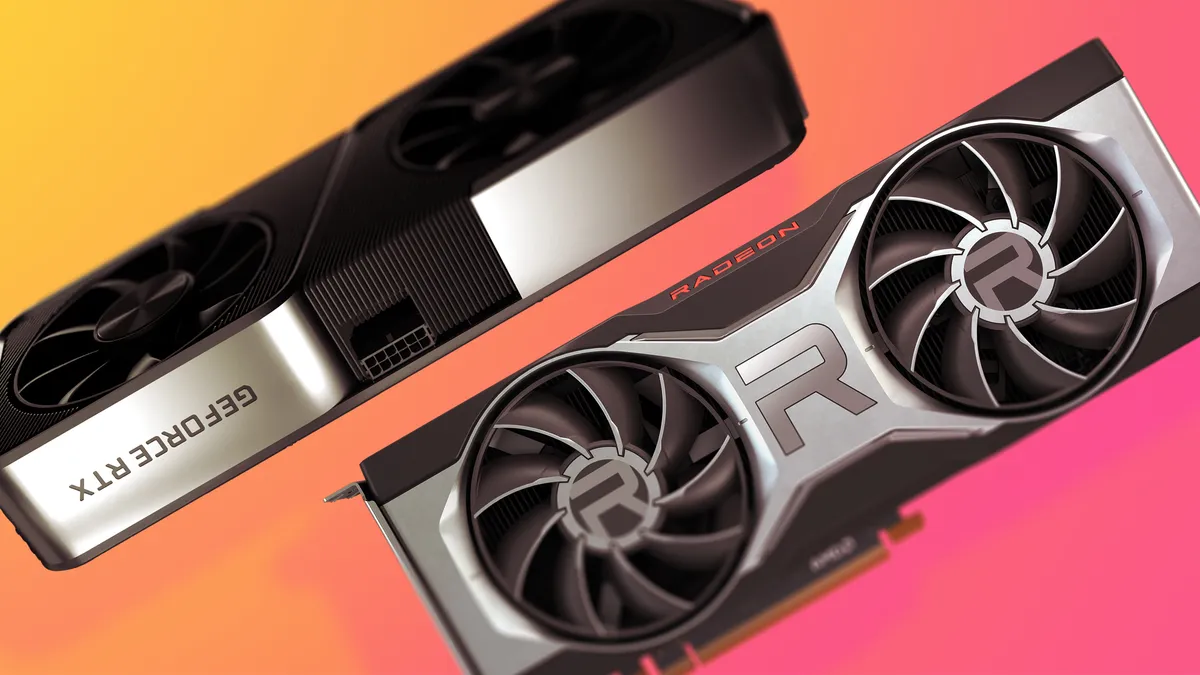
How to buy a graphics card: tips on buying a graphics card in the barren silicon landscape that is 2021
AMD CEO Dr Lisa Su directly confirmed that AMD will release next generation GPUs in 2022. The switch to an MCM design could lead to a rather dramatic increase in shader count and hopefully better yields compared to a very large monolithic chip. RDNA3 GPUs go up against Nvidia’s RTX 40 Ada Lovelace range as well as Intel’s Arc Alchemist cards. Having said that, Intel will be aiming much higher with its second generation Battlemage range scheduled for mid 2023.
In the meantime, we have a refresh of the RX 6000 series to look forward to. The hope is that supplies will gradually start to pick up, leading to more affordable cards in the hands of gamers. Supply woes aside, 2022 should see some truly powerful (and surely expensive) GPUs heading our way.
Keep up to date with the most important stories and the best deals, as picked by the PC Gamer team.

Chris' gaming experiences go back to the mid-nineties when he conned his parents into buying an 'educational PC' that was conveniently overpowered to play Doom and Tie Fighter. He developed a love of extreme overclocking that destroyed his savings despite the cheaper hardware on offer via his job at a PC store. To afford more LN2 he began moonlighting as a reviewer for VR-Zone before jumping the fence to work for MSI Australia. Since then, he's gone back to journalism, enthusiastically reviewing the latest and greatest components for PC & Tech Authority, PC Powerplay and currently Australian Personal Computer magazine and PC Gamer. Chris still puts far too many hours into Borderlands 3, always striving to become a more efficient killer.

