





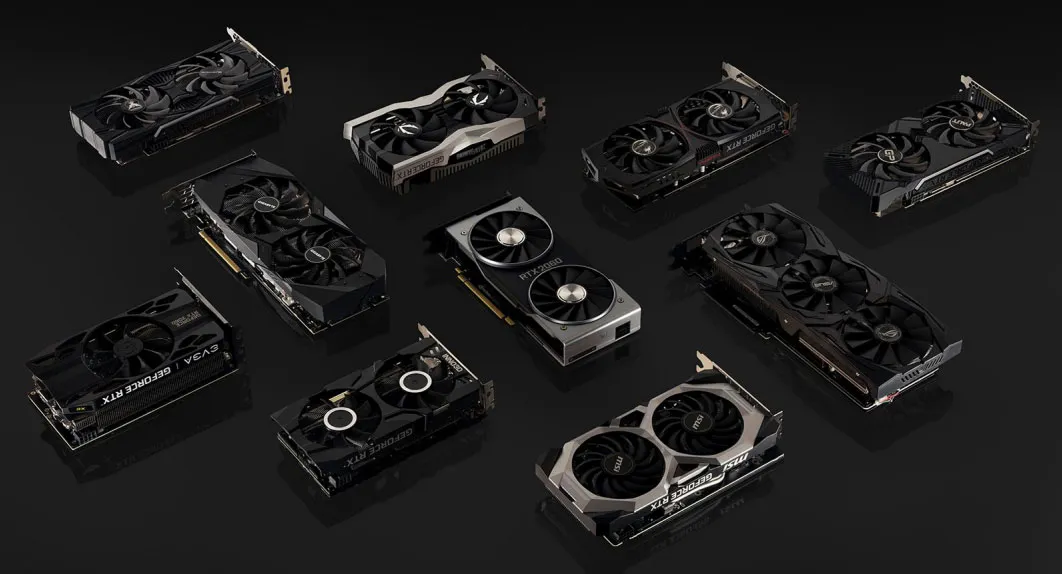
The worst of the GPU shortages are behind us. For now, at least! In a volatile global environment, it's hard to predict the future. But as things stand, a combination of factors is leading to a return to somewhat normalcy in the GPU market.
These factors include a drop in crypto mining hardware demand and a ramping up of production. There's also growing anticipation for next generation cards, leading an increasing number of potential buyers to delay their GPU purchases.
According to a new report from Jon Peddie Research, it appears the GPU market is recovering from a buyers perspective. The report states that GPU shipments in the first quarter of 2022 saw a drop of 6.2% compared to the last quarter of 2021, with "only" 96 million units shipped in Q1. Note that these figures include vast numbers of integrated graphics solutions. The combination of decreasing demand and increased supply means the days of ridiculous GPU price scalping are behind us.
After the explosive growth in sales over 2020 and 2021 due to work from home and mining demand, a pullback is hardly surprising. Add to that various geopolitical considerations including the war in Ukraine and Chinese Covid lockdowns and a 6.2% drop is a number that would have beaten many expectations.
Best CPU for gaming: The top chips from Intel and AMD
Best gaming motherboard: The right boards
Best graphics card: Your perfect pixel-pusher awaits
Best SSD for gaming: Get into the game ahead of the rest
JPR goes on to note that the overall PC market is set to remain strong going forward. The GPU market is set to achieve an annual growth rate of 6.3% between 2022-2026. Interestingly, JPR makes a prediction that discrete GPUs will grow to 46% of PCs over the next five years. That implies fewer integrated solutions which would seem to buck the recent trend of seeing powerful integrated graphics replacing low end discrete solutions.
As we draw closer to the launch of next generation graphics cards, the rest of the year is set to be interesting. It doesn’t take Nostradamus to predict that the first of these cards will be expensive, with limited availability. High end halo products generate headlines but they won’t radically shake up the overall market. We’ll have to wait for mid and low end cards before we see that.
There’s also the much talked about, and much delayed introduction of Intel’s Arc series of cards. Without hard information on how they perform and their pricing, it’s impossible to predict their effect on the market. Perhaps their influence will be felt more in the notebook market, where Intel’s CPUs and GPU notebooks are sure to be commonplace.
It really is nice to see cards end up on store shelves, and not sent by the container load to miners. Long may it continue.

