

Next gen GPUs are set to offer dramatic compute performance gains
100 TFLOPS is possible, over 2x higher than current high end cards.
Keep up to date with the most important stories and the best deals, as picked by the PC Gamer team.
You are now subscribed
Your newsletter sign-up was successful
Want to add more newsletters?
Every Friday
GamesRadar+
Your weekly update on everything you could ever want to know about the games you already love, games we know you're going to love in the near future, and tales from the communities that surround them.
Every Thursday
GTA 6 O'clock
Our special GTA 6 newsletter, with breaking news, insider info, and rumor analysis from the award-winning GTA 6 O'clock experts.
Every Friday
Knowledge
From the creators of Edge: A weekly videogame industry newsletter with analysis from expert writers, guidance from professionals, and insight into what's on the horizon.
Every Thursday
The Setup
Hardware nerds unite, sign up to our free tech newsletter for a weekly digest of the hottest new tech, the latest gadgets on the test bench, and much more.
Every Wednesday
Switch 2 Spotlight
Sign up to our new Switch 2 newsletter, where we bring you the latest talking points on Nintendo's new console each week, bring you up to date on the news, and recommend what games to play.
Every Saturday
The Watchlist
Subscribe for a weekly digest of the movie and TV news that matters, direct to your inbox. From first-look trailers, interviews, reviews and explainers, we've got you covered.
Once a month
SFX
Get sneak previews, exclusive competitions and details of special events each month!
Now that next generation high end GPUs are reaching the end of their design phase and entering the testing phase, we're getting more and more little bits of information as we get closer to the launches of the cards later in 2022.
The newest rumours suggest that Nvidia's next generation AD102 GPU could produce more than 100 TFLOPS of computer performance, which is more than double that of an RTX 3090 Ti. The info comes via a twitter discussion between serial and reliable leakers, Greymon55 and Kopite7kimi.
A TFLOP is one trillion floating-point operations per second. It's a measurement of the mathematical performance of a processor. A higher number doesn't necessarily translate into better gaming performance, but having higher floating-point capabilities mean that game developers have more resources to work with, though other factors in the system create their own bottlenecks. Raw shader performance is an advantage, but its only one part of the GPU.
Even though we expect next gen cards to feature a large increase in core/shader count, 100 TFLOPs of performance is still more than expected. This points towards a significant clock speed increase too. The higher the clock speed, the higher the TFLOP performance.
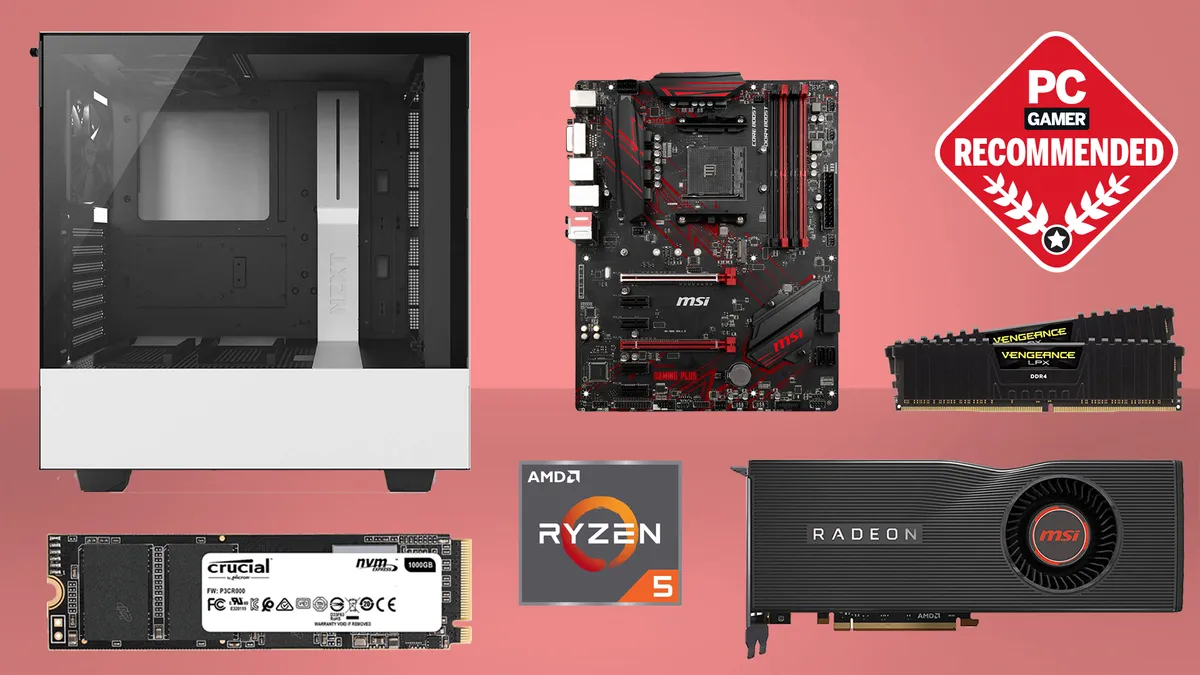
Best CPU for gaming: The top chips from Intel and AMD
Best gaming motherboard: The right boards
Best graphics card: Your perfect pixel-pusher awaits
Best SSD for gaming: Get into the game ahead of the rest
Nvidia's flagship GPU isn't the only one expected to see a dramatic TFLOP uplift. AMD's RDNA3 GPUs are expected to leap forward too. Greymon55 goes on to suggest that the 7900 XT could clock as high as 3GHz, if not more, delivering 92 TFLOPs or higher.
But despite being impressed by these TFLOP estimates, I'm not entirely surprised. If next gen cards really do end up pulling 600W, if not a lot more, then I'd expect them to offer a performance increase that worthy of such a leap. Outright performance is fine, but performance per watt matters. Admittedly most of these leaks refer to the high end RDNA3 and AD102 GPUs. We have next to no information on the lesser GPUs in the range. They're just as important to the wider market, if not more so as they're the ones that sell in volume. They certainly won't use as much power.
The next GPU battle is shaping up to be an epic one. Hopefully all of those TFLOPs will translate into higher gaming performance.
Keep up to date with the most important stories and the best deals, as picked by the PC Gamer team.

Chris' gaming experiences go back to the mid-nineties when he conned his parents into buying an 'educational PC' that was conveniently overpowered to play Doom and Tie Fighter. He developed a love of extreme overclocking that destroyed his savings despite the cheaper hardware on offer via his job at a PC store. To afford more LN2 he began moonlighting as a reviewer for VR-Zone before jumping the fence to work for MSI Australia. Since then, he's gone back to journalism, enthusiastically reviewing the latest and greatest components for PC & Tech Authority, PC Powerplay and currently Australian Personal Computer magazine and PC Gamer. Chris still puts far too many hours into Borderlands 3, always striving to become a more efficient killer.

