Join The Club





The Asus ROG Xreal Micro-OLED gaming glasses are... weird. This is the conclusion I've drawn after spending ten minutes with them at CES 2026, so take that as you will. However, it was enough time to realise that, while on paper they seem like they might be a good idea, in practice, it's... complicated.
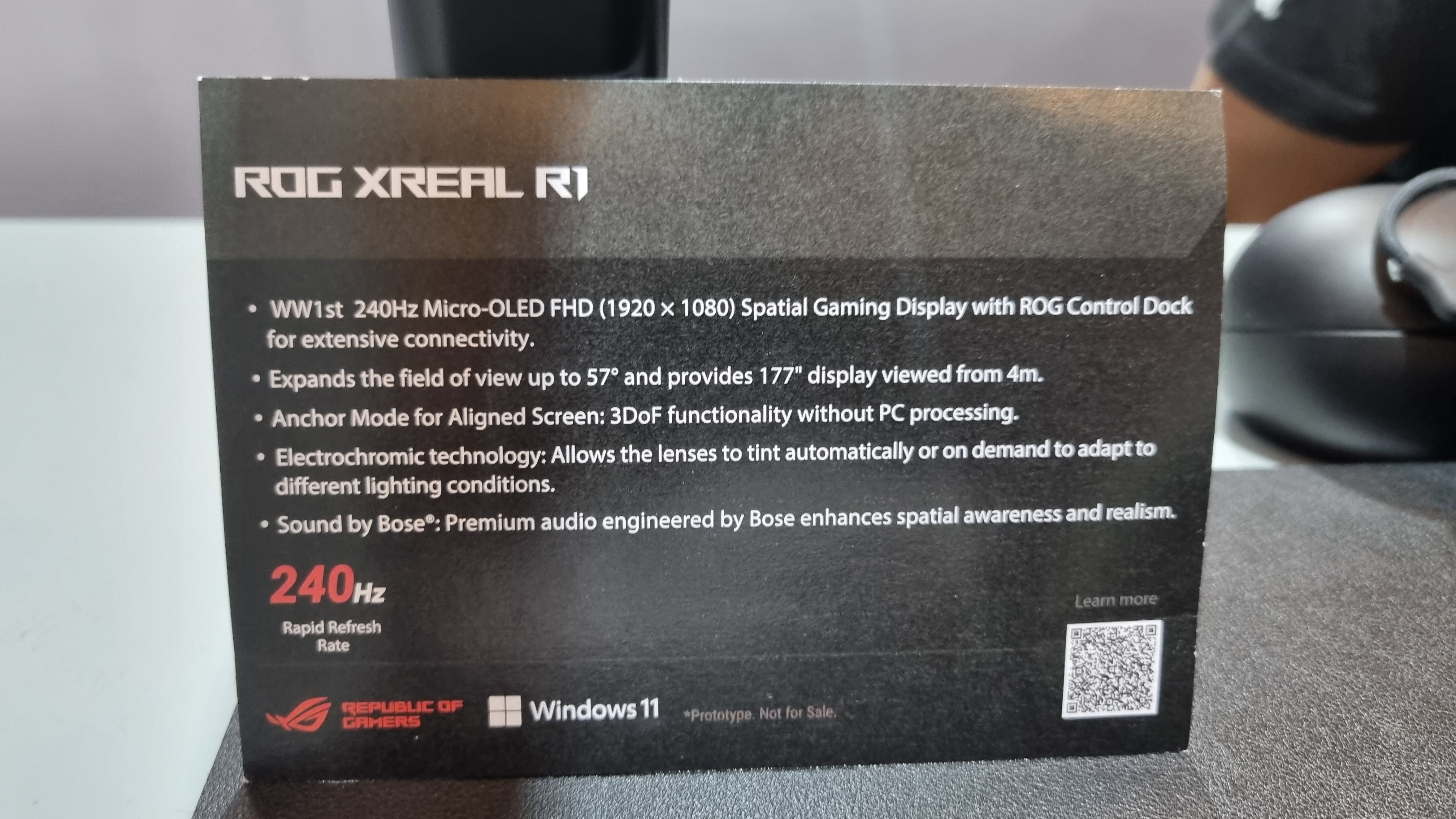
The idea is, you get a virtual 177-inch monitor beamed in front of your eyeballs via a Micro-OLED display within the glasses, covering 95% of your vision with a 57-degree field of view of excellent gaming fidelity. Why have a massive screen on your wall, when you can have a tiny one that creates the same effect in a wearable form factor?
Article continues below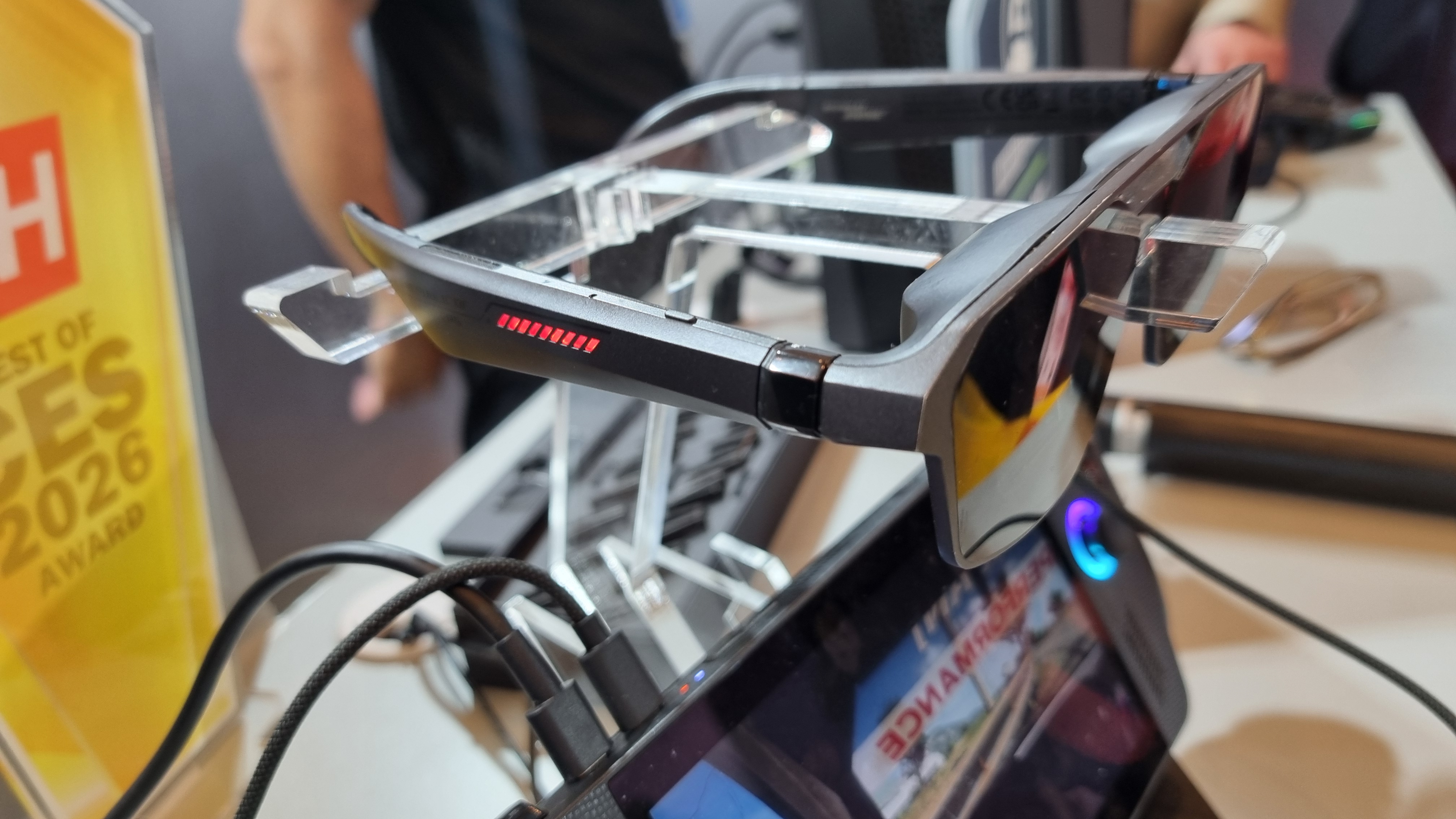
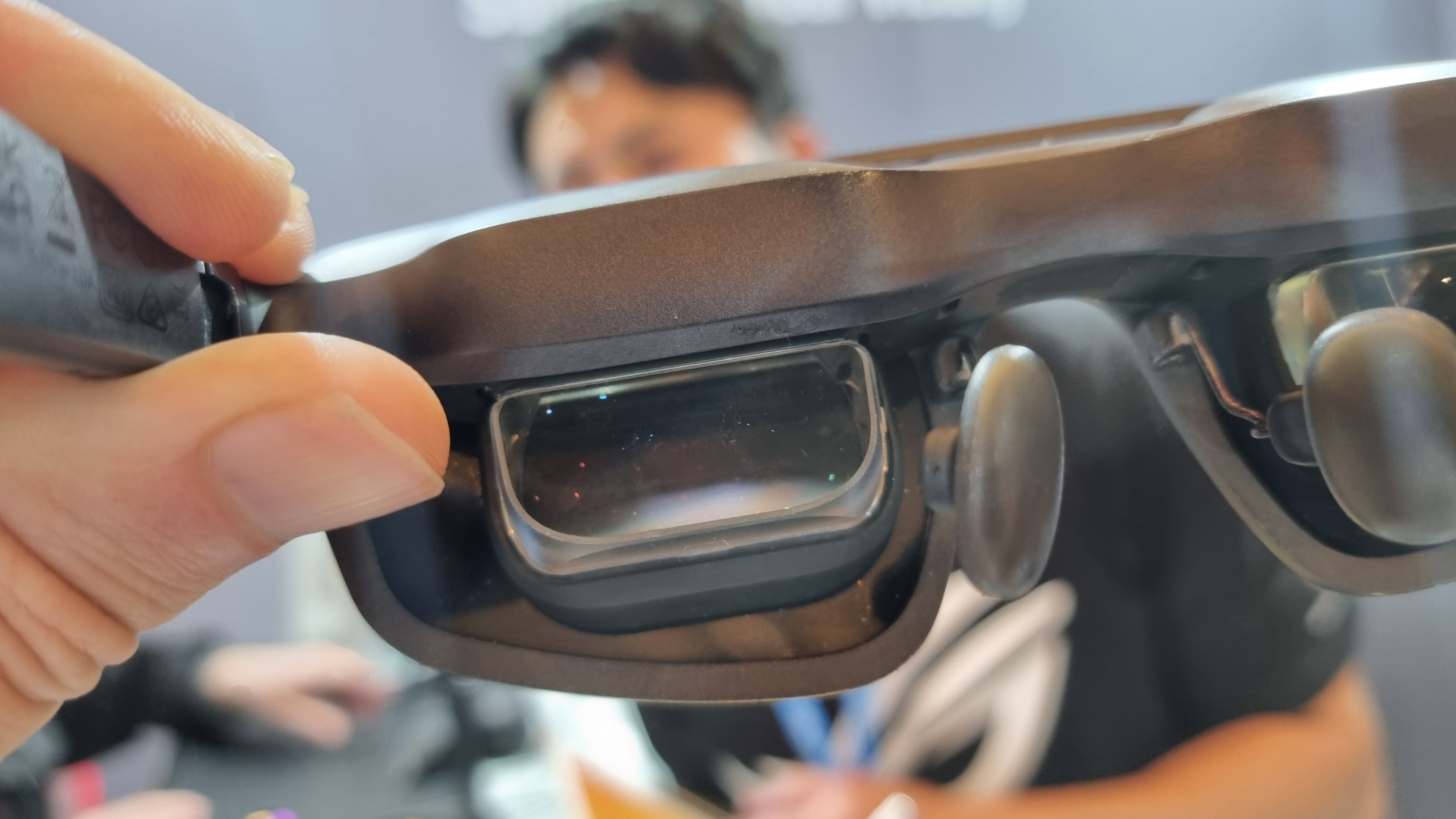
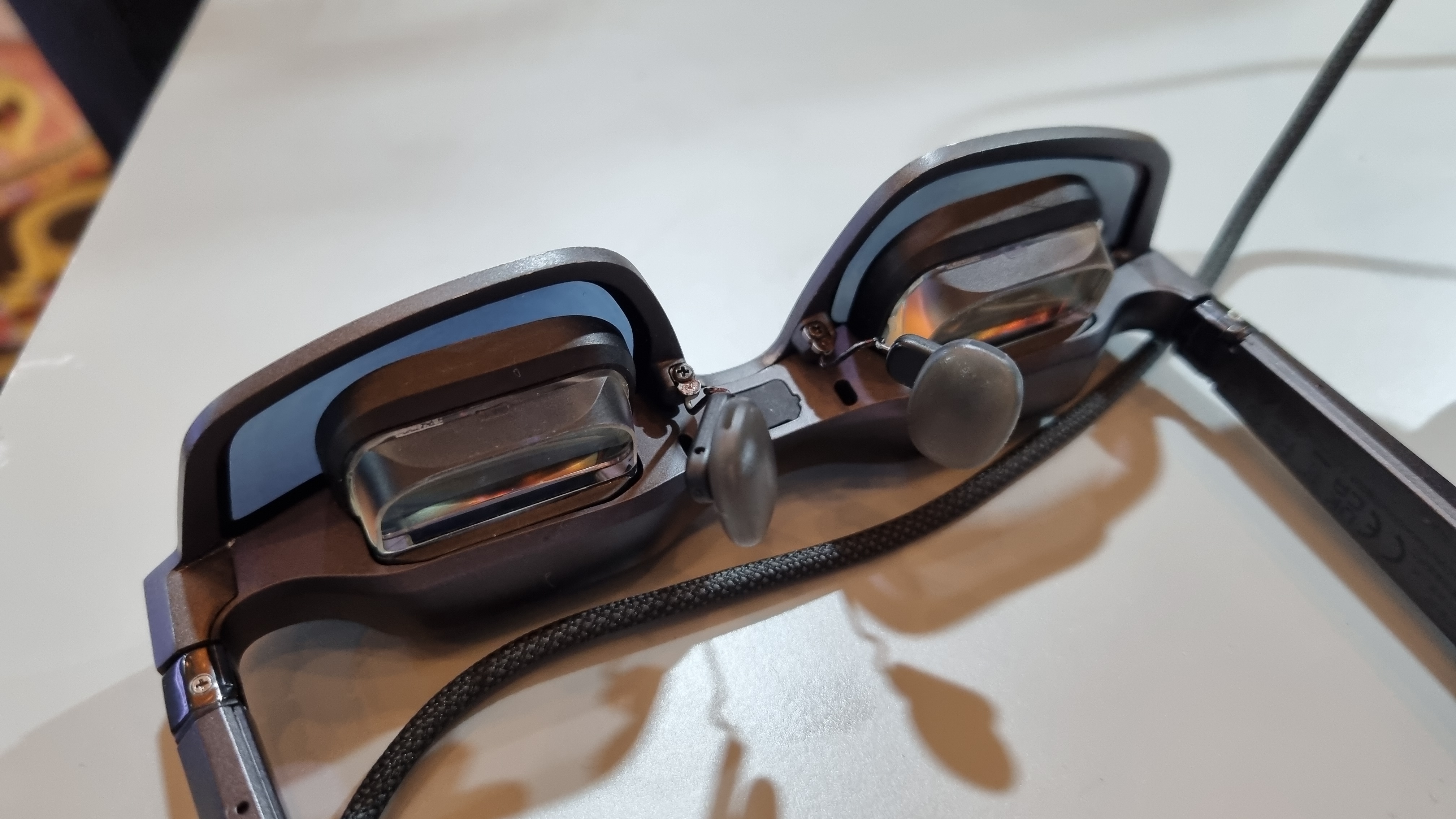
There's also a strip of RGB on each side, which really, really doesn't help with the aesthetic. The Asus glasses are reminiscent at first of Ray-Ban Wayfarers, but in person they're a little too "Buddy Holly goes cyberpunk" for my liking.
"But what about the effect?", I hear you cry. Well, the image quality of the 240 Hz Micro-OLED display is actually pretty good, despite its relatively low 1080p resolution. Unfortunately, the glasses themselves are bulky enough, and the frames restrictive enough, that the experience is ruined by a distinct impression that you're all hemmed in.
The idea is to create the illusion of a massive display in front of your face, but in practice it felt to me like looking at a gigantic screen through a small gap in someone's front room window.
The screen also stayed in one spot no matter how I moved my head, for technical AR-based reasons I don't pretend to entirely understand. I've since learned this is because they were in "Anchor Mode", which I found very, very disorienting.
Angling my head back at the exact right angle to view the screen again had me looking like an old man trying to read a bus timetable on a stormy night. It's not, you'll undoubtedly be surprised to hear, a refined experience.
Anyway, I futzed around in a racing game for a bit, decided they weren't for me, and put them back on the stand where they belong. Certainly, they were drawing a lot of attention at the Asus booth. But as something I'd actually want to own? Nah, I'm good I think. Onwards.


You must confirm your public display name before commenting
Please logout and then login again, you will then be prompted to enter your display name.