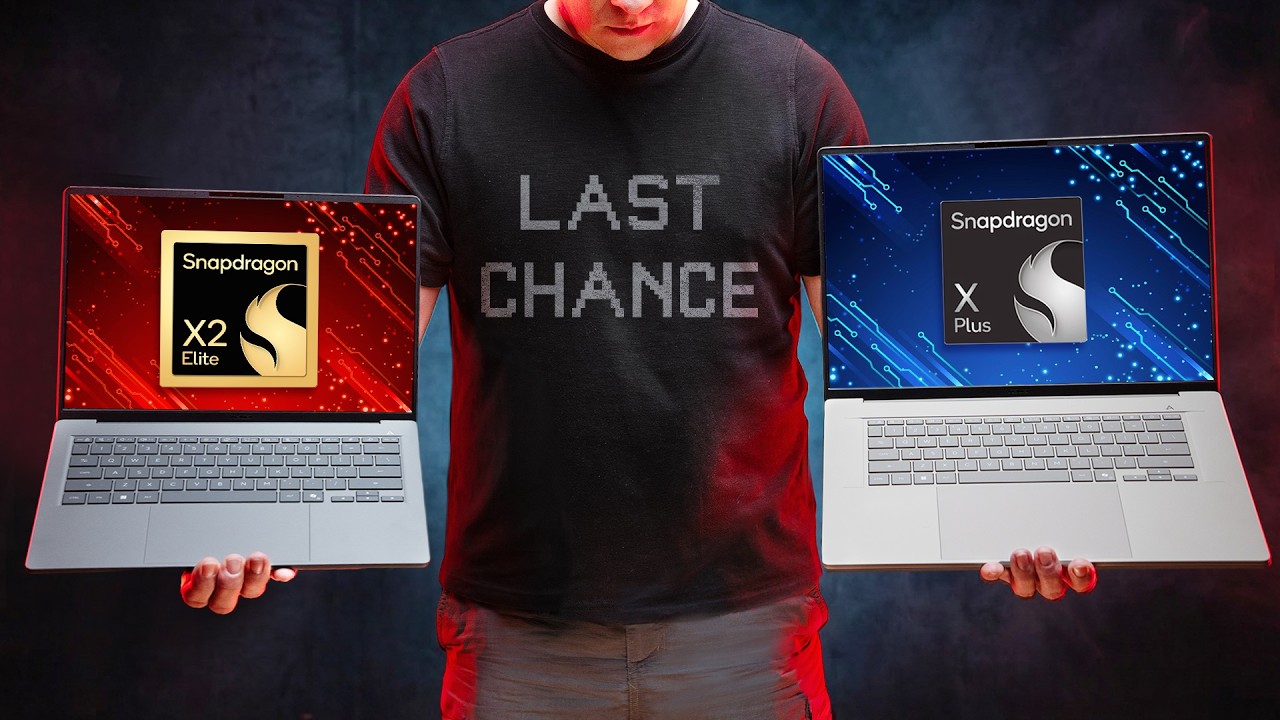
Hardware Canucks has posted a performance preview of Qualcomm's new second-gen Snapdragon X2 PC chip. And with the very heavy proviso that it's a video sponsored by none other than Qualcomm, we can say that, well, it looks decent but not hugely exciting.
For the record, the Qualcomm chip being tested is the Snapdragon X2 Elite X2E-88-100. That's got all 18 cores and the full-spec iGPU. But the CPU cores are slightly lower clocked than the top-spec X2 Elite Extreme models and, perhaps more importantly for games, it runs a 128-bit memory bus where the Extreme chips get a 192-bit bus.
Article continues belowWith all that in mind, what have we learned? For multi-threaded workloads, that 18-core Qualcomm CPU is a monster and beats the 10-core Apple M5, 12-core AMD Ryzen AI 9 HX 370, and 16-core Intel Core Ultra X9 388H, the latter being Intel's new Panther Lake CPU. That applies to both synthetic tests like Cinebench and more real-world tests like Blender.
In single-core performance, Apple's M5 still rules, but the Qualcomm chip has the edge over AMD and Intel, scoring 146 points in Cinebench 2024, versus 130 for Panther Lake and 112 for the AMD chip.

Of course, what we really care about is gaming. And here, the results would have been pretty decent except for one small snag. Yup, it's that pesky Intel Panther Lake chip. Hardware Canucks also includes some gaming results for Intel's previous-gen Lunar Lake chip. And if it was that older APU plus AMD's Ryzen AI 9 HX 370 that the new Snapdragon X2 had to take on, you'd give it the edge, at least by these limited results.
But Panther Lake does exist and it wins across the board. It wallops the Qualcomm chip in Counter-Strike 2 at 1200p High settings with 189 fps average to the Snapdragon X2's 112 fps. In Cyberpunk 2077 at 1200p Medium with RT off, the results are closer, with the X2 on 40 fps average to Panther Lake's 46 fps. Baldur's Gate 3 is another win for Intel, with 59 fps at 1200p Low settings to the X2's 54 fps.
For the record, the AMD APU is ahead of the X2 in Counter-Strike 2, but behind in the other two games. Anyway, the reality is that if gaming is a significant priority, the Qualcomm chip doesn't just have to compete on performance, it has to convince on compatibility.
Now, it is true that this has improved for the Arm-based Qualcomm chip since its launch 18 months ago or so. Importantly, Microsoft has added kernel-level anti-cheat support to Windows on Arm, which means games like Fortnite can now run on the Snapdragon chips.
It's also true that this isn't the fastest Snapdragon X2. The Extreme models have a wider memory bus, so they should be a bit quicker in games. Maybe the Extreme models will just about match Panther Lake in titles like Cyberpunk 2077 and Baldur's Gate 3.

But compatibility remains a concern in a way that simply isn't for any x86 chip. So, the way I see it, you're only going to consider this Qualcomm chip if its pure performance is so much better than Panther Lake that it offsets the compatibility concerns of trying to run x86 games on an Arm CPU. And that is incredibly unlikely, going by this early look.
In the end, the Qualcomm gaming pitch is still falling a little flat with its Snapdragon X2 chips. Qualcomm massively over-promised regarding gaming with the first generation of Snapdragon X. With the X2, it's leaning into gaming again, and while there are clear improvements, Intel has literally moved the game on for this type of ultra-light APU, and it seems unlikely that Qualcomm can keep up.
All of which means the long-promised wait for the Arm invasion of the gaming PC continues, even in ultra-light laptops. Maybe it will be Nvidia, after all, that delivers the first truly gameable Arm-based PC.
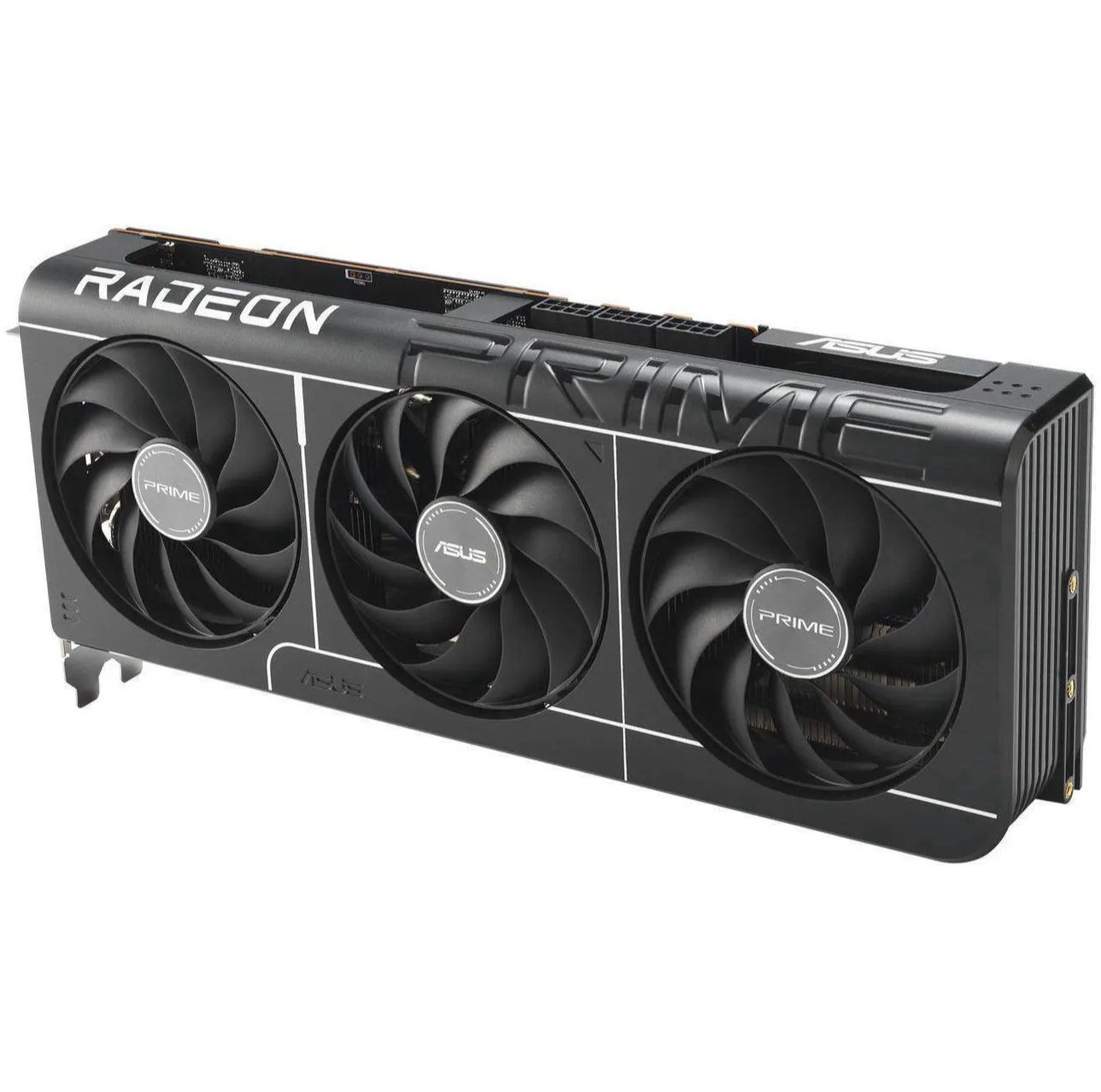
1. Best overall: AMD Radeon RX 9070
2. Best value: AMD Radeon RX 9060 XT 16 GB
3. Best budget: Intel Arc B570
4. Best mid-range: Nvidia GeForce RTX 5070 Ti
5. Best high-end: Nvidia GeForce RTX 5090

You must confirm your public display name before commenting
Please logout and then login again, you will then be prompted to enter your display name.