Join The Club





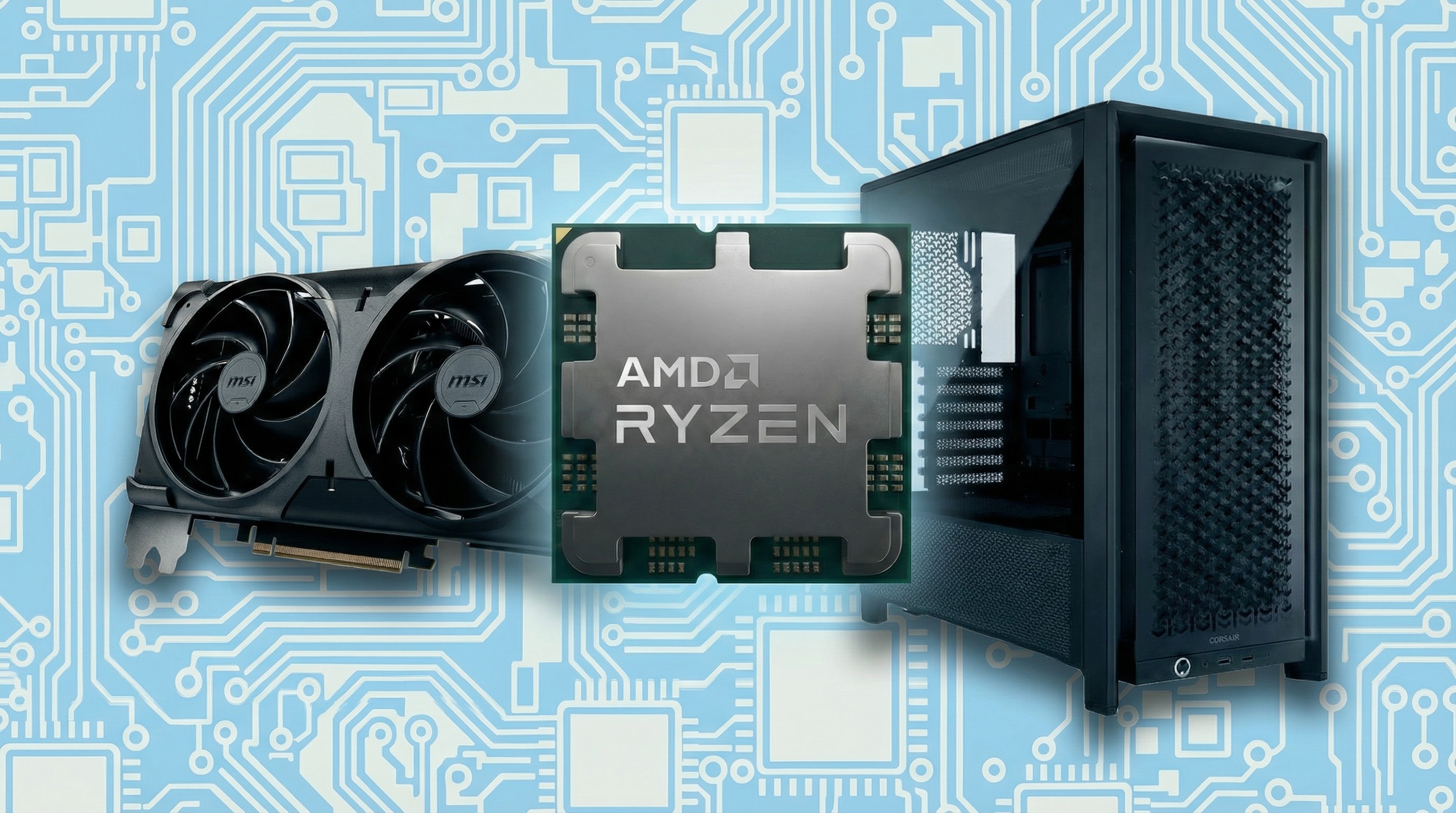
If there's one thing that the tech industry really loves to do, it's speculate on the future, especially if someone of note in the sector has made some newsworthy remark. Of late, there seems to be quite a bit of talk about the future of the home PC and that it might end up going the way of the dodo, all because of something Jeff Bezos said.
We have to go back in time to a little over a year ago, to when the founder of Amazon was interviewed by Andrew Ross Sorkin at the 2024 New York Times DealBook Summit. At one point, Bezos recalls a time when he was in Luxembourg, visiting a brewery.
"This trip was one of the little tiny catalysts for the founding of AWS (Amazon Web Services, founded 2002), and the brewery was 300 years old. This company [had been] making beer for 300 years … they had a museum, and in that museum was an electric power generator, 100 years old.
Article continues below"When they wanted to improve the efficiency of their brewery with electricity, there was no power grid, so they had to build their own power station … they made their own electricity, and at that time, that's what everybody did if a hotel wanted electricity: they had their own electric generator."
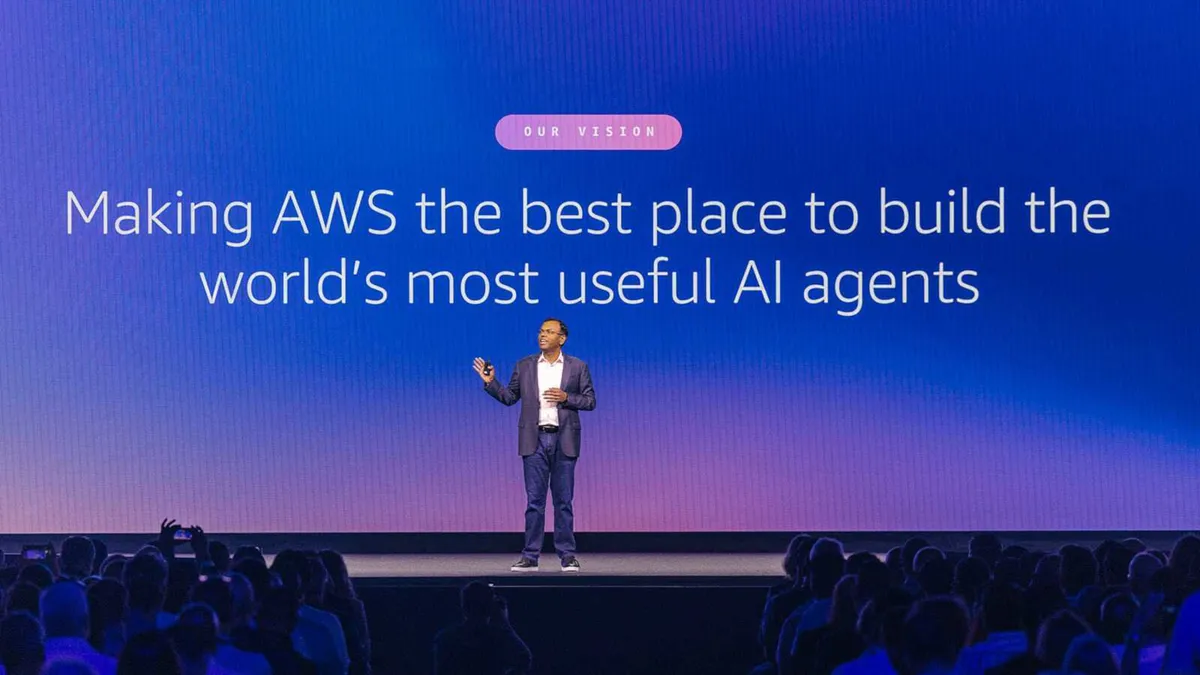
"I looked at this and I thought this is what computation is like today. Everybody has their own data center and that's not going to last. It makes no sense. You're going to buy compute off the grid. That's AWS: we were doing it internally in Amazon for ourselves, and the APIs were created."
It's this particular statement that some fellow writers have used to create a segue of their own: a discussion about the future of the home PC. Instead of having local computers doing everything for work and gaming, we'll instead just be using a 'dumb' box that streams the results from the cloud. In other words, it'll be like GeForce Now.
While there's nothing wrong with those kinds of thought experiments whatsoever, it's a bit of a stretch to basically claim that this is what Bezos is predicting. He's not: he's talking exclusively about companies, research centres, universities, etc all using their own local servers to do complex compute workloads, being replaced by a 'power grid' of hyperscaled data centers.
You might think that the big hardware and software companies of the world (AMD, Intel, Microsoft, Nvidia, et al.) would absolutely love it if everyone just did cloud computing, because they make so much money in the data center sector. However, that's only been the case in recent years, and it's all because of the growth of AI.

In the case of Nvidia, it didn't start earning more from data centers than gaming until the start of 2023. It's been an explosive growth since then with the former, but Team Green certainly isn't dreaming of having everyone just use GeForce Now on a device that can do nothing more than stream video, and for one simple reason: GFN's revenues are a fraction of what Nvidia earns from selling gaming GPUs.
Anyway, as I don't want to be any guiltier of doing what I've just been criticising (i.e. extrapolating the future based on a modicum of information), I'll just reiterate the important fact here: Bezos wasn't predicting the death of the home PC in favour of cloud computing, just localised data centers.
Something that's already happened, with Amazon, Cloudflare, Google, Microsoft, and other hyperscalers dominating the whole industry, all while hundreds of millions of home PCs are still being shipped every single year. A nothing-burger that's been written as a something-burger is still actually a nothing-burger, but you knew that already.
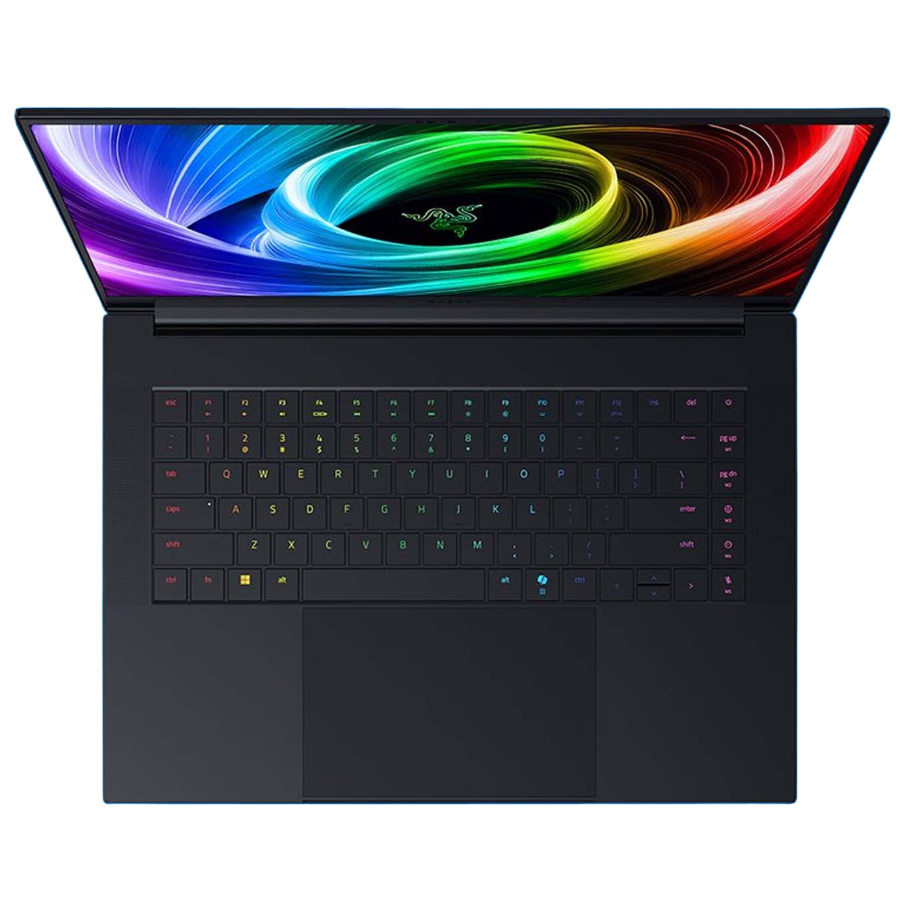
1. Best gaming laptop: Razer Blade 16
2. Best gaming PC: HP Omen 35L
3. Best handheld gaming PC: Lenovo Legion Go S SteamOS ed.
4. Best mini PC: Minisforum AtomMan G7 PT
5. Best VR headset: Meta Quest 3

You must confirm your public display name before commenting
Please logout and then login again, you will then be prompted to enter your display name.