Give it up for the Biwin CL100. It looks like a phone SIM card, and it's not the first time we've seen it, but now we have more details. It packs up to 2 TB of proper NVMe storage and runs at up to 3.7 GB/s (via Videocardz). It's not even that outrageously expensive, for now. There is, however, a catch. It's a proprietary rather than open standard.
What really marks this drive out from, say, the even smaller microSD format is the combination of performance and full NVMe 1.4 support. The CL100 measures 15 mm by 17 mm and fits into a slide-in tray that very much resembles a phone SIM tray.

The aforementioned catch is that this Biwin memory card is obviously not just something you can buy and whack in your PC or, perhaps more pertinently, your handheld gaming PC.
Reportedly, the card has been show off as an internal device inside the GPD Win 5 and OneXPlayer Super X handhelds. But the appeal here is as a card you can just slot into a handheld to upgrade the storage but with essentially the same performance as an internal M.2 drive.
That would require the handheld is fitted with Biwin's proprietary card tray and it's not clear which, if any, handhelds will be so configured. As things stand, then, this is a neat little SSD which has plenty of appeal on paper, but limited practical relevance for now.
Maybe that will change if a load of handheld gaming PC makers adopt it. Presumably if Biwin is launching the card, it expects that there will be devices it can go into (it offers an external USB 4 card reader). Or maybe Biwin will make the card an open standard.
Whatever, for the record the CL100 is available in 512 GB, 1 TB, and 2 TB capacities and priced roughly at $85, $155, and $310. As we understand it, the card is currently only available in China.
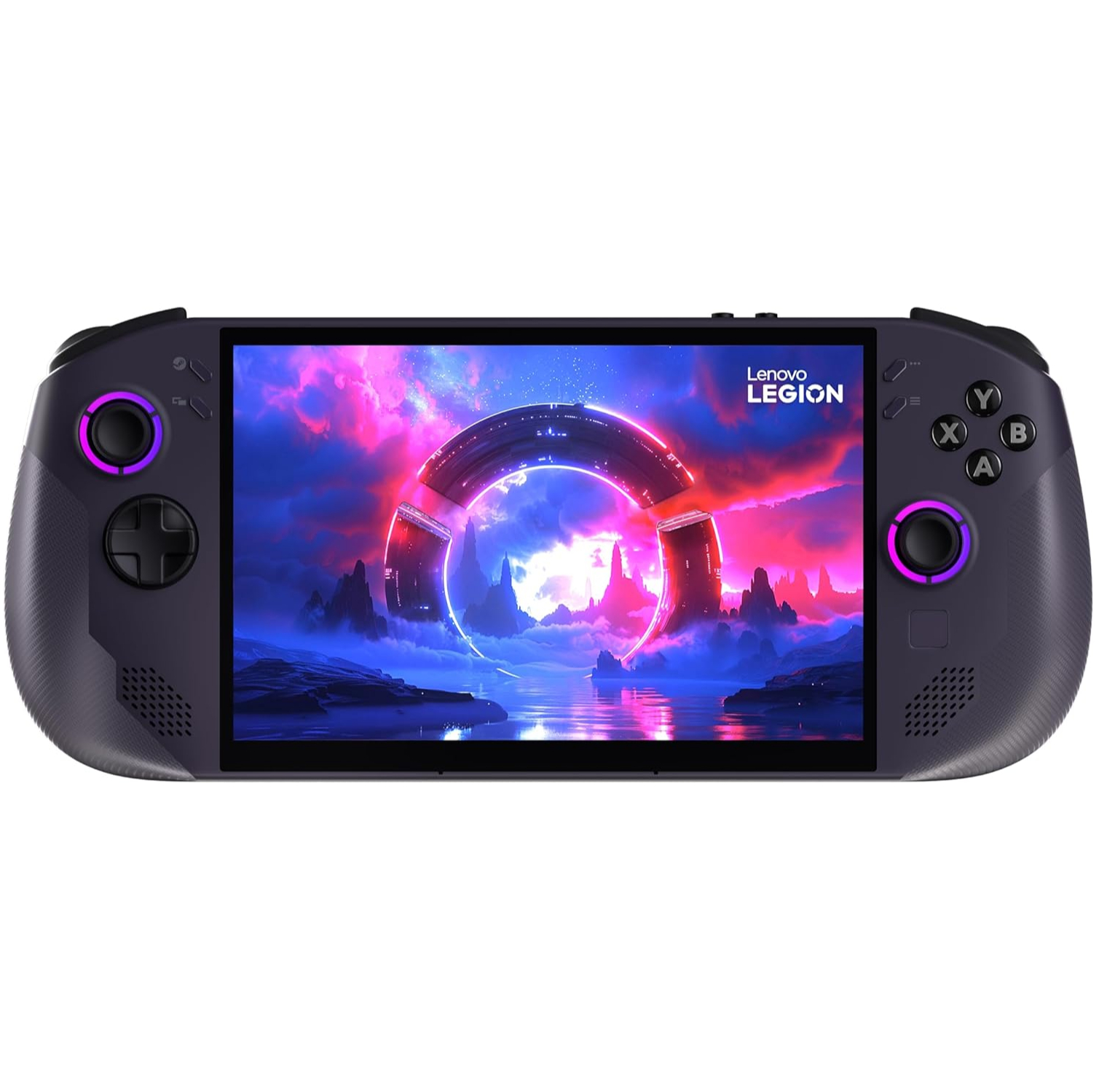
1. Best overall:
Lenovo Legion Go S SteamOS
2. Best budget:
Steam Deck
3. Best Windows:
Asus ROG Xbox Ally X
4. Best big screen:
Lenovo Legion Go
5. Best compact:
Ayaneo Flip DS

You must confirm your public display name before commenting
Please logout and then login again, you will then be prompted to enter your display name.