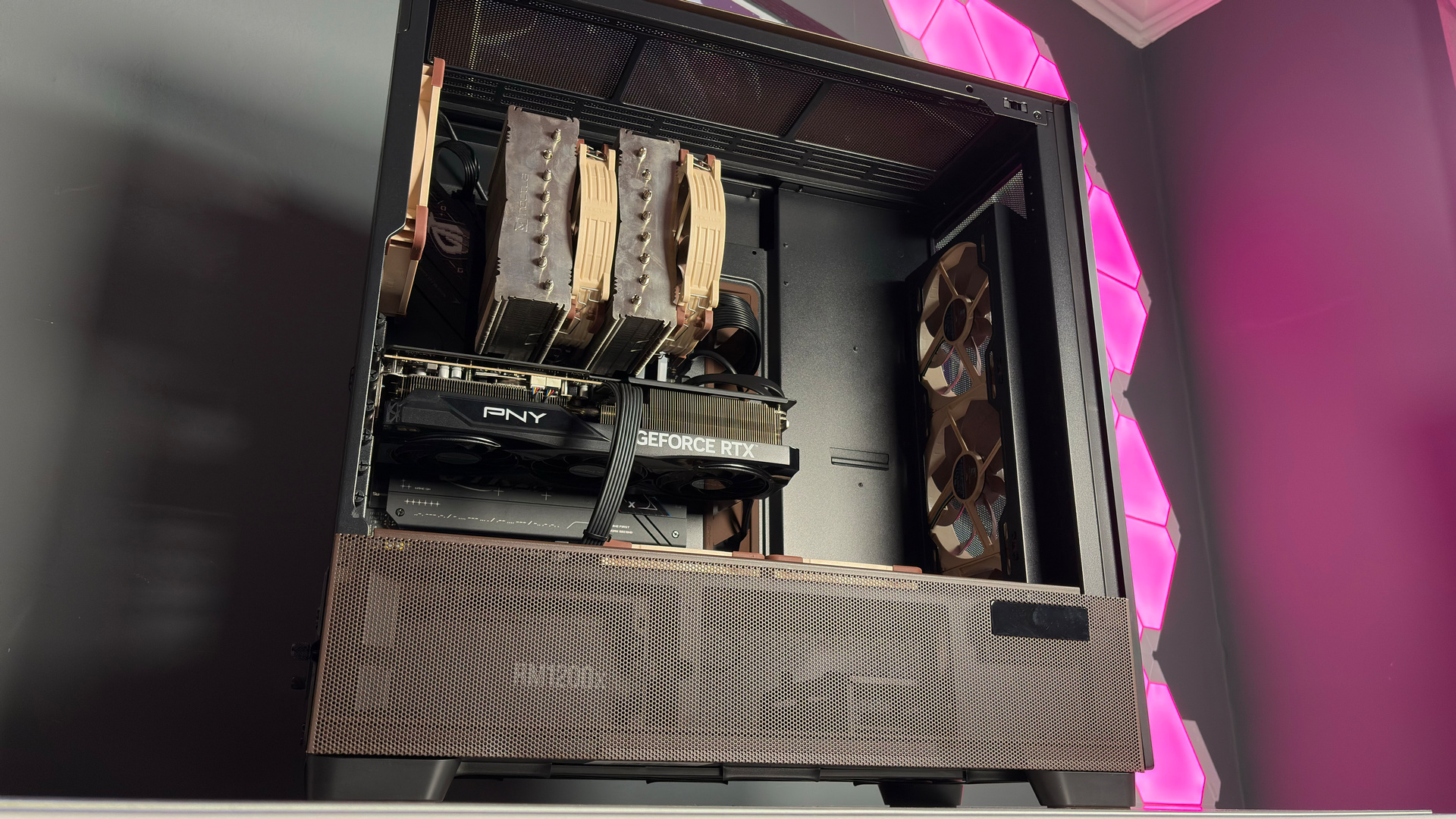
If there's one thing you don't expect to see during the final weeks of a year, right before everywhere shuts shop for the holidays, it's a new graphics card. Normally the preserve of big tech events like CES and Computex, AMD has decided to buck that trend and quietly launch a new Radeon RX 9060 XT graphics card. Its unique selling point? A marginally lower power limit.
There was no announcement behind the launch whatsoever, as AMD just dropped the new card into its product pages, alongside its other Radeon models (via BenchLife). Simply labelled as the Radeon RX 9060 XT LP, it's literally just a normal 16 GB RX 9060 XT that's had its 160 W power limit reduced to 140 W.
Article continues below 
Alternatively, it could also be useful if you were planning to make your own Steam Machine. The GPU inside that has a power limit somewhere between 110 and 140 W, and the XT LP just about fits inside that bracket. Given that it's a superior processor to the RDNA 3 chip Valve is using, I know which one I'd prefer to use.
AMD's lowest-powered RDNA 4 graphics card is the RX 9060, sporting a limit of 132 W, but that also has 13% fewer shader units than the XT variant, so it's less of a tempting option than the XT LP. By offering a more energy-friendly RX 9060 XT, without sacrificing much in the way of performance, graphics card vendors may be more tempted to produce Radeon SFF models instead of GeForce ones.
That said, it is a little odd to see that AMD has retained the 16 GB VRAM of the XT in this new LP version. While there's only a 10 W difference in power limits between the 16 GB and 8 GB variants of the RX 9060 XT, AMD could have shaved even more power off the LP model if it just used 8 GB. At 130 W, it would be an easy win over the RTX 5050 and be even better for a DIY Steam Machine.
Another reason why it's an odd choice is, of course, the whole DRAM supply crisis. SFF graphics cards tend to be a little on the pricey side because they're low-volume sellers (it's a niche market, after all), so you'd think that AMD would be looking to help out its add-in board vendors by going down an 8 GB route.
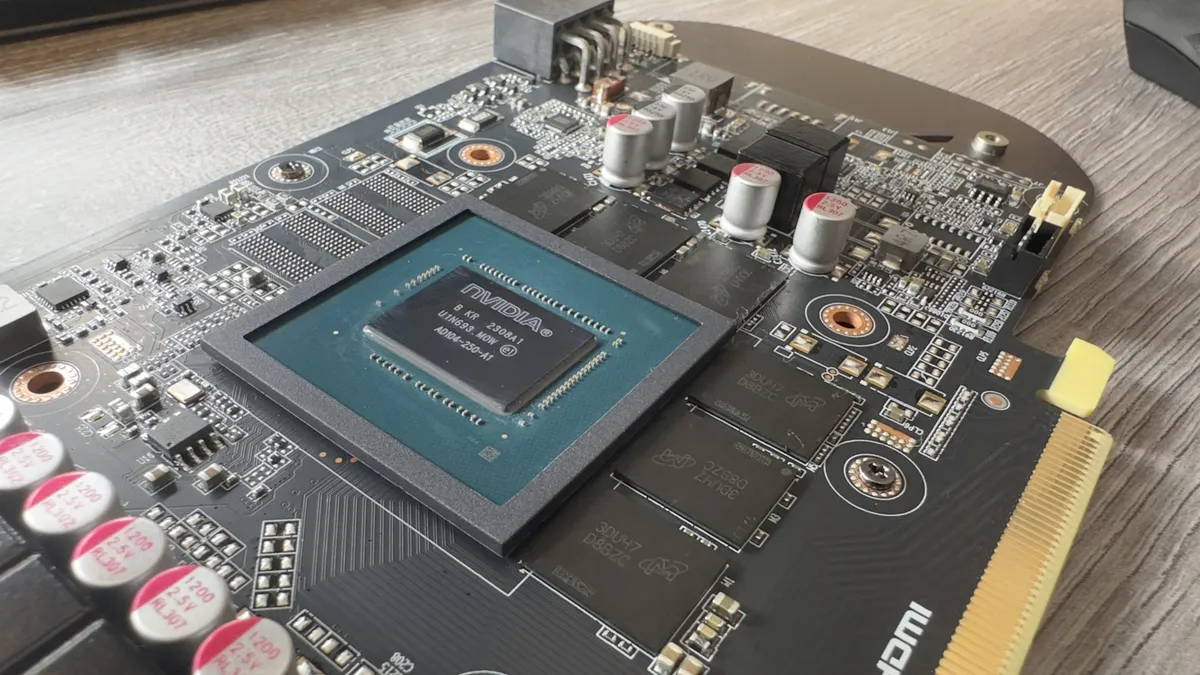
And then there's the simple fact that there's nothing stopping card vendors from simply making their own 'LP' models by capping the power limit to 140 W, by default. Perhaps AMD has tweaked the voltage-clock curves in its RX 9060 XT LP or maybe even slightly reduced the voltages all round, but I suspect that there's not a whole lot of anything special going on.
None of the usual Radeon card makers have announced any XT LP models just yet, and there's a good chance that if they do, it will only be for certain markets. The days of graphics cards being able to run solely off power via the PCIe slot might be long gone, but any move to reduce the energy consumption and heat output of a GPU, however small it may be, is good news in my books.
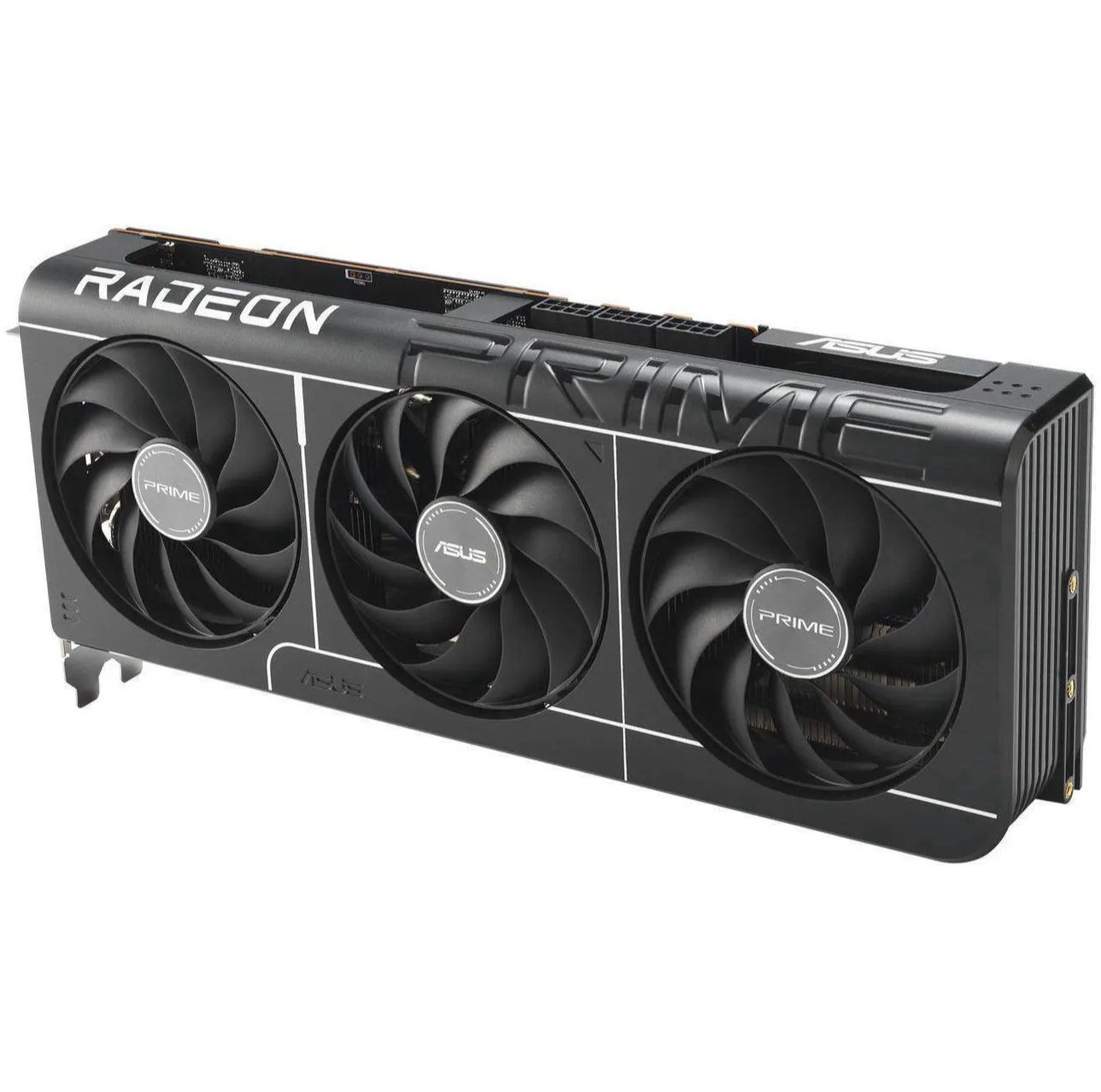
1. Best overall: AMD Radeon RX 9070
2. Best value: AMD Radeon RX 9060 XT 16 GB
3. Best budget: Intel Arc B570
4. Best mid-range: Nvidia GeForce RTX 5070 Ti
5. Best high-end: Nvidia GeForce RTX 5090

You must confirm your public display name before commenting
Please logout and then login again, you will then be prompted to enter your display name.