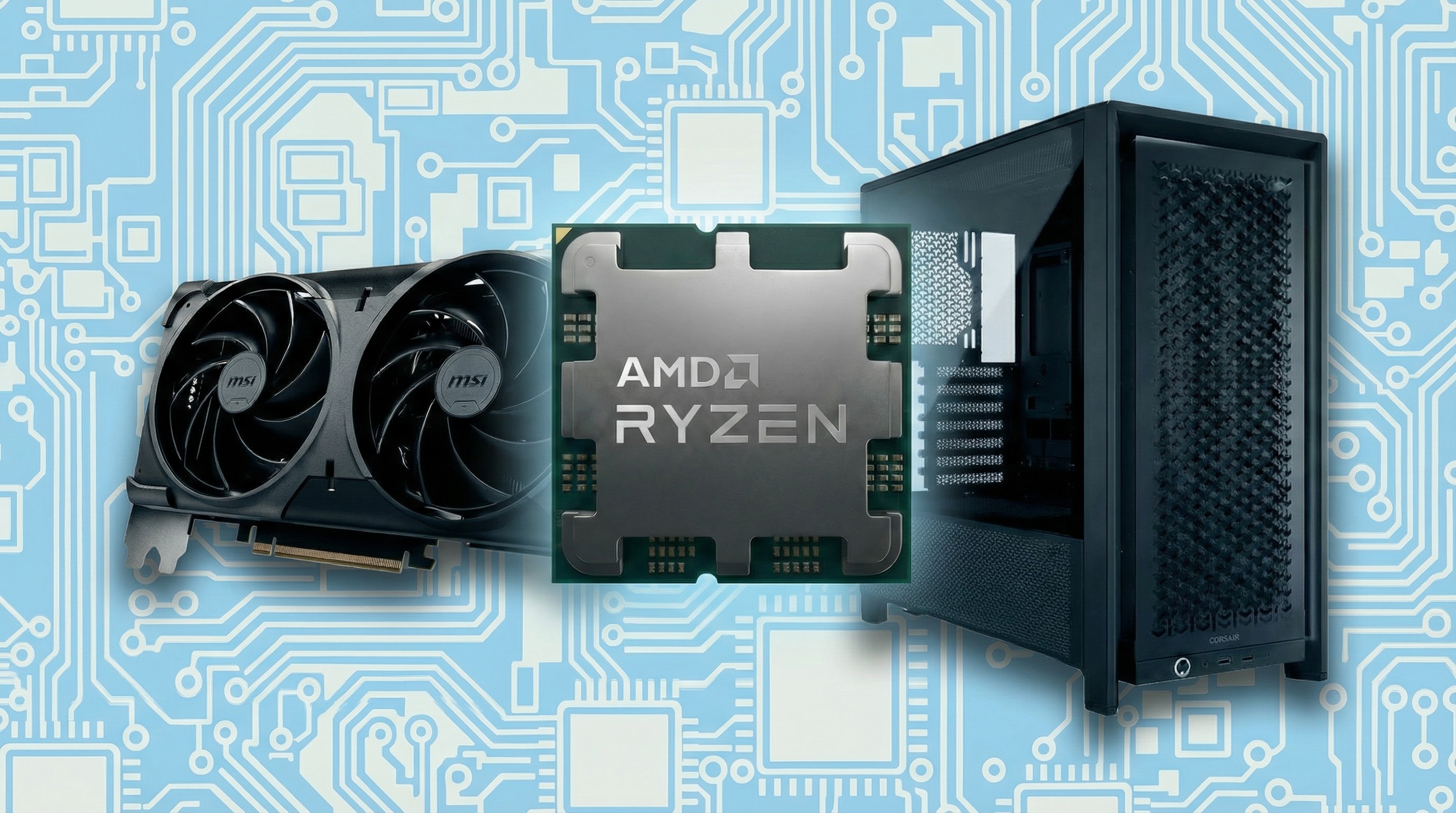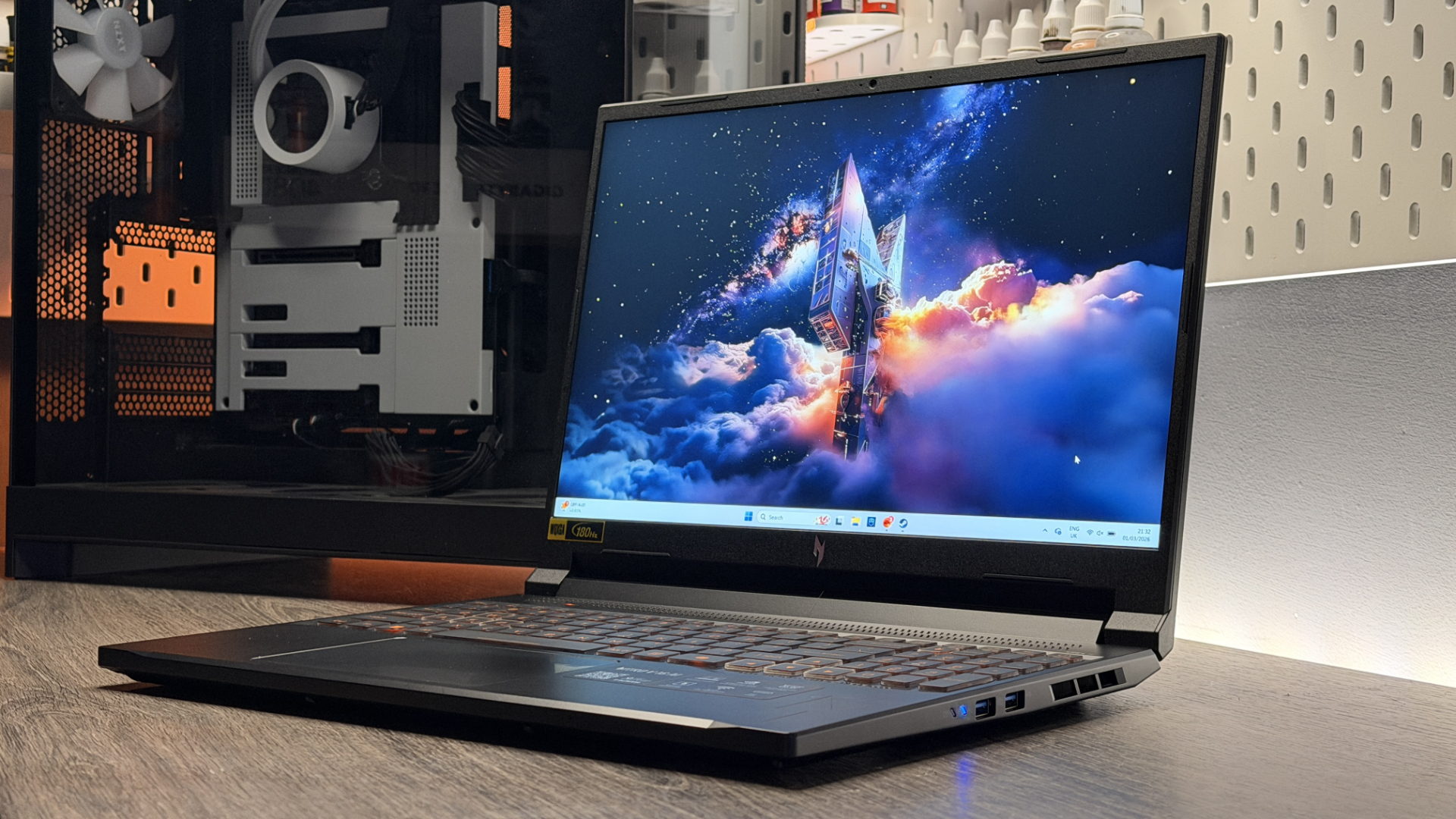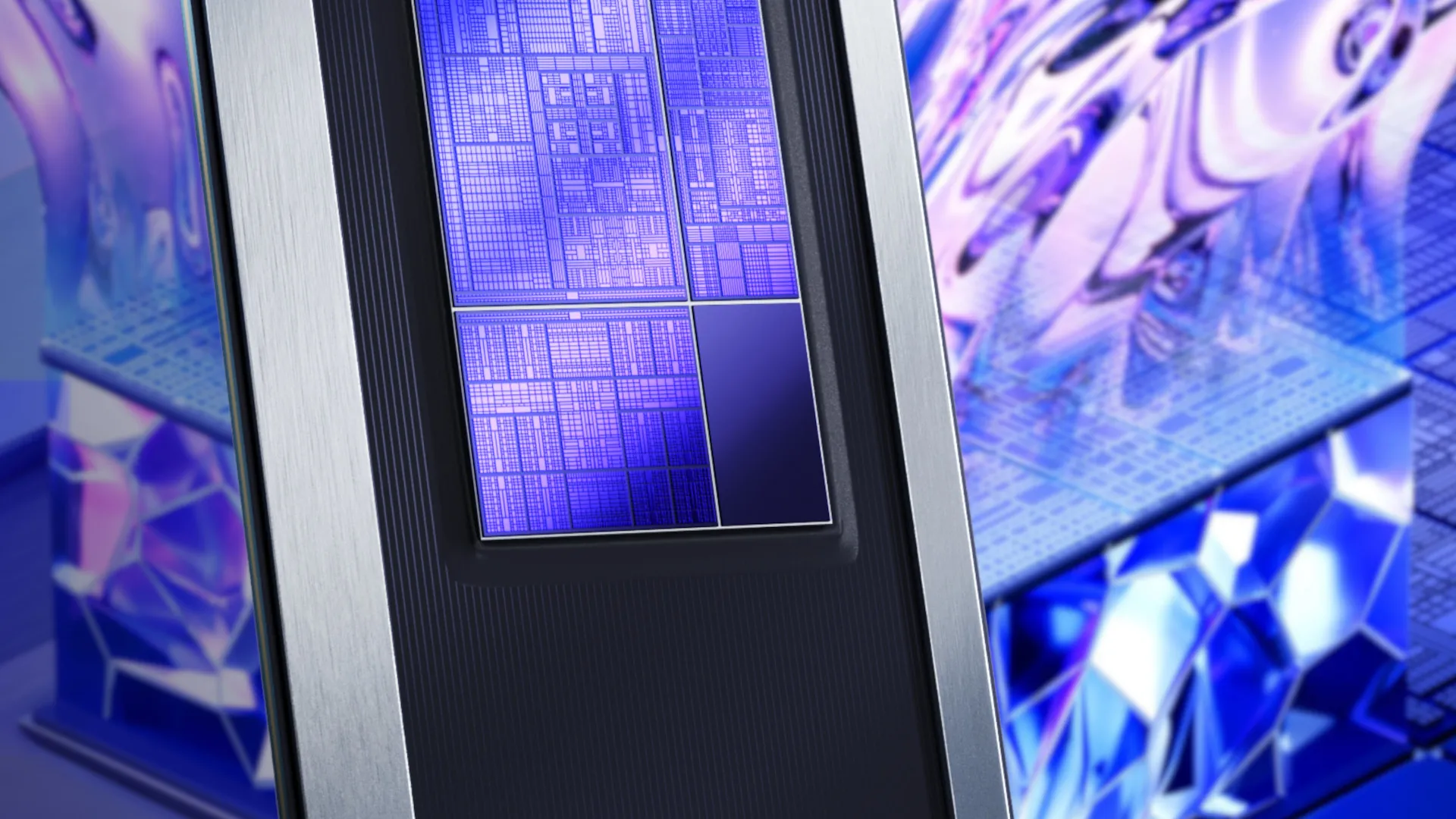
You've read my breakdown on the architecture behind Intel's new Panther Lake processors. You've gone through every graphics benchmark that Andy has done with the range-topping Core Ultra X9 388H. Between the two of them, you've now decided that your next gaming laptop is going to be Panther Lake-powered and sport a big GPU from Nvidia, to go with Intel's big Xe3 tile. You're possibly going to be disappointed, then, to know that you're almost certainly not going to see any such lappies coming to market.
The reason why is quite simple: it all comes down to the number of available PCIe lanes in the platform controller tile. Intel has two variants of this chiplet: one with 12 lanes (four are Gen 5, eight are Gen 4) and the other with 20 lanes (eight Gen 4, twelve Gen 5). The important thing, though, is that every Core Ultra 300-series processor that has the big 12-core Xe3 iGPU uses the 12-lane platform controller tile.
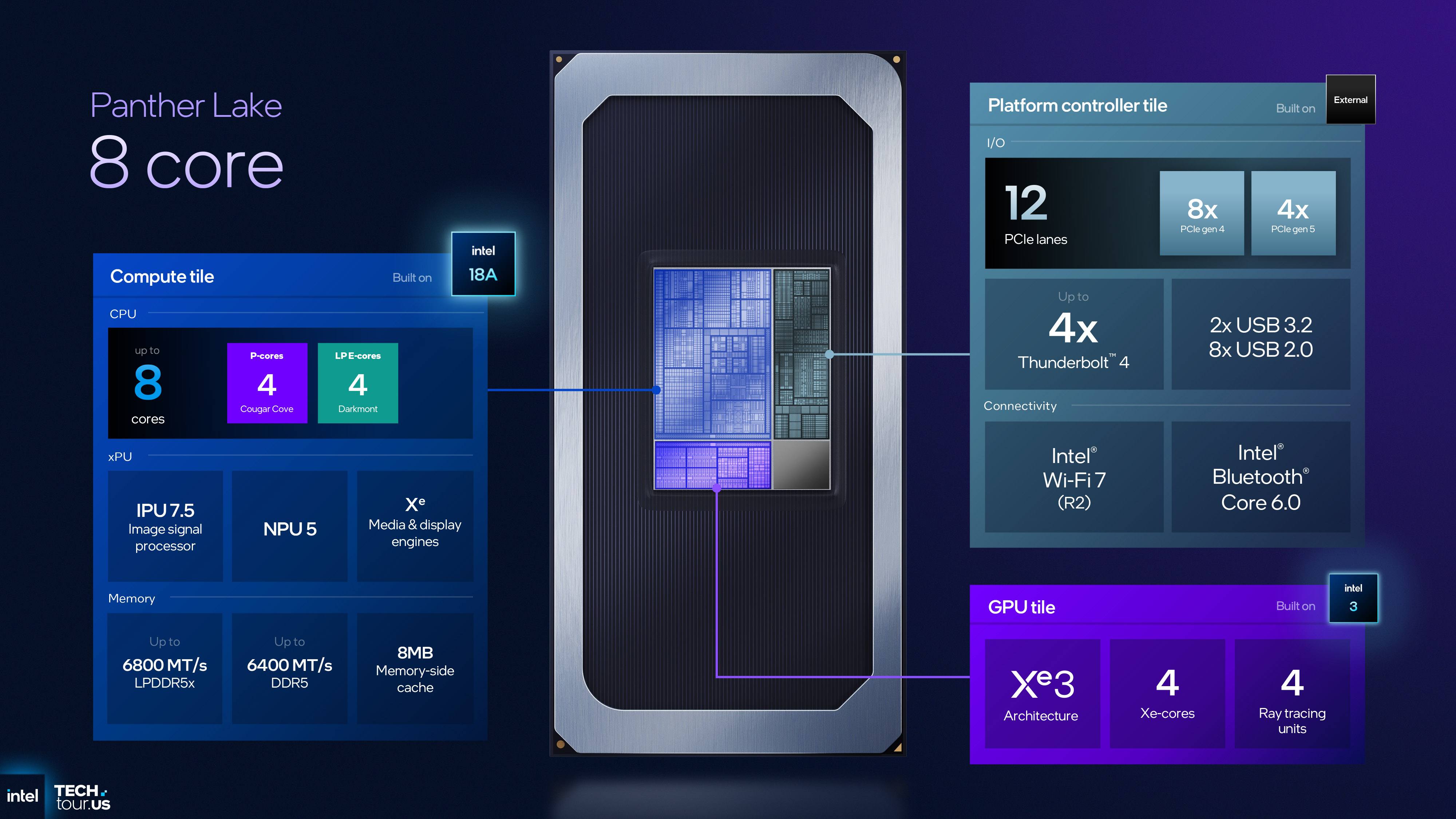
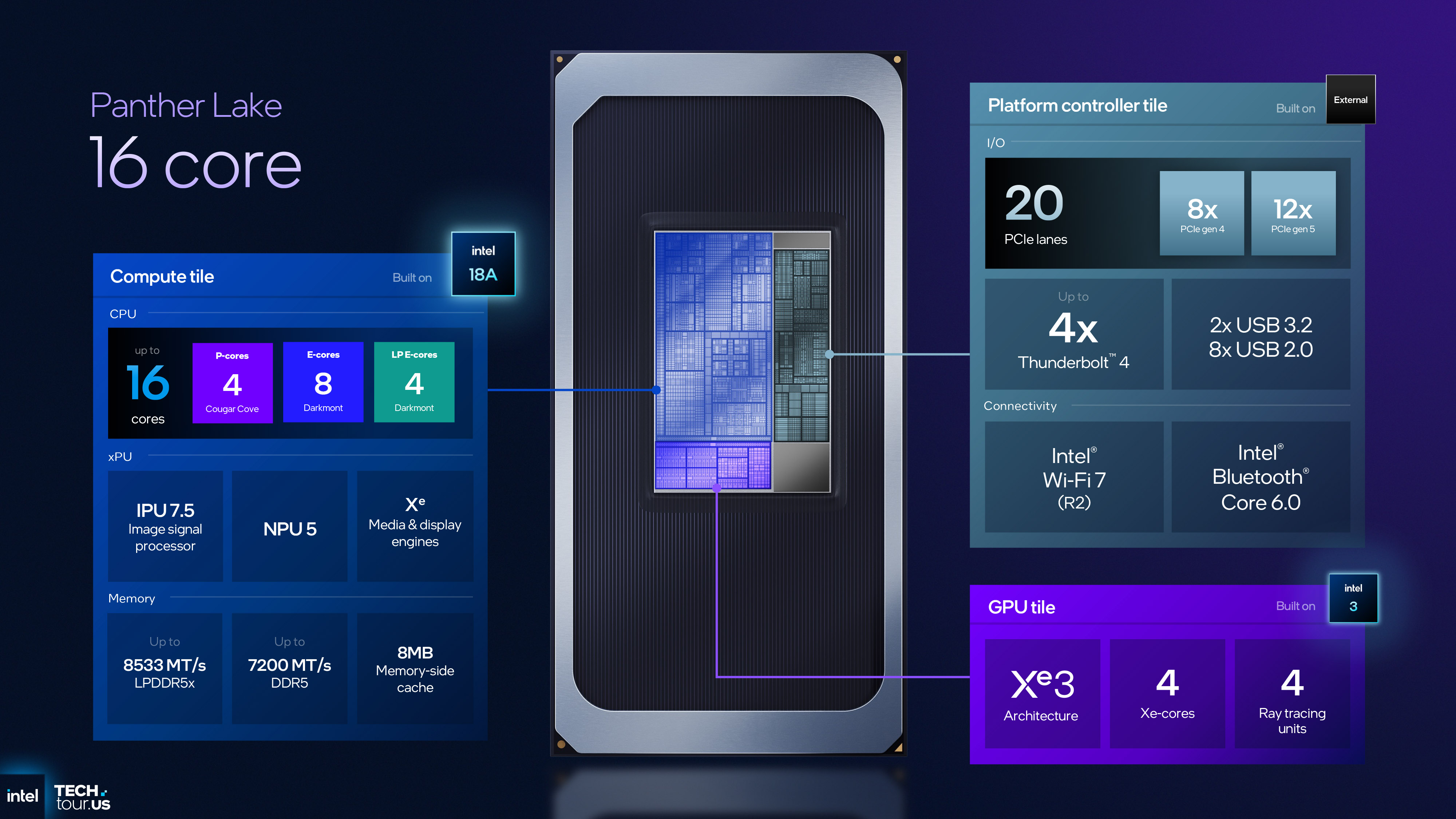
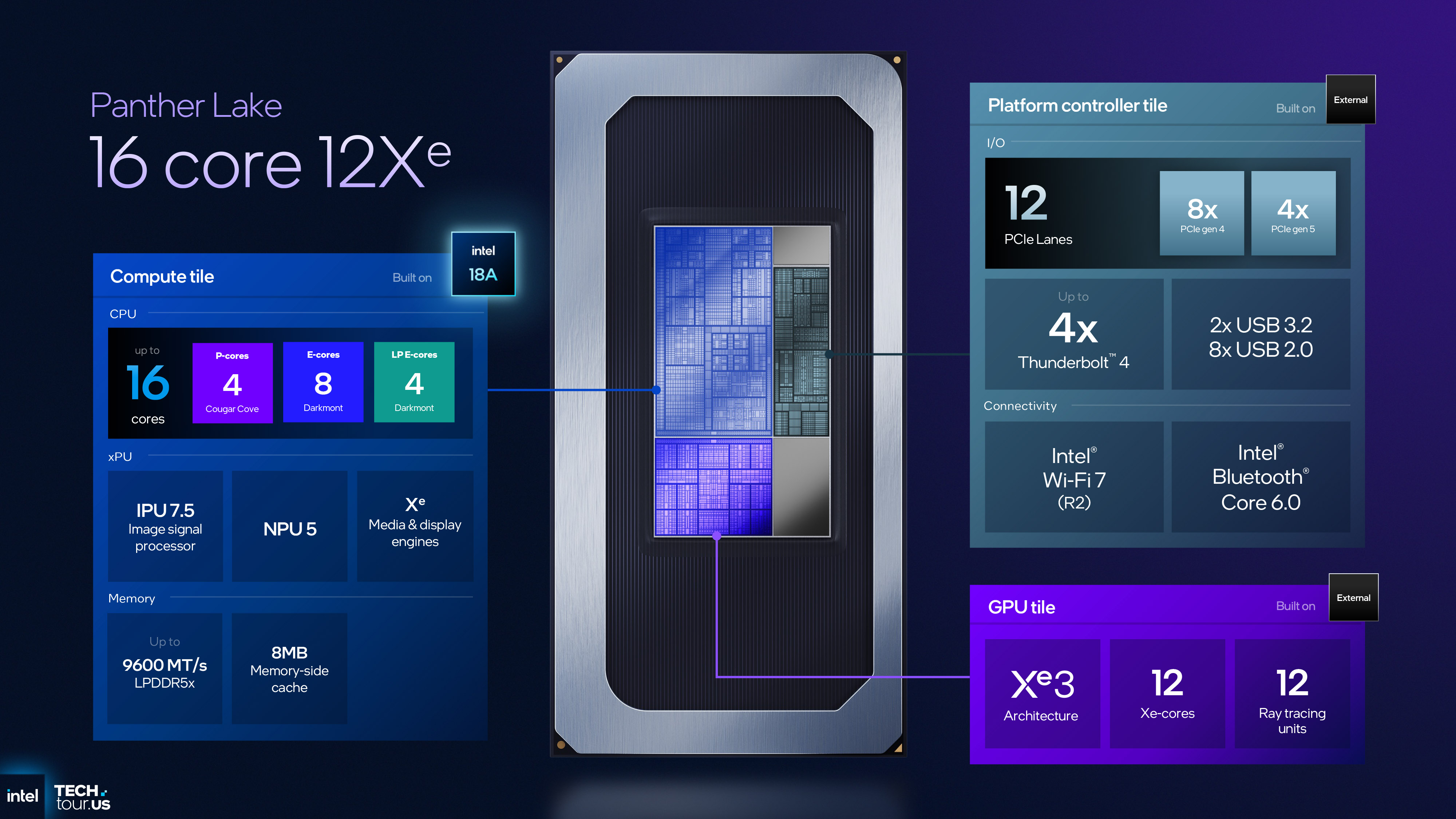
However, Panther Lake does offer quite a bit of flexibility when it comes to the configuration of the 12 PCIe lanes in the Core Ultra X9 388H. The four Gen 5 can be used as x4 or two lots of x2. Those eight Gen 4 lanes are actually two bundles of four, and each of those can be set up as one x4, two x2, or four x1.
Which means, theoretically, one could have a dGPU using the four Gen 5 lanes, and then having the M.2 slots and Thunderbolt ports just get by with two lanes. But that's far too messy to be dealing with, when a laptop manufacturer can just go with a 4-core Xe3 PTL processor, a discrete GPU, and still have plenty of lanes left over.
I think Intel has missed a trick here. If it used the 20 PCIe lane platform controller tile across all Panther Lake SKUs, then these pocket rockets would be on par with the obvious competition: AMD's Ryzen AI 300 and 400-series.
These all sport an iGPU of varying sizes and are happy to be paired with a discrete graphics chip. Leaving Strix Halo aside for the moment, the top-of-the-pack Ryzen AI 9 HX 475 has a Radeon 890M iGPU, with 16 RDNA 3.5 compute units, roughly 33% fewer shaders than the 12-core Xe3 tile, and it sports 16 Gen 4 PCIe lanes.

Eight of those will be taken up by a dGPU, of course, but that still leaves plenty of lanes left over for two M.2 slots. Since the APU itself natively hosts two USB4 ports, you don't need to worry about having some spare lanes to attach fast peripherals.
Admittedly, with every gaming laptop I've ever used, I've never once felt the need to use the iGPU if it had a decent dGPU. Some laptops will switch between the two to save power in desktop mode, but you don't need a 12-core Xe3 iGPU to watch a movie or do battle with a large spreadsheet.
So while a daring laptop manufacturer could shoehorn a Core Ultra X9 388H together with a mobile RTX 5080, you're probably just going to see a horde of 'little Xe3' variants instead. When AMD is able to offer you the best of both worlds, it's a shame that Intel can't or won't as well.
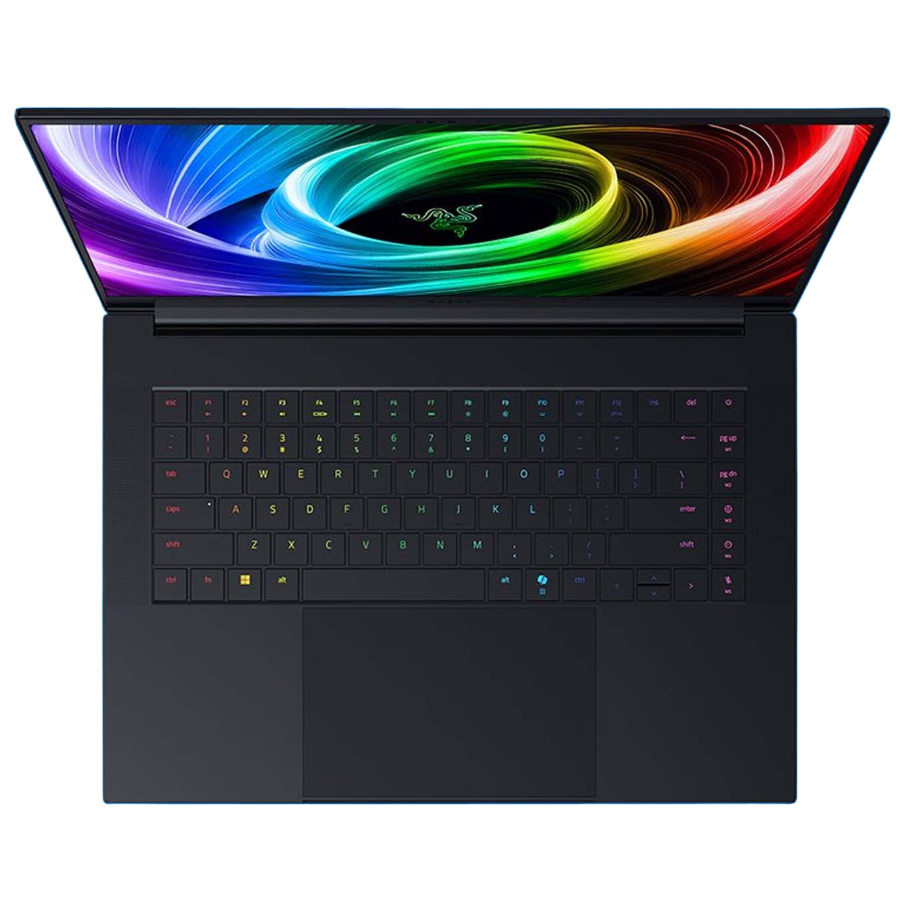
1. Best overall:
Razer Blade 16 (2025)
2. Best budget:
Lenovo LOQ 15 Gen 10
3. Best 14-inch:
Razer Blade 14 (2025)
4. Best mid-range:
MSI Vector 16 HX AI
5. Best high-performance:
Lenovo Legion Pro 7i Gen 10
6. Best 18-inch:
Alienware 18 Area-51

You must confirm your public display name before commenting
Please logout and then login again, you will then be prompted to enter your display name.