


Microsoft: The good, the bad, and the ugly
Microsoft has made many successful products over the years, but unfortunately they’ve also made a lot of mistakes as well. With Windows 8.1 coming out on the horizon, we’ve decided to compile a list of the company's five biggest successes and blunders.
The chronological list starts off with Microsoft's five greatest successes and is followed by its worst failings. How many of the products below have you used? Let us know in the comments!
Microsoft Successes: The following five slides show Microsoft's greatest successes.

Microsoft Office: Microsoft’s greatest monopoly when it comes to software aside from its operating systems is with its stranglehold on the word processing market. Businesses both large and small benefited from the software suite as it gave them a set of tools to help streamline word processing, spreadsheets, and presentation documents.


Windows XP: While Windows XP is 11 years old, it's still one of the most popular operating systems today with almost 40 percent of the Windows market still using it. XP was so awesome that when Windows Vista launched, people were actually reverting back to XP in droves (More on Vista's failings later).


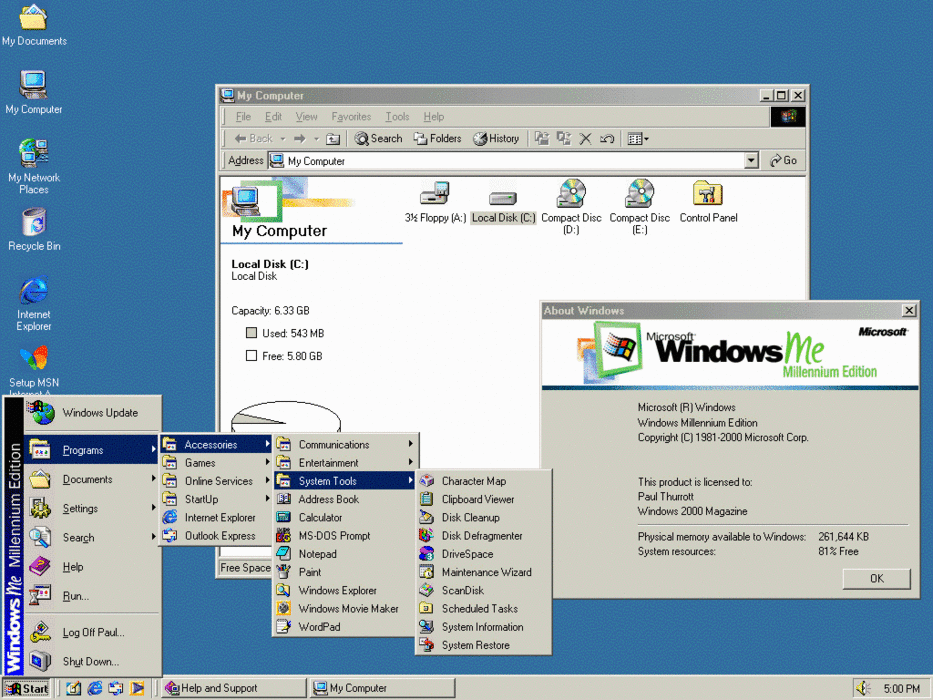
Windows ME: Windows ME is the operating system that Microsoft doesn't want you to remember. It was rushed to the market and, as a result, only lasted a little over a year. The OS was plagued with incompatibilities, buggy, slow, and unstable...basically everything you don't want from your operating system.

Windows Vista: Remember Windows Mojave? If not, it was Microsoft’s try-hard advertising campaign for Windows Vista that tried to convince consumers that the OS wasn't deserving of its horrendous criticism. The marketing failed to ring true when users found out the OS was very invasive with its DRM measures and that it was a performance hog that ate up RAM and CPU resources like none other.


Games for Windows Live: Draconian in nature, GFWL limited the amount of times players could install their games. The service also required users to authenticate their games, which could take painfully long. Users who purchased legitimate Steam copies of games like GTA IV also had trouble activating their CD keys through the service. What this meant was that while pirates were pirating, legitimate customers were being treated like second-class gaming citizens.

Surface RT: While it may be a bit early to call this a misstep, Microsoft’s in house ARM-based tablet has failed to fly off the shelves. To top it off, the device is seeing a very high return rate, which could be due to the fact that it does not support Windows legacy software. To make matters worse, almost every PC OEM has jump shipped from the platform.
