You are now subscribed
Your newsletter sign-up was successful
Want to add more newsletters?

Every Friday
GamesRadar+
Your weekly update on everything you could ever want to know about the games you already love, games we know you're going to love in the near future, and tales from the communities that surround them.

Every Thursday
GTA 6 O'clock
Our special GTA 6 newsletter, with breaking news, insider info, and rumor analysis from the award-winning GTA 6 O'clock experts.

Every Friday
Knowledge
From the creators of Edge: A weekly videogame industry newsletter with analysis from expert writers, guidance from professionals, and insight into what's on the horizon.

Every Thursday
The Setup
Hardware nerds unite, sign up to our free tech newsletter for a weekly digest of the hottest new tech, the latest gadgets on the test bench, and much more.

Every Wednesday
Switch 2 Spotlight
Sign up to our new Switch 2 newsletter, where we bring you the latest talking points on Nintendo's new console each week, bring you up to date on the news, and recommend what games to play.

Every Saturday
The Watchlist
Subscribe for a weekly digest of the movie and TV news that matters, direct to your inbox. From first-look trailers, interviews, reviews and explainers, we've got you covered.

Once a month
SFX
Get sneak previews, exclusive competitions and details of special events each month!
Internal OpenAI documents predict the AI specialist is set to bleed fully $14 billion in losses for 2026 according to a new report. It's also claimed that OpenAI will continue to make huge losses totalling $44 billion until 2029, when it won't just turn a profit, but will by then be generating Nvidia-style revenues.
A new report from The Information claims to have seen internal OpenAI documents setting out various financial performance projections. That $14 billion loss for 2026 is said to be roughly three times worse than early estimates for 2025.
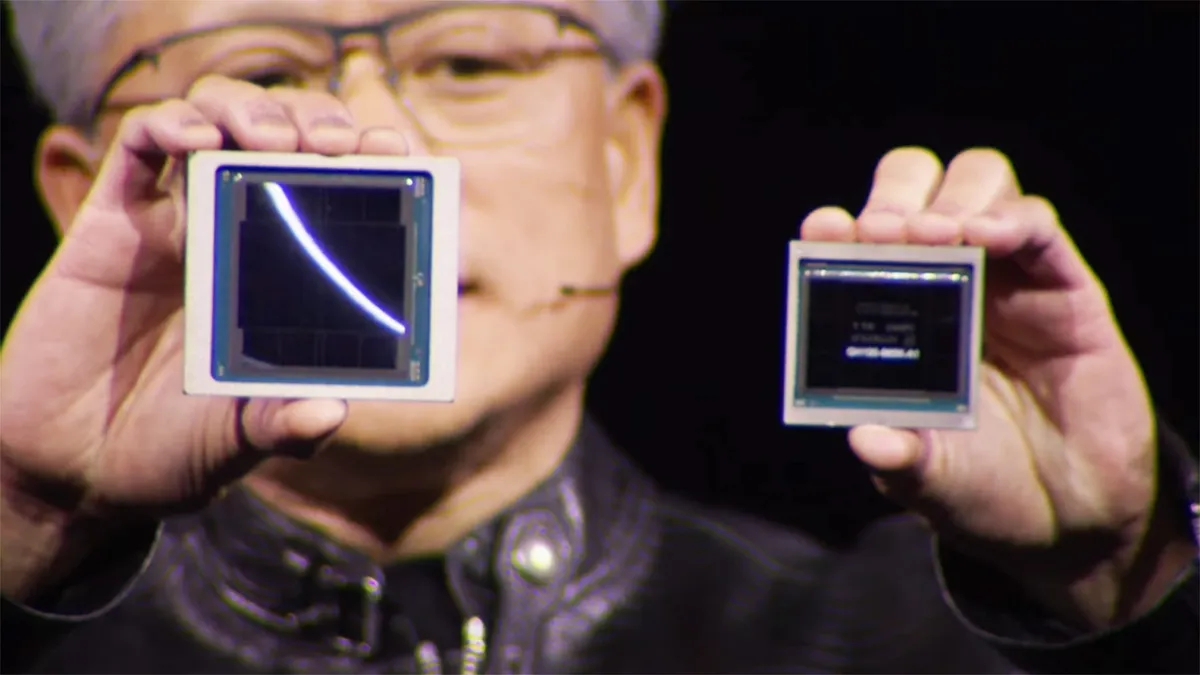
The revenue split for that $100 billion is said to be just over 50% from ChatGPT, roughly 20% from sales of AI models to developers through APIs and another 20% or so from "other products", which include video generation, search and mooted new services including AI research assistants.
It's also thought that the cost of inference, which is running AI models as opposed to training them, is coming down fast. Intriguingly, OpenAI expects to spend less on acquiring training data, too. That's forecast to cost $500 million this year, but taper down to $200 million annually towards the end of the decade.
Exactly what that says about how OpenAI trains its new models and what data it uses isn't clear. But it could suggest a move to more recursive training on AI-generated data.
Anywho, all one can say for sure is that a huge amount of money is involved. Whether OpenAI will come good financially—or for the human race, generally—well, that's a totally different matter.
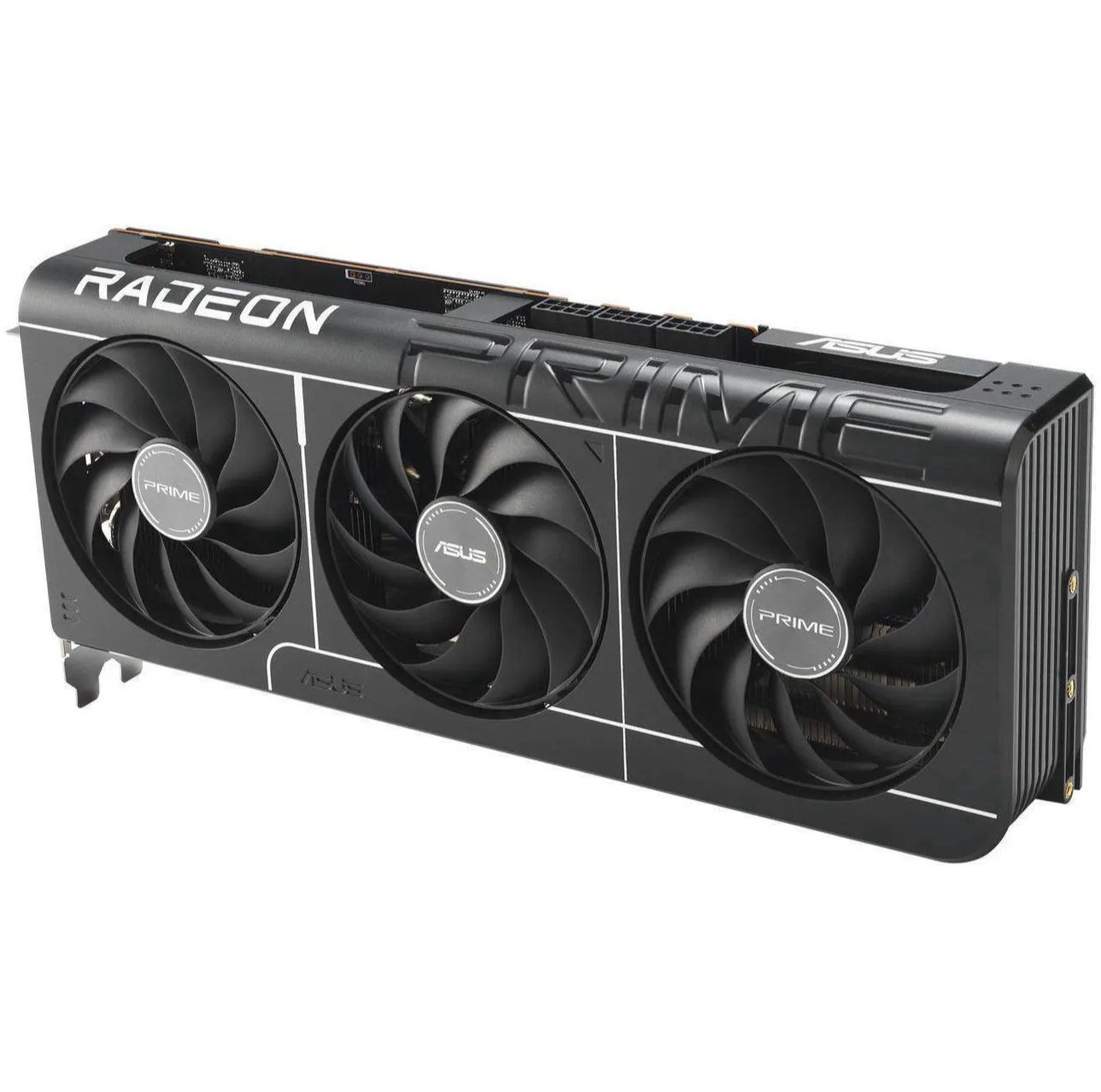
1. Best overall: AMD Radeon RX 9070
2. Best value: AMD Radeon RX 9060 XT 16 GB
3. Best budget: Intel Arc B570
4. Best mid-range: Nvidia GeForce RTX 5070 Ti
5. Best high-end: Nvidia GeForce RTX 5090

You must confirm your public display name before commenting
Please logout and then login again, you will then be prompted to enter your display name.