As AI continues to balloon and pull in even more investment, one of the fiercest debates (other than copyright, ethics, and the environment) is about whether or not it's a bubble. AMD's Lisa Su has weighed in on the debate.
Recently, in an interview with Wired, the AMD chief was asked if she thought AI was a bubble. Her response: “emphatically, from my perspective, no.” Su claims that fears around a potential bubble are "somewhat overstated". Unfortunately, as this is part of the Wired Big Interview series, and the larger interview hasn't been published yet, it's hard to fully surmise where Su's stance lies outside of this answer.
Investment is certainly there when it comes to AI. Nvidia is the first company to have been valued at $5 trillion. Nvidia, in turn, invested $100 billion into OpenAI back in September. In October, AMD signed a multi-year deal with OpenAI, so there's some justification for wishful thinking here. Talking to Wired, Su says, “When I look at the landscape, what keeps me up at night is ‘How do we move faster when it comes to innovation?’”
- The IBM CEO think it's not a bubble but that there will be "some displacement"
- OpenAI's Sam Altman said "when bubbles happen, smart people get overexcited about a kernel of truth" and that "someone is going to lose a phenomenal amount of money"
- A senior market analyst says AI is a bubble 17x higher than the dotcom one
- The head of JP Morgan said the AI bubble will burst and lots of money "will probably be lost"
- Google's CEO said, "No company is going to be immune, including us", if the bubble bursts
- Ex-Intel CEO Pat Gelsinger said, "Of course" we're in an AI bubble
- Michael Burry (the guy The Big Short was about) has bet $1B against Nvidia and AI specialist Palantir
A common argument, regardless of whether people think AI is a bubble or not, is that many companies will be disrupted due to the gold rush that has happened with the technology. As the IBM CEO puts it, "maybe two or three" of every ten companies might achieve what they want to with AI, and the rest will have to stomach losses made in the process.

Nvidia is one of the companies that has benefited the most from the AI boom, with stock prices rising from around $3 in 2019 to over $180 at the time of writing. However, AMD has also had a boom, with stock prices rising from $30-40 in 2019 to around $215.
But a bubble isn't just when companies have major booms: it's when companies have major booms and the asset value doesn't align with legitimate value. Whether or not AI is a bubble will be partially dependent on whether AI companies can actually match the potential they're selling consumers. Another factor is whether wider adoption is possible long-term.
AI is such an all-encompassing force that even the US and UK governments have come out in favour of it, though Sam Altman claims he's not looking for a government bailout if things go bad. While the whole idea of an AI bubble is still up for debate, most seem to agree that only a few can win, and one just has to hope major governments are on the winners' podium.
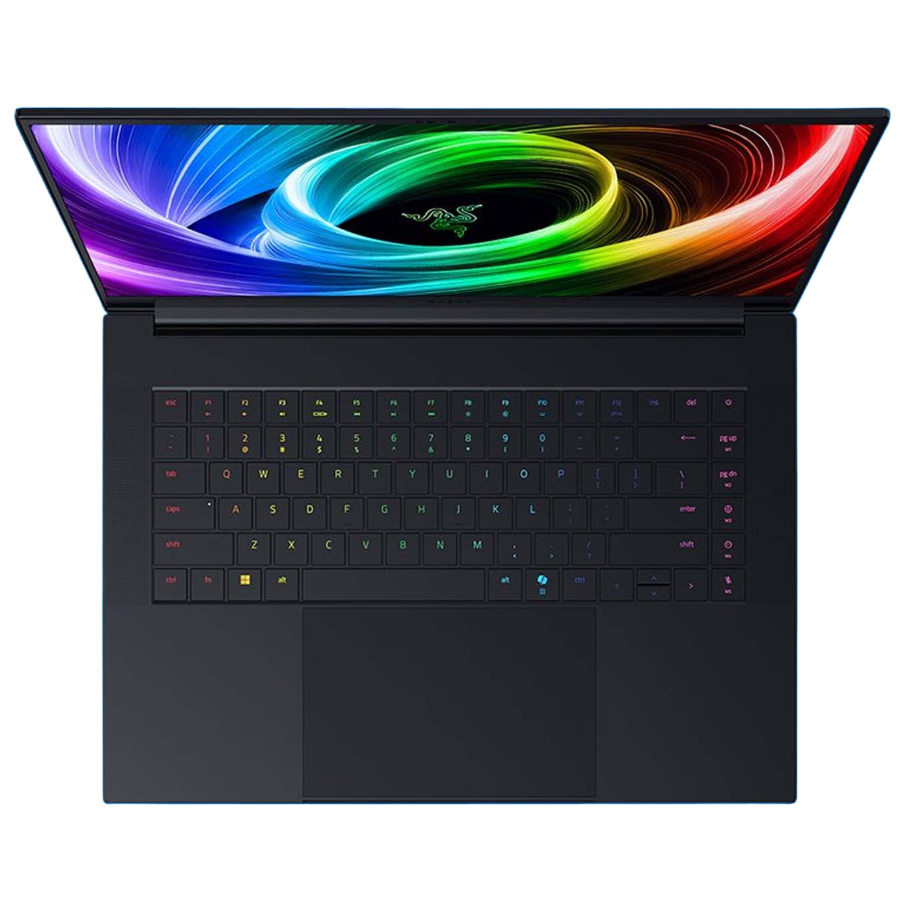
1. Best gaming laptop: Razer Blade 16
2. Best gaming PC: HP Omen 35L
3. Best handheld gaming PC: Lenovo Legion Go S SteamOS ed.
4. Best mini PC: Minisforum AtomMan G7 PT
5. Best VR headset: Meta Quest 3

You must confirm your public display name before commenting
Please logout and then login again, you will then be prompted to enter your display name.