Join The Club





Update 27 Feb: With impeccable timing, Asus has just released a new GPU driver for the ROG Ally and ROG Ally X. At the time of this update, Asus Armoury Crate doesn't offer the new driver, so you will need to manually download and install it. However, it's worth noting that they do nothing to improve the performance of Resident Evil Requiem.
If you own a handheld gaming PC that's powered by an AMD Ryzen Z1 or Z1 Extreme processor, like the Asus ROG Ally, you may have noticed something's missing. Not a feature or application, but any kind of driver update for the integrated GPU within the last six months. Paired with the fact that Resident Evil Requiem barely runs on the Ally, the rumour that AMD has all but abandoned driver support for its APU seems to have serious weight to it.
At the time, I assumed that the game was too demanding for the 2023 handheld, but our Wes tried it on his Steam Deck while ignoring all the glorious rays in Hawaii, and managed to get an average frame rate of 40 fps quite easily. The Ryzen Z1 Extreme processor in the Ally is significantly more powerful than the AMD semi-custom chip in the Deck, so there's only one explanation for the stark difference in performance: drivers.
The lack of driver updates isn't something that's exclusive to Asus, though, as the Lenovo Legion Go (another Z1 Extreme handheld) hasn't received a fresh GPU driver since September of last year, too. All while Valve has been constantly updating the software for its Steam Deck, frequently integrating all the latest developments in the Mesa driver set.

Now, while the Ally is hardly useless at this point (there are still thousands of games out there it can easily run), there's absolutely no way I'd recommend anyone buy a Ryzen Z1-based handheld now. Sure, no new devices are coming out with that processor, but if you've been eyeballing one that's heavily discounted right now, I strongly suggest that you give it a pass.
What makes the whole matter even worse is that AMD still supports the integrated GPU in its Ryzen 7000-series APUs. The Ryzen Z1 Extreme and Ryzen 7 7840U are essentially the same chip; at the very least, they have identical iGPUs. So the latest Adrenalin Edition 26.2.2 driver set should work on the Ally, right? Except it doesn't, but the drivers don't recognise the Z1.
Topping it all off is the fact that Z1 is used in the Lenovo Legion Go S, but if you get the version that sports SteamOS, then you won't have to rely on AMD for driver updates, because Valve handles it instead.
Stealing a phrase from my boss, it's a complete shitshow. There's absolutely no reason for the Z1's iGPU to be excluded like this. AMD's already done the hard work; the drivers are out in the wild for anyone to use. They just can't because of a few lines of code.
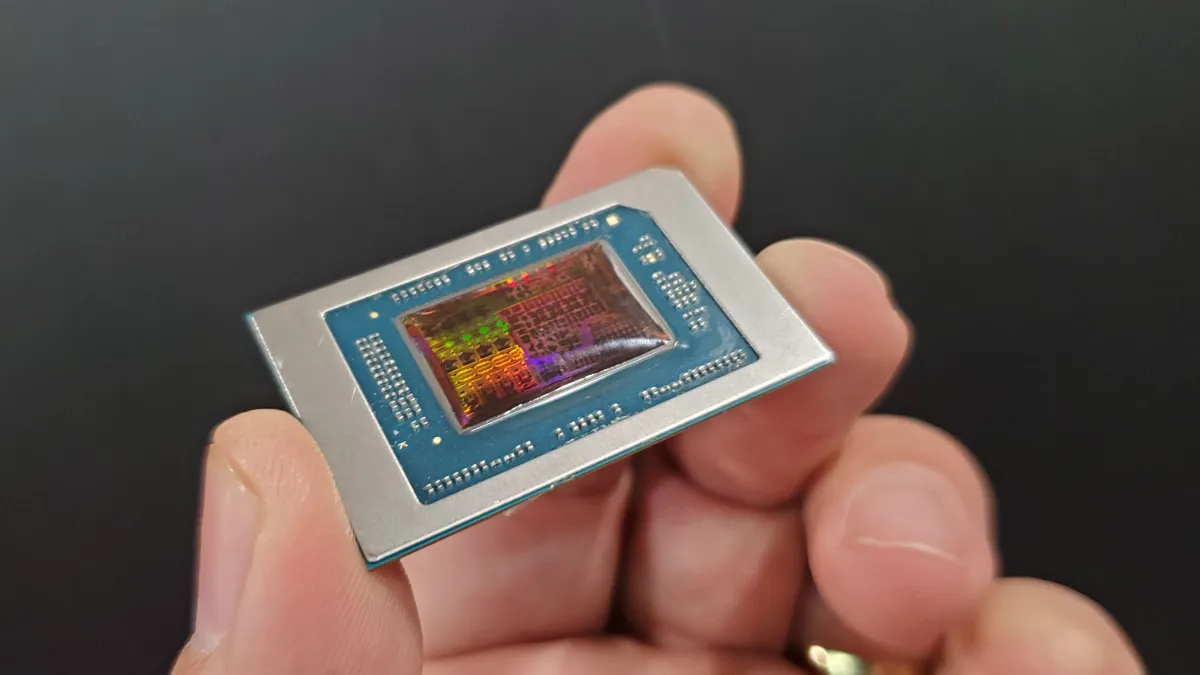
All of this driver malarky makes me wonder as to whether PC gamers should avoid Ryzen Z2 devices as well, because if AMD really has bailed on the Z1 after just a handful of years, what's to say that it won't do the same for the newer chip or any other slightly custom processor it offers hardware vendors in the future?
It would be understandable for something that's completely unique or heavily customised, but the Ryzen Z1 is just an off-the-shelf chip with some bits disabled and tweaked clocks, voltages, and power levels.
Still, one good thing has come from all of this: I know exactly what my next handheld gaming PC is going to be, and that's something that uses SteamOS. If it's got a Z anywhere near its name, and I have to rely on AMD for running the latest games properly, I ain't touching it with a ten-foot barge pole.

1. Best overall:
Lenovo Legion Go S SteamOS
2. Best budget:
Steam Deck
3. Best Windows:
Asus ROG Xbox Ally X
4. Best big screen:
Lenovo Legion Go
5. Best compact:
Ayaneo Flip DS

You must confirm your public display name before commenting
Please logout and then login again, you will then be prompted to enter your display name.