Is the tide finally turning for Intel? After news that the chip maker has convinced Apple to make its "M" branded silicon at Intel's foundry, and data showing that Intel Arc GPUs have established a (tiny) foothold in the graphics market, comes a comment from a leading industry analyst. Patrick Moorehead claims Intel's upcoming next-gen 14A node is the "real deal."
Moorhead is the eponymous boss of Moor Insights and Strategy, a former chip executive and now leading analyst and talking head on countless podcasts and TV news segments.
"From everything I’ve seen—and all the Intel customers I’ve talked to—I’m very confident that Intel will use 18A to successfully produce tens of millions of leading-edge chips in the Panther Lake family and beyond in the near term. I believe 18A can stack up against any production node in its class in the world, so it really is getting Intel back to industry leadership," Moorhead says.
"That’s further toward the horizon for volume production," Moorhead says of 14A. "But it has an increased likelihood of success because of the great work already done on 18A and 18A-P. Intel customers I’ve talked with who have seen this one say that 14A is the real deal."

Intel itself has shifted emphasis in recent months away from 18A and toward 14A in terms of its customer foundry business. That's the new arm of Intel the company hopes will produce chips for customers, just like Taiwanese mega foundry TSMC.
CEO Lip Bu Tan has even implied that 14A is now the node that everything hinges on. "If we are unable to secure a significant external customer and meet important customer milestones for Intel 14A, we face the prospect that it will not be economical to develop and manufacture Intel 14A and successor leading-edge nodes on a go-forward basis.
"In such event, we may pause or discontinue our pursuit of Intel 14A and successor nodes and various of our manufacturing expansion projects," Tan said in July.
Well, on the strength of this latest report, it's presumably all steam ahead with 14A. Of course, Intel still has plenty to prove. It seems like years since we were told Intel would be returning to technological leadership with its chip manufacturing. Actually, it has been years.
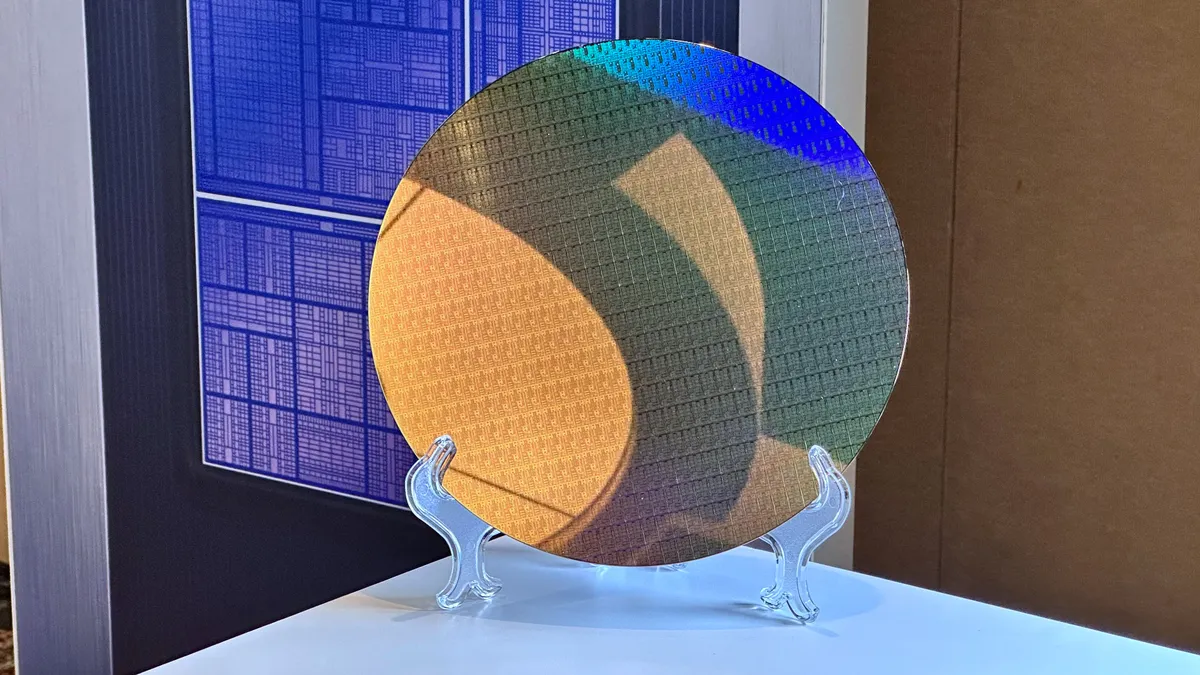
In theory, that wait ends early next year. Moorhead also said, "I believe 18A can stack up against any production node in its class in the world, so it really is getting Intel back to industry leadership."
If Intel really can turn things around, it will be one of the great corporate comebacks. So, pencil "Intel is back" into your diaries for January and pull up a chair for the first episode. Whatever happens in this saga, it surely won't be dull.
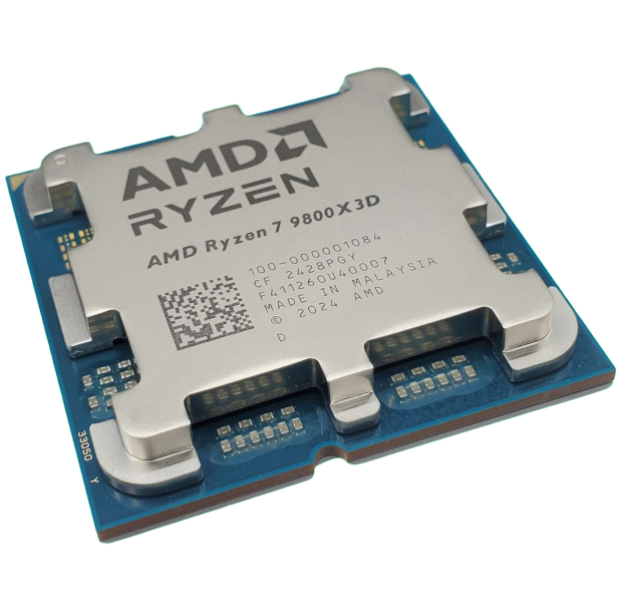
1. Best overall:
AMD Ryzen 7 9800X3D
2. Best budget:
AMD Ryzen 5 7600X
3. Best mid-range:
AMD Ryzen 7 9700X
4. Best high-end:
AMD Ryzen 9 9950X3D
5. Best AM4 upgrade:
AMD Ryzen 7 5700X3D
6. Best CPU graphics:
AMD Ryzen 7 8700G

You must confirm your public display name before commenting
Please logout and then login again, you will then be prompted to enter your display name.