You are now subscribed
Your newsletter sign-up was successful
Want to add more newsletters?

Every Friday
GamesRadar+
Your weekly update on everything you could ever want to know about the games you already love, games we know you're going to love in the near future, and tales from the communities that surround them.

Every Thursday
GTA 6 O'clock
Our special GTA 6 newsletter, with breaking news, insider info, and rumor analysis from the award-winning GTA 6 O'clock experts.

Every Friday
Knowledge
From the creators of Edge: A weekly videogame industry newsletter with analysis from expert writers, guidance from professionals, and insight into what's on the horizon.

Every Thursday
The Setup
Hardware nerds unite, sign up to our free tech newsletter for a weekly digest of the hottest new tech, the latest gadgets on the test bench, and much more.

Every Wednesday
Switch 2 Spotlight
Sign up to our new Switch 2 newsletter, where we bring you the latest talking points on Nintendo's new console each week, bring you up to date on the news, and recommend what games to play.

Every Saturday
The Watchlist
Subscribe for a weekly digest of the movie and TV news that matters, direct to your inbox. From first-look trailers, interviews, reviews and explainers, we've got you covered.

Once a month
SFX
Get sneak previews, exclusive competitions and details of special events each month!
Nothing lasts forever, especially when it comes to PC hardware. Even if the devices continue to work for decades, at some point, the manufacturer will pull the plug on supporting them. In the case of Intel's 12th Gen Core processors, the end officially started at the beginning of 2026, with January 22, 2027 being the final date for the shipment of any 12th Gen chips.
The fact that I am only writing about this now suggests that PC enthusiasts are perhaps not all that interested in these CPUs, but they should be and for good reasons. First of all, the Alder Lake architecture marked Intel's first attempt at implementing a hybrid core design in desktop processors (it had done so previously with mobile-only Lakefield in 2020).
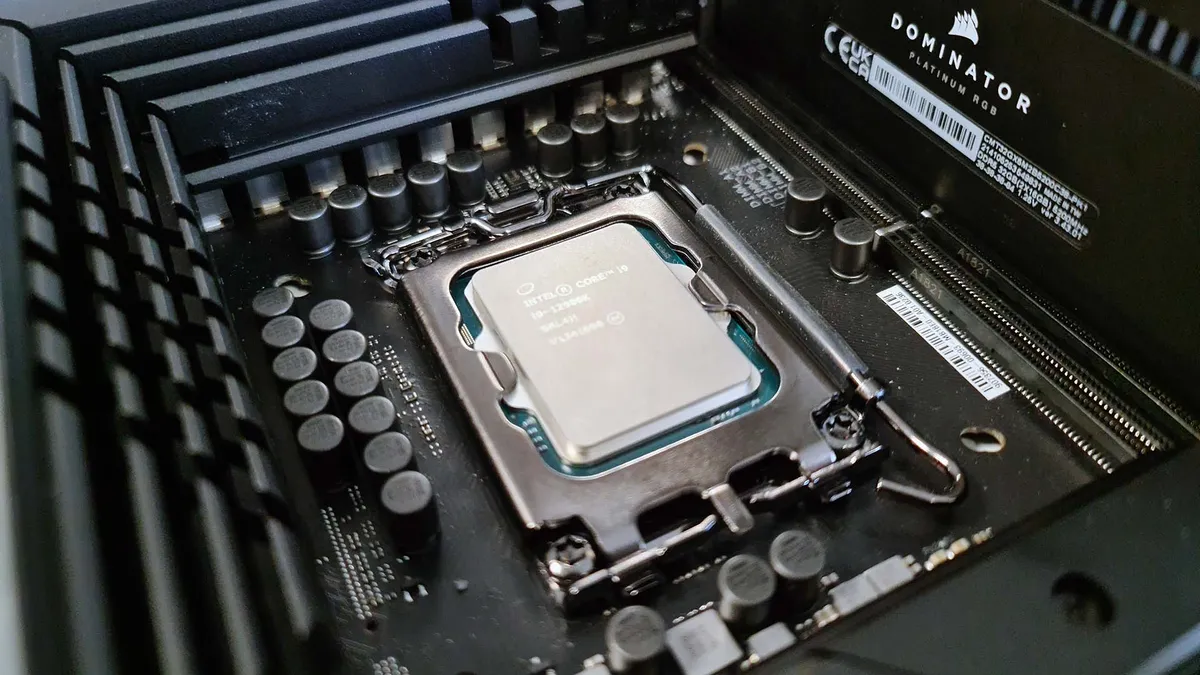
Something else that's worth mentioning is the fact that Alder Lake processors have memory controllers that support DDR4 and DDR5. While gaming motherboards that support this chip (i.e. LGA 1700 socket boards) only take one type of DRAM, it does mean that if you were looking to upgrade a much older PC to use a second-hand 12th Gen CPU, you wouldn't be forced to pay a fortune for DDR5, as you can use cheaper DDR4 if you find the right motherboard.
The Alder Lake architecture itself hasn't reached end of life just yet, either, as Intel rebranded some 12th Gen chips for its 13th and 14th Gen Core lineup. For example, the brilliant Core i5 13400F is Alder Lake underneath its heatspreader, as is the Core i5 14400. Intel typically rolls out EOL notices for its desktop chips every three years or so (11th Gen was April 2023, 10th Gen around 2020), so these should still be supported for a good while yet.
If you're wondering just what EOL (end of life) means for you, if you have a 12th Gen Core processor, then the main date of significance is July 24, 2026. After that, you will no longer be able to order a replacement, should your chip fail and Intel agrees that it was a faulty product. Other than that, though, everything will carry on as normal.
There are faster and more power-efficient processors available now, but I will always regard Intel's first P-core, E-core desktop CPUs with a touch of fondness. They're very stable now, and if you turn down the power limits, they're ideal for a little home server.
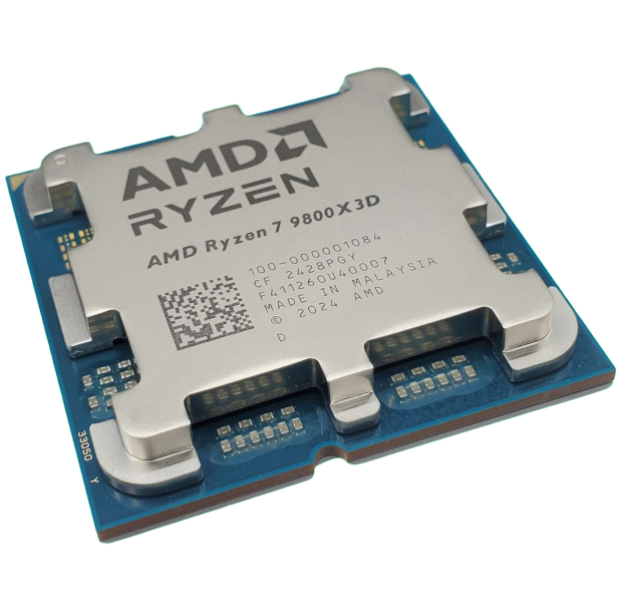
1. Best overall:
AMD Ryzen 7 9800X3D
2. Best budget:
AMD Ryzen 5 7600X
3. Best mid-range:
AMD Ryzen 7 9700X
4. Best high-end:
AMD Ryzen 9 9950X3D
5. Best AM4 upgrade:
AMD Ryzen 7 5700X3D
6. Best CPU graphics:
AMD Ryzen 7 8700G

You must confirm your public display name before commenting
Please logout and then login again, you will then be prompted to enter your display name.