Microsoft releases a list of all the bugs it knows about in Windows 11 every month, and the first of the year reveals over 100 of the pesky lil' guys in the popular operating system.
Microsoft has fixed 112 vulnerabilities in its own services and has flagged a further three in non-Microsoft products. Those products are all linked to Microsoft, like the Windows Motorola Soft Modem Driver or Agere Windows Modem Driver. Usually, the addressing of vulnerabilities can go from an official fix to recommended mitigations, but 111 of those this month have an official fix, with one having a temporary fix.
Security updates for January 2026 are now available. Details are here: https://t.co/WW89TchdN8#PatchTuesday #SecurityUpdateGuide pic.twitter.com/sFxAqWcufQJanuary 13, 2026
Last January saw a vulnerability with a whopping 9.9 CVSS, though that was mitigated by Microsoft before the release went live. It allowed users to bypass authentication in the Azura AI Face service, which could allow an attacker to elevate privileges over a network.
It's worth noting that a high severity score doesn't mean that just anyone can take over your PC tomorrow. Score tends to be a mixture of ease with which a bad actor can exploit it, and the types of privileges that bad actors would be granted from it. You can find vulnerabilities with very high scores that are niche or hard to pull off. For instance, just last week, Asus urged users to update MyAsus because of an 8.5 security vulnerability, as one could inject code without permission, but this required local access.
This is all to say that vulnerabilities, even high-severity ones, are relatively normal. The best thing that can be done is flag them when found and update your software when a company urges you to do so. This is one of the many problems you run into using an out-of-date OS.
As Windows 10 support ended for most people last year, so too did necessary safety updates to mitigate security vulnerabilities—unless you signed up for extended updates. It's a good reminder of how much work goes into security updates and how many we can expect to see Microsoft working on at any one time—and also how many crop up each and every month.
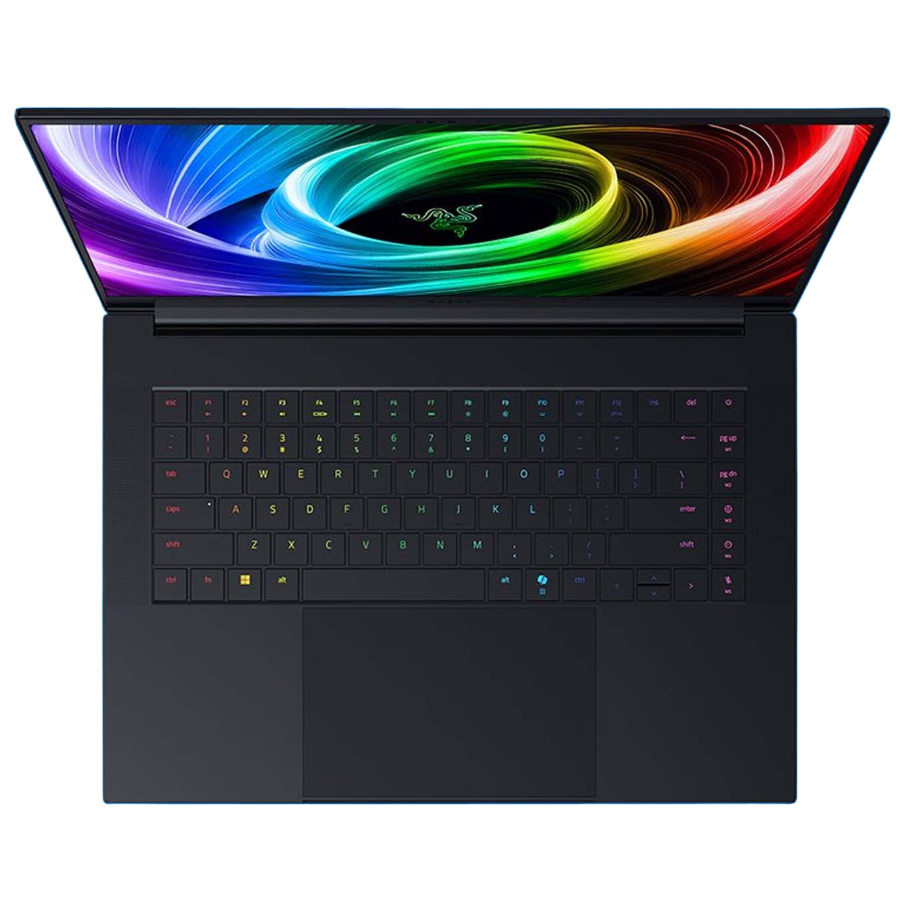
1. Best gaming laptop: Razer Blade 16
2. Best gaming PC: HP Omen 35L
3. Best handheld gaming PC: Lenovo Legion Go S SteamOS ed.
4. Best mini PC: Minisforum AtomMan G7 PT
5. Best VR headset: Meta Quest 3

You must confirm your public display name before commenting
Please logout and then login again, you will then be prompted to enter your display name.