According to a Reuters report, Nvidia has built location verification technology that could indicate which country its chips are operating in, in an effort to prevent its AI GPUs from being smuggled into countries where their export has been banned.
According to its sources, the feature is said to be a software option that taps into the "confidential computing capabilities" of Nvidia's AI GPUs as part of a new service, which would utilise the delay in communicating with Nvidia servers to give a rough idea of which geographic location they were operating from.
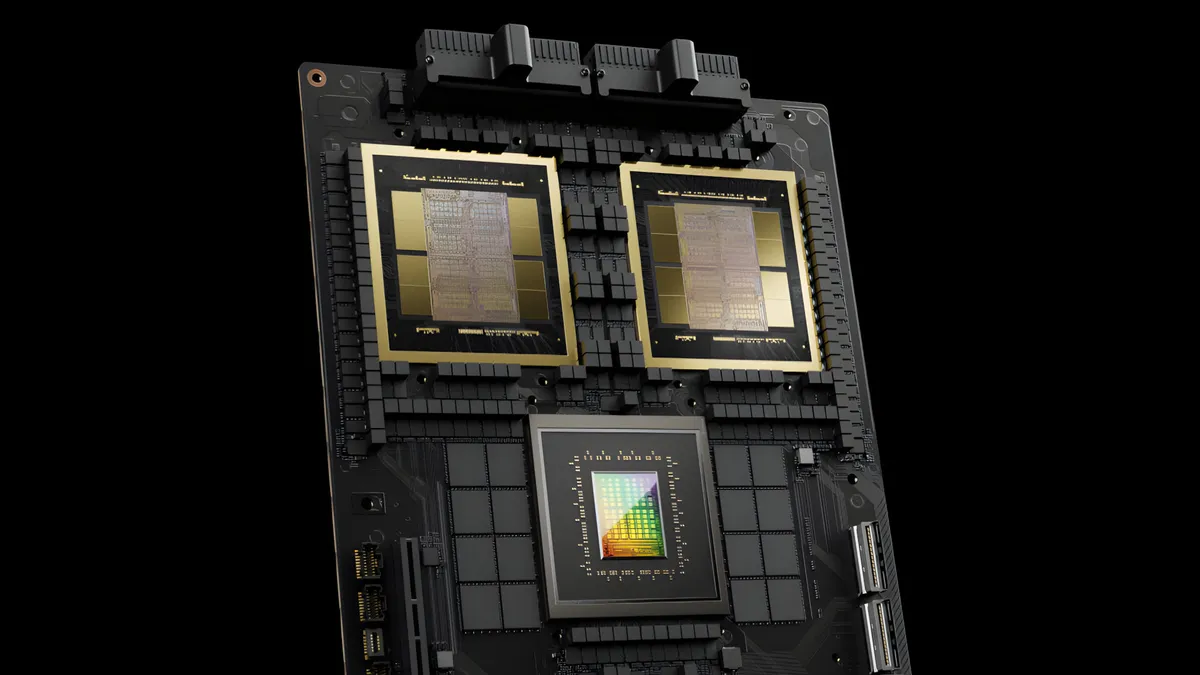
The US DoJ recently announced the shut down of a $160 million smuggling operation involving the illegal export of Nvidia H100 and H200 GPUs to China, and a Financial Times report earlier this year claimed that an alleged $1 billion worth of Nvidia's AI GPUs entered the country during an early three-month phase in the Trump administration.
US president Donald Trump recently announced that Nvidia would be allowed to ship H200 products to "approved customers" in China with an added 25% fee, although H100 GPUs and other high-end AI hardware still appear to be prohibited from export under existing restrictions. Presumably, it would be this restricted hardware that Nvidia would be keen to track, in an effort to appease calls from the Trump administration and US Congress to verify the locations of its AI-crunching products.
Nvidia was summoned by Beijing authorities earlier this year to confirm that its H20 chips did not have backdoors, after the Cyberspace Administration of China raised concerns over potential security risks. At the time, Nvidia's chief security office, David Reber Jr. also stated in a blog post titled "No Backdoors. No Kill Switches. No Spyware" that "There is no such thing as a 'good' secret backdoor—only dangerous vulnerabilities that need to be eliminated."
Whether this location tracking capability would technically count as a backdoor is up for debate, if these sources prove to be correct. Certainly, the tracking described here seems somewhat vague, as it seems unlikely that a lag timer would be able to pinpoint a GPUs location down beyond the country it's located in.
Arguably, any piece of hardware that communicates outwards with a server could potentially be tracked in similar fashion—although it does suggest that Nvidia's chips may be capable of reporting back to the US-based company in a way that the Chinese government may be less than pleased with. Make of that, as they say, as you will.
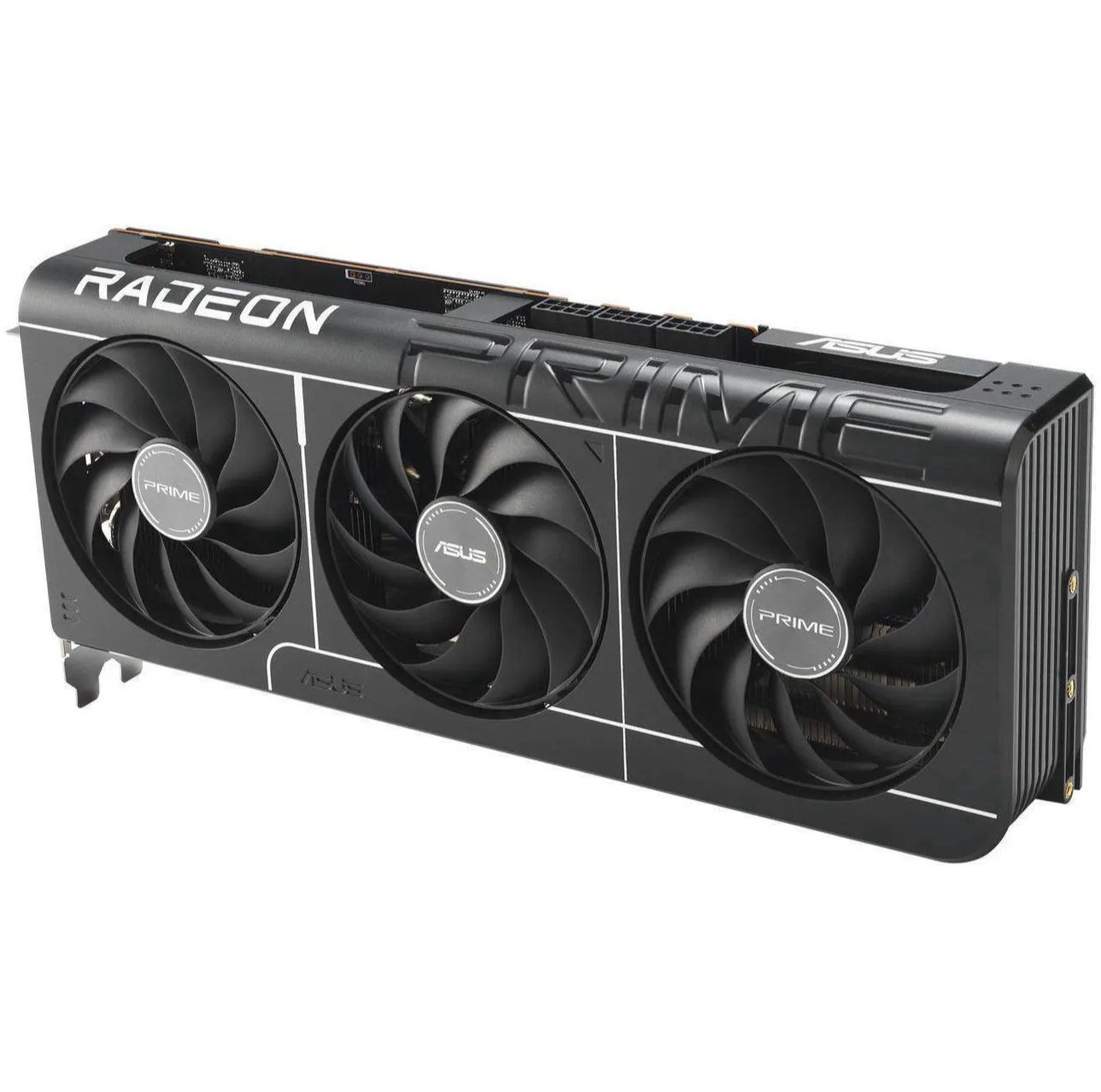
1. Best overall: AMD Radeon RX 9070
2. Best value: AMD Radeon RX 9060 XT 16 GB
3. Best budget: Intel Arc B570
4. Best mid-range: Nvidia GeForce RTX 5070 Ti
5. Best high-end: Nvidia GeForce RTX 5090

You must confirm your public display name before commenting
Please logout and then login again, you will then be prompted to enter your display name.