Even the most casual of PC users will surely know by now that the whole computer market is under considerable pressure from the global shortage of memory. But that's not the only component to experience price rises, and one research report suggests that the combined cost of CPUs, DRAM, and SSDs will climb so high that mainstream laptops could end up becoming 40% more expensive.
The report in question comes from TrendForce, which keeps a very close eye on all things PC component-related, and many of its reports of late have focused on the exponential rise in DRAM and NAND flash prices.
Article continues belowThis is important to note because "Under normal conditions, DRAM and SSD account for roughly 15% of a notebook’s BOM [bill of materials] cost. However, after several quarters of sharp increases in memory prices, that share is projected to exceed 30% in 1Q26."
So if everything does all increase in price, and it certainly looks like it will, then since "CPUs already represent one of the largest cost components in a notebook’s BOM, these increases will further drive up overall system costs. For a $900 notebook, if both memory and CPU prices rise, their combined share of BOM costs could climb from approximately 45% to around 58%.

"These cost pressures could translate into retail price increases approaching 40% higher if brands and distribution partners maintain their existing margins."
The real question to ask here is whether companies such as Dell, HP, Asus, et al. will be willing to accept lower profit margins to ensure that revenue flows will continue. If the answer is no, then the next question is one for you to answer: Would you be willing to pay $1260 for a $900 laptop, or 40% more for any gaming laptop?
Well, if one looks carefully at recent history, it would seem that there are likely to be more people saying yes, rather than no. Take what happened to graphics cards during the Covid pandemic, which skyrocketed in price (and haven't really come back down since), yet GPUs still flew off the shelves in droves.
Of course, there was an important driving force behind that and with lockdown keeping millions of people at home for work and play, desktop and laptop computers sold in vast quantities. That's certainly not the case now, and the general cost of living in many countries has reached a point where spending 40% more on a non-essential item just wouldn't be considered.

PC gaming enthusiasts might, though, given we're already used to paying through the nose to support our painfully pricey hobby, but they could increase in price even further, if Nvidia decides to hike the price of its mobile GPUs.
So while it might seem that memory prices have plateaued of late, TrendForce is suggesting that its findings all point to it being nothing more than the calm before the storm. Let's just hope that its gloomy forecast turns out to be a considerably milder affair.
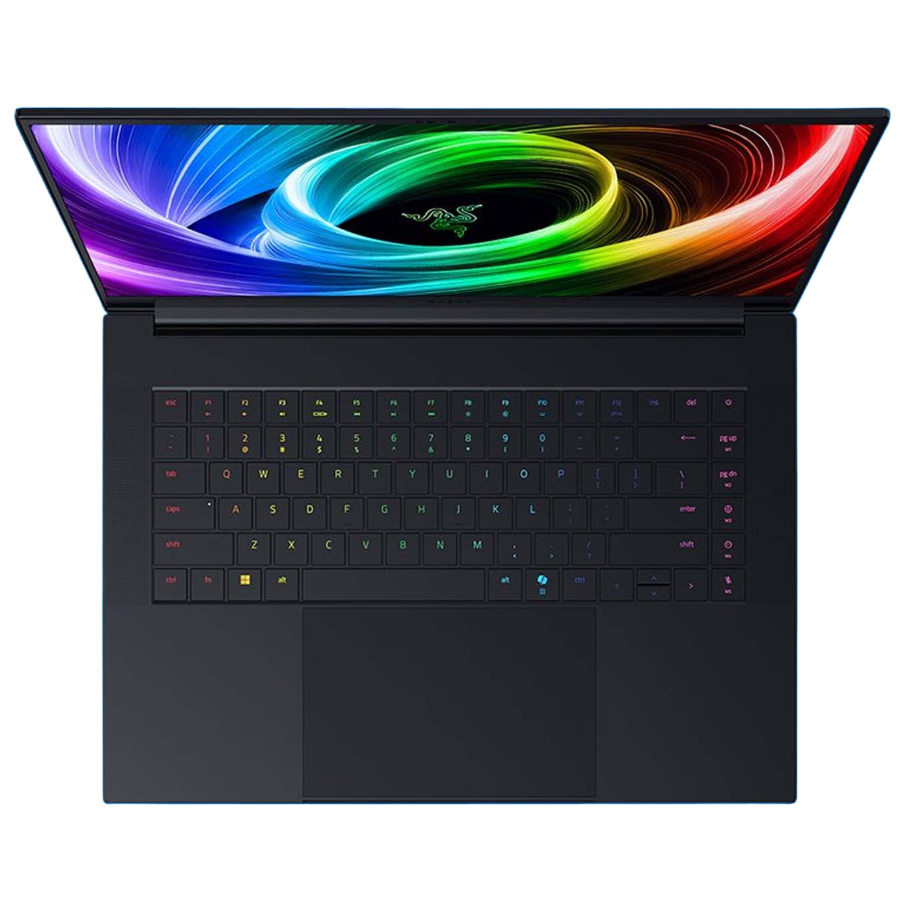
1. Best overall:
Razer Blade 16 (2025)
2. Best budget:
Lenovo LOQ 15 Gen 10
3. Best 14-inch:
Razer Blade 14 (2025)
4. Best mid-range:
MSI Vector 16 HX AI
5. Best high-performance:
Lenovo Legion Pro 7i Gen 10
6. Best 18-inch:
Alienware 18 Area-51

You must confirm your public display name before commenting
Please logout and then login again, you will then be prompted to enter your display name.