Epic Games CEO Tim Sweeney has revealed that Epic will, later this year, release the Unreal Editor for Fortnite. "The full capabilities that you’ve seen [in Unreal Engine] opened up so that anybody can build very high-quality game content and code and deploy it into Fortnite without having to do a deal with us," Sweeney says in a new interview with FastCompany. "It’s open to everybody."
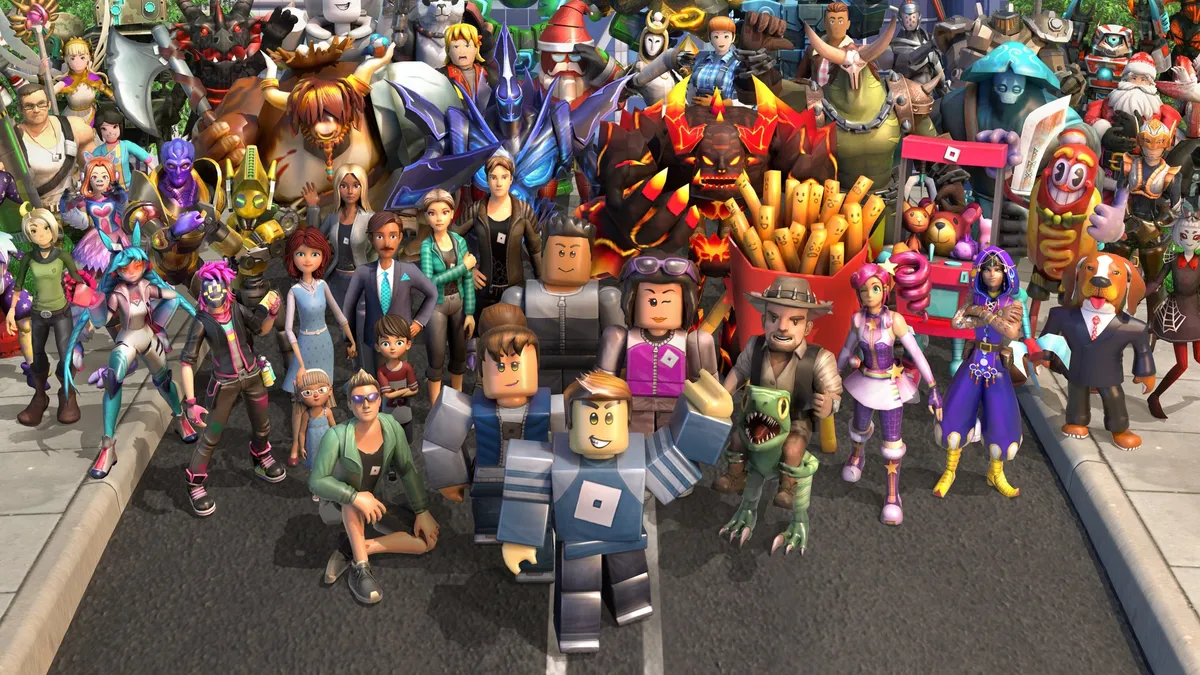
What exactly this means can probably best be summarised as Roblox-ifying the Fortnite creator ecosystem. Sweeney is a big fan of how Roblox operates and, despite it having a lower media profile than Fortnite, it is one of the only real 'metaverse' contenders out there—and its appeal lies almost entirely in user-created content.
"Our aim is to make it a first-class outlet for reaching the consumers, just like you might look at the mobile app stores and consoles and Steam as ways to reach users. Now people are also looking at Fortnite, and at Roblox, as ways of reaching users. Along with that, we’re building an economy, and it will support creators actually building businesses around their work and making increasing amounts of profit from the commerce that arises from people playing their content."
Whether Fortnite will take a different approach to renumerating creators is the interesting part. Sweeney's absolutely outspoken about gatekeepers creaming off large fees, and has certainly put his money where his mouth is (Epic is engaged in various actions against tech giants, all involving antitrust issues about distribution channels). The big criticism of Roblox that really sticks is that it financially exploits creators by keeping a huge chunk of the profits from their work. So a low commission, or even no commission at all, looks like an open goal for Fortnite.

Sweeney truly believes in the metaverse, and don't take my word for it. Last year a court ruled that he really meant all that stuff he said about it in the Epic versus Apple antitrust case: "The Court generally finds Mr. Sweeney’s personal beliefs about the future of the metaverse are sincerely held." When Sweeney's banging on about you ordering a Gucci top after examining it in AR, he means it.
"It’s a shame that the metaverse is so over-hyped right now," says Sweeney. "There’s all this gas and blockchain and this, but you add up the users and we found [there are] about 600 million people playing metaverse types of experiences socially with their friends."
Sweeney's pitch is, essentially, that people are misunderstanding the metaverse. He talks about it in terms of a long and ongoing project that's formed of multiple different strands and open to all companies, without gatekeepers—but is clear-eyed about the fact that it will be a battle to ever realise that.
"That’s the big focus of worldwide antitrust efforts–ensuring each market participant can compete fairly in their market without monopoly ties," says Sweeney. "That’s going to open the path to the open metaverse. Without that, even if you did build the open metaverse, Apple and Google would still end up dictating all the terms to everybody.
"I think it’s not just the foremost economic issue and the world economy now, I also think you can’t have a free world if you don’t have freedom online and freedom on platforms. If you have two corporations controlling all world discourse and kowtowing to governments–especially oppressive governments–to act as agents on their behalf and spy on users and sources of opinion and dissent, then I think the world you end up with isn’t one we’d want to live in. I think it would be quite a horrible place. So, I think it’s a first-class social issue that we don’t let any of these giant mega-corporations control online commerce, discourse, and control the metaverse. Really."
The full interview is well worth a read: you can say what you like about Sweeney, but he's more upfront than most big tech CEOs and clearly believes what he's saying. He's also honest about the fact that certain ideas, like universal ownership of avatars, might be awesome but remain complete pipe dreams.
"Unfortunately right now [crypto is] bundled up with a lot of speculation and a lot of outright scams," says Sweeney. "And a lot of efforts are scammy by construction in that the thing they’re pursuing doesn’t achieve a plausible version of the stated goals. You know, like the blockchain avatar economies for example, there are a bunch of companies aspiring to make avatars that you universally own, but none of them I’ve found, not a single one, has actually made any effort to foster actual adoption of these avatars by any actual games or ecosystems. They just want to build this thing and sell people avatars, but they’re completely useless in practice.
"I firmly believe there’s going to be a multi-trillion dollar economy around digital goods in the future. But I think so much of the crypto currency effort, especially touching the gaming space, doesn’t address that problem of utility. They’re showing you digital goods you can’t do anything with except to say that you own it. You can cryptographically prove that you own it, but who cares?"
It's a good point, because not a single game company has yet come up with a good answer to that question. Despite this, Sweeney thinks the tech will be some sort of "backbone" in future, albeit not realised as it is today—which is probably why the Epic Games Store "will welcome games that make use of blockchain tech.