





Taiwan based semiconductor manufacturers reported no major damage after a magnitude 6.8 earthquake struck the south eastern coast of Taiwan on September 18. The geology of Taiwan means it is highly vulnerable to earthquakes, and this latest one provides a reminder of how vulnerable a huge chunk of the world’s chip supply is.
The quake was one of several, with the first on September 17 causing little damage, but the mainshock led to several building collapses and power outages, and over 100 injuries and one death.
According to Digitimes Asia, major companies including TSMC and Micron reported no damage. Most of the major facilities are located on the western side of the island, meaning the shocks in the area were of much lower intensity. However, UMC CFO Chi-tung Liu and the China Science and Technology Administration reported that some equipment went into automatic shutdown.
The latest quake serves as a reminder that global chip supply remains highly vulnerable to disruption. Building standards have improved over recent decades, and semiconductor manufacturing facilities are certainly among the most resilient. Recent facilities are designed to withstand earthquakes up to a magnitude of 7.0 in order to protect the lifeblood of the Taiwanese economy.
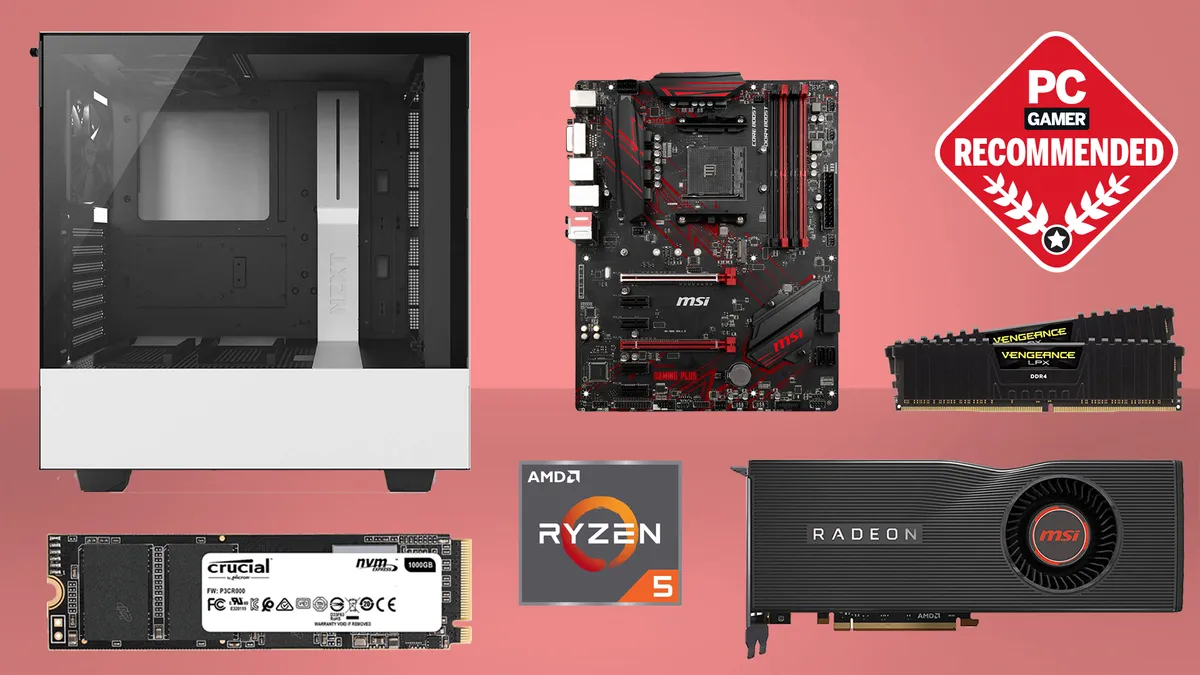
Best CPU for gaming: The top chips from Intel and AMD
Best gaming motherboard: The right boards
Best graphics card: Your perfect pixel-pusher awaits
Best SSD for gaming: Get into the game ahead of the rest
Taiwan has a long history of earthquakes, including the 1999 magnitude 7.3 Jiji earthquake that killed over 2,400 people. It resulted in a global RAM chip bottleneck that caused market prices to triple over the following weeks and months.
As someone who has spent many months in Taiwan, I have first-hand experience of a mild earthquake, though it was still strong enough to wake me in the middle of the night. I’ll never forget those rattling windows on the 14th floor of the room I was staying in.
Whether it’s natural disasters, tensions with China or simple economic over-centralization, the wider global tech industry is taking steps to decouple itself from over-reliance on Taiwanese manufacturing. Whether at the nation level, exemplified by the USA’s Chips act, or companies like Intel seeking to diversify its manufacturing, countries and companies alike are all too aware of the risk of putting too many eggs in one basket.
Should China and Taiwan’s troubled relations descend into open war, the recent pandemic related shortages will look like nothing in comparison to the kind of global geo-political and economic damage that would result. Let's hope it doesn't come to that.

