Microsoft's Xbox app has been released for Arm PCs—just in time for Nvidia's new chip?
Nvidia's N1X Arm CPU could be just months away.
We reported yesterday that that Nvidia's long-awaited N1X Arm chip for the PC could be just months away, but doubts remain over the readiness of the Windows OS for such processors. Well, wouldn't ya know it, Microsoft has announced that the Xbox app is being released for Windows on Arm.
Available from today, in a blog post Microsoft says the app will bring gamers, "the experience you know and love—ready for you to download, play and enjoy."
The blog post also called out the fact that Windows on Arm's Prism emulation layer, which allows x86 software including games to run on Arm chips, has been updated to support AVX and AVX2 insturctions. That should broaden support and reduce the number of existing PC games that won't run on Arm PCs.
Microsoft claims that, "today, more than 85% of the Game Pass catalog is compatible with these PCs, and we’re actively working with partners to expand support even further." It also says, "Epic Anti-Cheat (EAC) support also enables fan favorites for games on Arm-based Windows 11 PCs, including popular titles such as Gears of War: Reloaded, Fortnite and more."
If this is all very promising, there is a catch. Windows on Arm is not, as we understand it, a monolithic operating system. By way of example, whether you have an AMD or Intel processor, you download the same version of Windows for x86 CPUs.
Of course, there's is AMD and Intel-specific code within Windows to support the detailed differences. But as an end user, that's not your problem. But will that be the case for Arm PCs?
Again, as we understand it, the current Windows on Arm implementation might be better thought of as Windows on Qualcomm. It's an OS optimised for Qualcomm's Snapdragon X CPUs. Indeed, Qualcomm's Snapdragon X CPU cores have dedicated hardware for accelerating x86 code emulation.
Keep up to date with the most important stories and the best deals, as picked by the PC Gamer team.
Nvidia's upcoming N1X Arm chip has not been released. So there are no official details. But Nvidia CEO Jensen Huang has said that is the same chip as the GB10 "Superchip" in the DGX Spark. And GB10 uses off-the-shelf CPU cores designed by Arm, manufactured by Mediatek and which lack hardware support for x86 code emulation.
At this point, then, it's probably not safe to assume that whatever features are being released for Windows on Arm today running on Qualcomm CPUs will necessarily be available for Nvidia's upcoming chip. They might be. They might not be.
Moreover, it will certainly be interesting to see how well Nvidia's chip, assuming it is released in the next few months, handles PC games if it indeed does have the same CPU cores as GB10.
Intriguingly, Nvidia has announced its own custom-designed Arm CPU cores, so it does have that capability. But that CPU design, known as Vera, has thus far only been mentioned in an AI infrastructure context and there's no indication if it has also been designed with emulating x86 code on gaming PCs in mind.
All of which means there are still a lot of variables at play. We're not 100% sure if and when Nvidia's N1X will arrive. It's not clear whether it will have the same feature support, including anti-cheat, from Windows. And we don't know what the implications of all this are for running games. Time will tell.
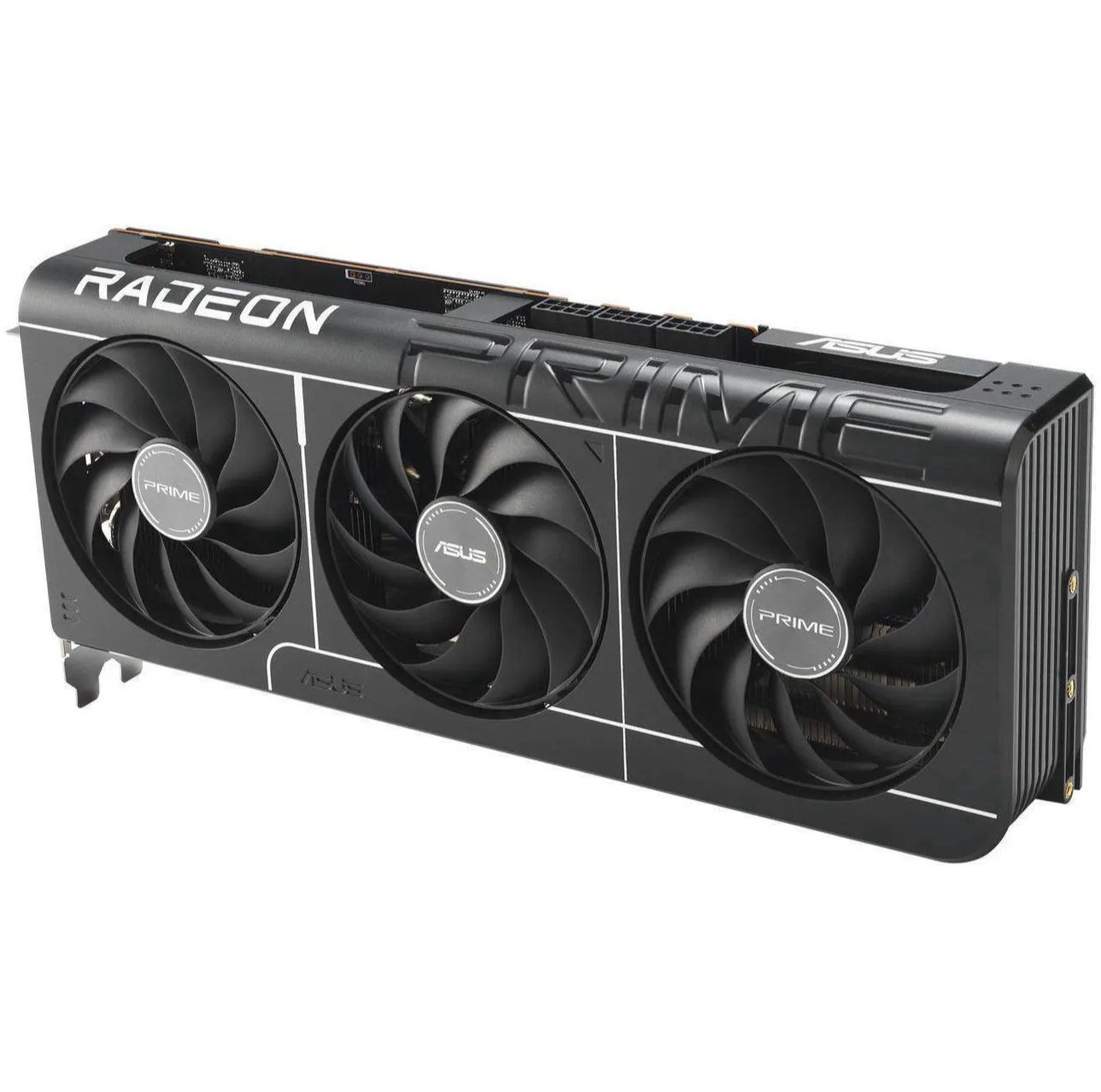
1. Best overall: AMD Radeon RX 9070
2. Best value: AMD Radeon RX 9060 XT 16 GB
3. Best budget: Intel Arc B570
4. Best mid-range: Nvidia GeForce RTX 5070 Ti
5. Best high-end: Nvidia GeForce RTX 5090

Jeremy has been writing about technology and PCs since the 90nm Netburst era (Google it!) and enjoys nothing more than a serious dissertation on the finer points of monitor input lag and overshoot followed by a forensic examination of advanced lithography. Or maybe he just likes machines that go “ping!” He also has a thing for tennis and cars.
You must confirm your public display name before commenting
Please logout and then login again, you will then be prompted to enter your display name.