Linux has not traditionally been the home for gaming, but ever since SteamOS and Proton, it's drastically improved as a gaming platform. It still hasn't had quite the breadth of game support as Windows, though, and it's never had native client support for Nvidia GeForce Now (GFN) game streaming—until now, that is, as GFN has officially come to Linux. In beta, at least.
Before now, you'd have to either access it via the limited browser version, or use third-party apps, such as GeForce Infinity, but a native Linux client will unlock higher resolutions up to 5K, and higher frame rates, too.
Article continues belowThe company did note that GFN might also currently work on other distros that support Flatpak installation—such as the popular Bazzite distro—but it's only officially recommending Ubuntu for now. To install it, first ensure you have the correct drivers installed—manually updating to 580.126.09 for Nvidia GPUs, though AMD drivers should be updated by the GFN Flatpak. Then you can download the Flatpak from the standard GeForce Now downloads page.

At any rate, it works on Nvidia's recommended driver, and I'm sure before long it will just work, full-stop. It is in beta after all.
Performance-wise I've noticed no hiccups in-game, at least not compared to using GFN on Windows. I'm on a 500 MB wired connection, and I still notice a slight amount of input delay when using GFN compared to gaming natively. But I'm attuned to snappy competitive shooters, so I'm possibly oversensitive to that, and there wasn't enough delay to stop me enjoying Doom Eternal on GFN, on either Windows or Linux.
I should note that there are some features that aren't available on Linux yet, such as AV1, HDR, and Cloud GSync. But for the most part, everything works as it should. I found the GFN streaming quality presets to work fine, including L4S (low latency streaming tech) and Reflex. Ray tracing and DLSS worked a charm, too, as did all the other in-game graphical settings I tried.
The one place where performance is a little choppier than in Windows is in the app itself. It's not bad by any stretch, it's just not quite as smooth and snappy as on Windows. It almost feels as if the framerate is lower when scrolling through my game library in the GFN app on Ubuntu.
Despite this, I've been quite pleasantly surprised by how well this all runs, and it's great to see Linux getting even more options for gaming. It got a native app for Steam Deck last year—which will presumably work on the upcoming Steam Machine—but now there should be an option for those wanting to game on a general Linux distro on desktop or laptop, too.

In addition to obviously giving users without powerful rigs (but with a good internet connection) the opportunity to stream games with high-end performance, it should also allow Linux gamers to enjoy games that were previously off-limits. For instance, Apex Legends works on GFN but not on Linux, because of its anti-cheat, so you should now be able to play Apex on Linux via GFN. Some games with kernel-level anti-cheat, however, will still be off-limits, as these haven't been made available on GFN by the developers; Valorant, for instance.
Overall, though, it just adds another brick to the foundation of gaming on Linux. Which means better competition against Microsoft, more options for consumers, yadda yadda. You get the picture: good stuff.
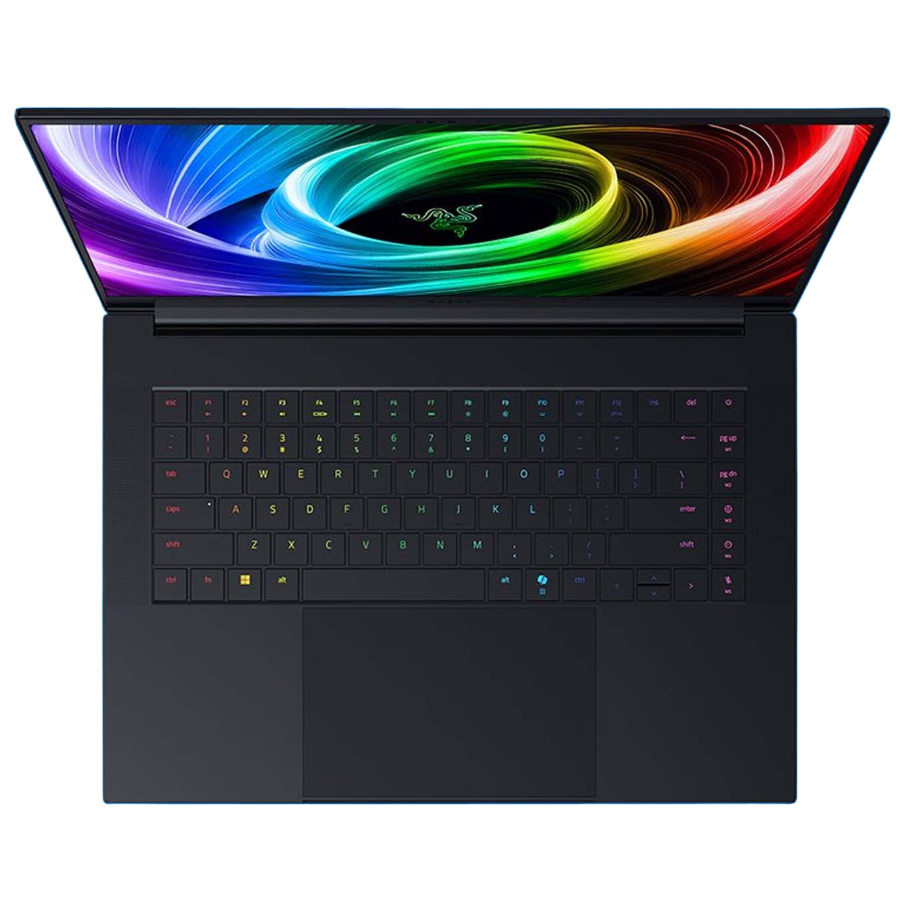
1. Best gaming laptop: Razer Blade 16
2. Best gaming PC: HP Omen 35L
3. Best handheld gaming PC: Lenovo Legion Go S SteamOS ed.
4. Best mini PC: Minisforum AtomMan G7 PT
5. Best VR headset: Meta Quest 3

You must confirm your public display name before commenting
Please logout and then login again, you will then be prompted to enter your display name.