





For the better part of the last decade, Silicon Lottery has been selling pre-binned processors that are guaranteed to run stable at certain clock speeds above stock settings, taking the guesswork at getting a good slice of silicon (otherwise known as winning the silicon lottery). But after seven years of doing this, the founders are closing up shop.
We will be closing our store at the end of October. Thanks to all of our customers over the years for being so awesome!https://t.co/jEAPcM6lB0September 28, 2021
Silicon Lottery posted a brief message on Twitter saying it was shutting down at the end of October, and went into more detail about the decision on its homepage. It's there that the company says its online store will close October 31, 2021, and that any orders for its delidding service will need arrive at its facilities by November 30.
Several factors led to the decision. One of them is that "supply issues have taken a major toll" on the site's sales and services, which Silicon Lottery says was a problem even before the pandemic began.
"Our orders with distributors for the last few [processor] releases have been nightmares of delays upon delays," Silicon Lottery says.
Silicon Lottery also pointed to a decrease in overclocking headroom as manufacturers more aggressively push for higher frequencies at stock settings, along with continual improvements made to the boosting algorithms and less differentiation between certain models.
"The 11900K is essentially a binned 11700K, so with the 11900K we’re binning what has already been fairly heavily binned," Silicon Lottery explains. "This type of product segmentation is nothing new, but having such minor differences between two models is a more recent shift."
In addition to selling cherry-picked CPUs at various markups above MSRP (depending on good the CPU ended up being), Silicon Lottery also made a business out of delidding processors and replacing the stock thermal interface material (TIM) with liquid metal. This is a delicate process that involves carefully removing the integrated heatspreader (IHS) to expose the actual CPU die, and when performed by inexperienced hands (and/or without the proper tools), it is an easy way to destroy a chip.
This became a less viable service when Intel switched from applying a polymer TIM to using a solder-based TIM (or STIM) starting with its 9th generation CPUs, which in turn increased thermal conductivity between the CPU die and the IHS. Lower temps can still be achieved by going with liquid metal, but the difference isn't as dramatic as it once was.
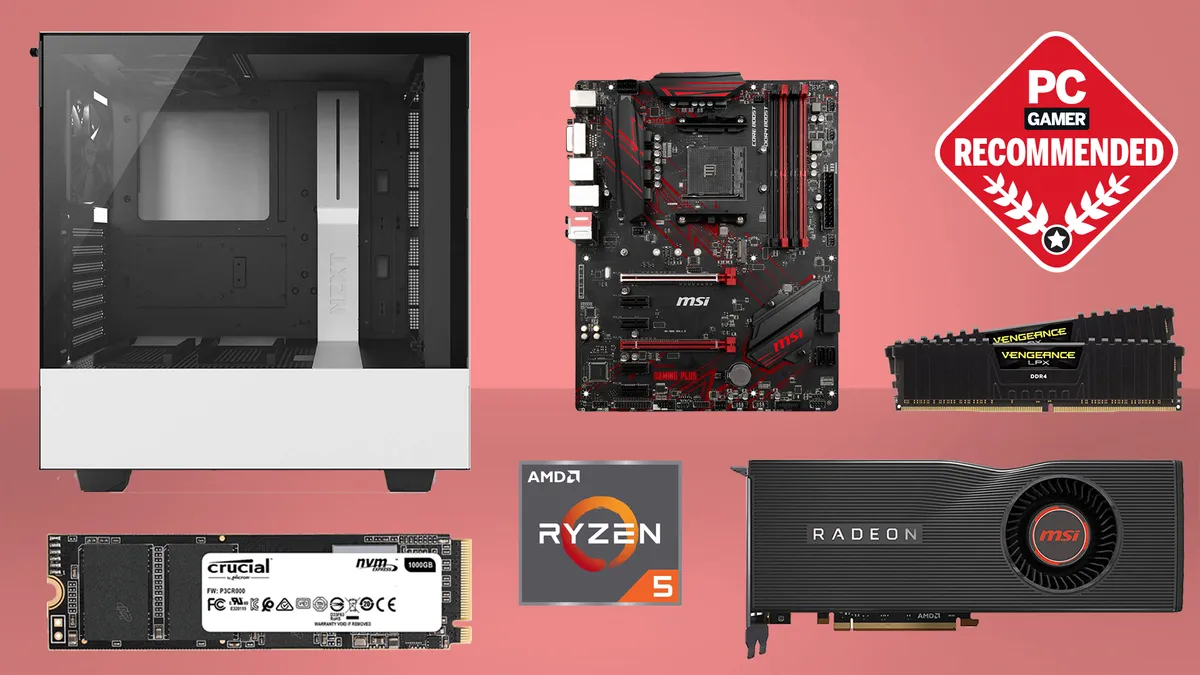
Best CPU for gaming: the top chips from Intel and AMD
Best graphics card: your perfect pixel-pusher awaits
Best SSD for gaming: get into the game ahead of the rest
"With all of this in mind, sales have fallen below the point where it makes sense for us to keep the store open," Silicon Lottery explains. "We know many of you are eagerly wanting Alder Lake CPUs, and we’re sorry that we won’t be able to fulfill your needs this time. We have seen your emails rolling in these past couple of weeks, and we’re sorry for not getting back to you guys earlier as we’ve been busy juggling this decision."
So there you have it, an end of a era, or at least a halt "for the foreseeable future." Silicon Lottery left the door slightly ajar for a possible comeback, saying this "not necessarily goodbye forever," should future product launches offer up more overclocking headroom and less variation among SKUs. But those are long shots, and while it stinks for Silicon Lottery, most of what made the business no longer viable are actually good developments for consumers at large.

