





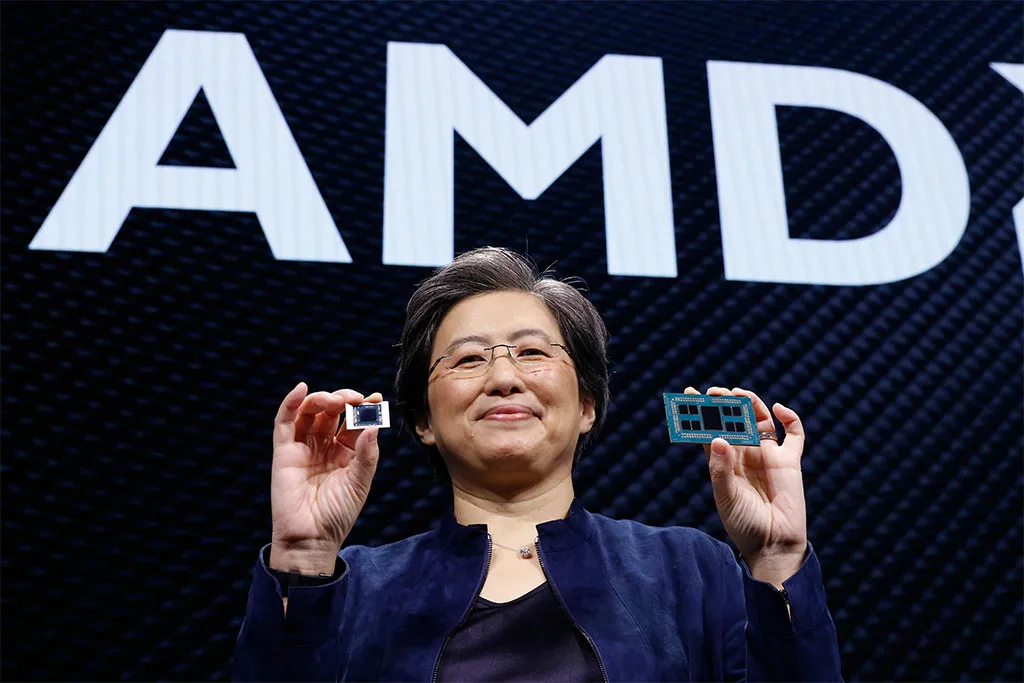
AMD continues to reap the rewards of its Zen architecture, now heading into its fourth generation with Zen 3 (preceded by Zen 2, Zen+, and the original Zen), which will launch to retail on Thursday, November 5. And without tallying a single Ryzen 5000 series sale, AMD is enjoying its highest share of the CPU market since 2007.
Intel still dominates the landscape, in terms of overall market share at least, but AMD's continued rise is reminiscent of the browser wars. There was a time when Internet Explorer was on top as well—way on top—and now it is being put out to pasture (in favor of Edge).
That is not an apples-to-apples comparison, of course, and I'm not suggesting Intel will follow in IE's footsteps. But it's clear Intel cannot afford to take its pole position for granted with AMD's foot pressed hard on the accelerator.
As things stand, AMD's overall x86 CPU share increased 4.1 percent from last quarter and 6.3 percent year-over-year, to 22.4 percent currently, according to data the company cited from Mercury Research (via Tom's Hardware). A 4.1 percent sequential jump is not only impressive, it also means AMD now holds its largest chunk of the market in over a decade.
The gains came from across the board, too. If you're looking at just x86 CPUs on the desktop (excluding IoT), AMD holds a 20.1 percent share, its highest since the end of 2013. That still leaves Intel with the lion's share of the market, but it's notable that AMD has added to its tally for 12 consecutive quarters. And AMD is highly likely to extend its streak to 13 consecutive quarters, with Ryzen 5000 series CPUs becoming available this week.
In both the notebook and client sectors (both excluding IoT), AMD holds a 20.2 percent in each. And just as it has done on the desktop, AMD has grown its notebook CPU market share for 12 quarters in a row.
According to Mercury Research president Dean McCarron, AMD's gains are tied to high end product offerings.
"I'd say 100 percent of the gain came from the high end for them, because Intel's high end was flat and AMD's high end grew, while Intel's entry-level business out-grew AMD's. Intel's i3/Pentium/Celeron grew very strongly and if you limited the share to just entry-level, Intel would have gained in the third quarter," McCarron told Tom's Hardware.
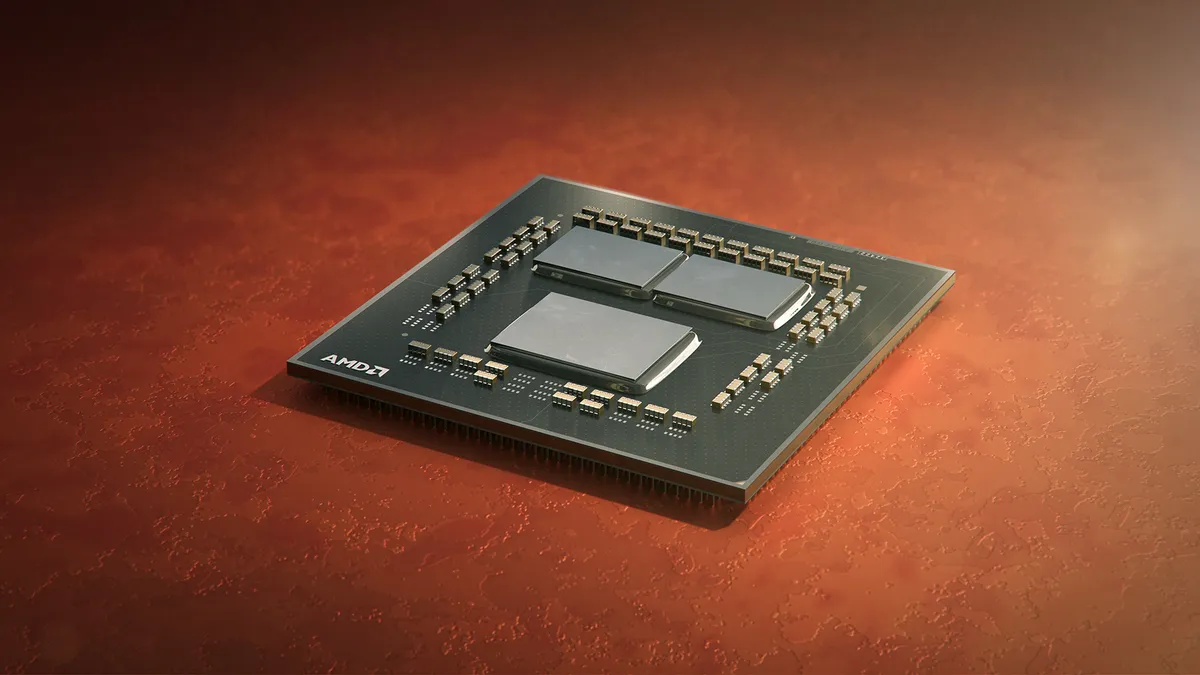
Additionally, McCarron figures some 60 percent of AMD's increased desktop shipments were high end CPUs, meaning no dual-core chips or APUs, only quad-core and higher.
What does it all mean? Well, market share is fickle, so the fact that AMD is consistently nabbing more of the x86 CPU market is good news for the company, and troubling for Intel. At least in the short term.
Best CPU for gaming: the top chips from Intel and AMD
Best graphics card: your perfect pixel-pusher awaits
Best SSD for gaming: get into the game ahead of the rest
Looking ahead, AMD is claiming a 19 percent increase in IPC (instructions per clock) performance with its Zen 3 CPUs (Ryzen 5000 series), compared to Zen 2 (Ryzen 3000 series on the desktop). The expectation is that Ryzen 5000 will give AMD the performance edge in virtually every category, including gaming.
Intel, meanwhile, is preparing to launch its Rocket Lake CPUs in the first quarter of next year, and is promising a double-digit IPC gain compared to Comet Lake. That could put Intel out in front again.
Whether AMD and Intel play a game of leapfrog in the years ahead remains to be seen, and depends on how Zen 4 (and beyond) works out for the former, and the shift beyond 14nm works out for the latter. Either way, the real winners are us, the consumers, so long as AMD and Intel continue to compete for our hearts.

