You might not be fully aware of this, but PC gamers with RDNA-based GPUs in their graphics cards share quite a lot in common with anyone who has a PlayStation 5 or PS5 Pro. That's because there are quite a few architectural features common to both. However, while only RDNA 4 users officially get FSR 4, PS5 Pro gamers will soon be getting an updated version of Sony's PSSR upscaler, with Resident Evil Requiem being the first game to use it.
If your reaction to this is 'so what?', it's worth bearing in mind that FSR 4 and PSSR (PlayStation Spectral Super Resolution) stem from Project Amethyst, a joint venture between AMD and Sony for bringing AI-powered upscaling to consoles and PCs alike.
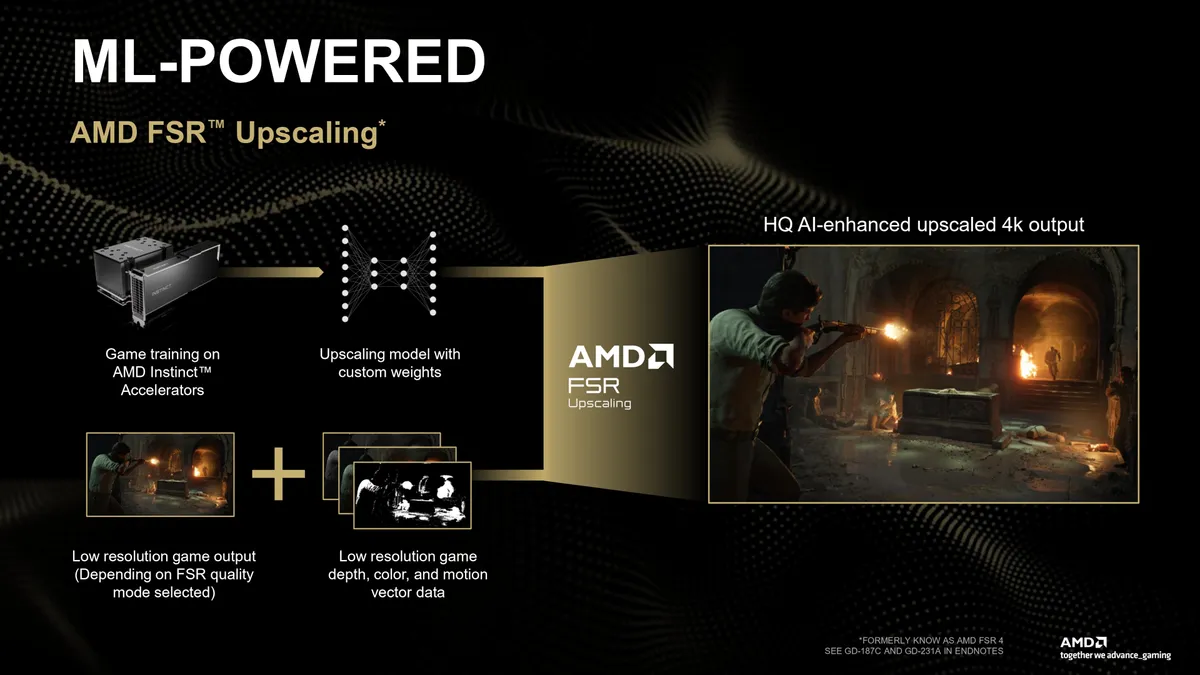
Sure, you don't get as big a performance boost as you would using an equivalent Radeon RX 9000-series card, but if 'FSR 4' can be made to work on a PS5 Pro as well, which has RDNA 2-type compute units, then surely there's no reason for it not be properly supported on RX 6000 or 7000-series graphics cards.
From a business perspective, there is one very good reason, of course: FSR 4 helps sell RX 9060 and 9070 cards. And given AMD's relative share of the discrete GPU market, every little advantage to shift a few more boxes is always going to be taken. And to continue being fair to AMD, it's not like the standard PS5 supports PSSR, because it doesn't.
I suspect by now that AMD isn't going update FSR 4 to add official support for pre-RDNA 4 GPUs, so while PS5 Pro gamers will soon get to enjoy Resident Evil Requiem with a touch nicer graphics, Team Red fans on PC will have to make do with good old FSR 3.1. Fortunately for them, it's actually very well implemented in the game, especially the frame generation part of the tech package.
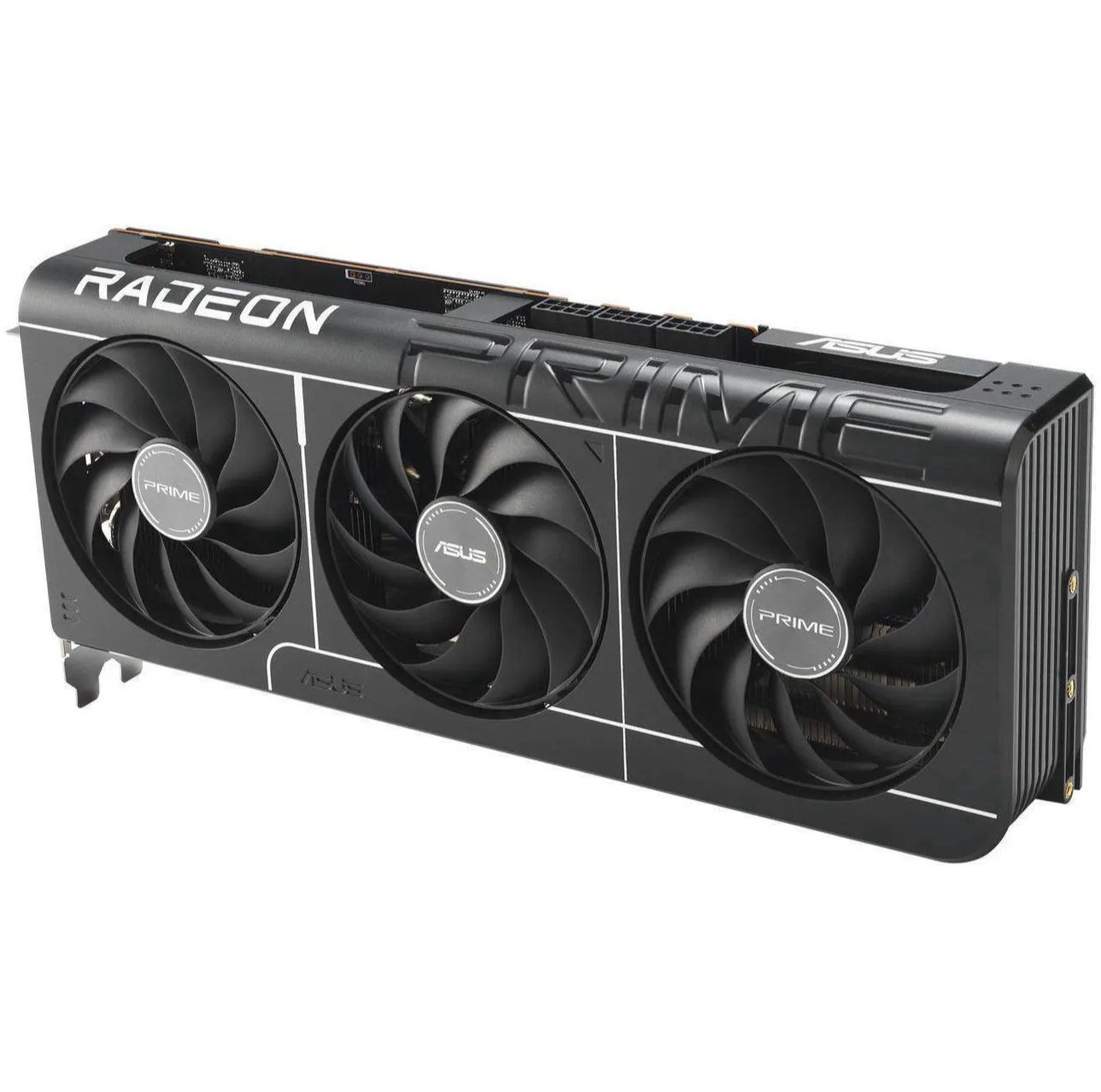
1. Best overall: AMD Radeon RX 9070
2. Best value: AMD Radeon RX 9060 XT 16 GB
3. Best budget: Intel Arc B570
4. Best mid-range: Nvidia GeForce RTX 5070 Ti
5. Best high-end: Nvidia GeForce RTX 5090

You must confirm your public display name before commenting
Please logout and then login again, you will then be prompted to enter your display name.