Intel has had a tough time convincing companies to come to its manufacturing division, Intel Foundry. Few are biting—preferring to go with tried-and-tested options, namely TSMC. Though the company may have just won a very important customer: Nvidia.
According to Digitimes, citing supply chain sources, Nvidia has signed on with Intel Foundry to manufacture some parts of its forthcoming Feynman chips.

Intel is in no hurry to tool up its fabs for 14A production. In an earnings call last week, Intel CFO David Zinsner confirmed that it's "aggressively getting tools on Intel 7, 10, 3, 18A" but "holding back on is 14A."
"14A is really linked to foundry customers, and it does not make sense to build out significant capacity there until we know that we have the customers that will accept that demand," Zinsner said.
This follows on from comments made in an SEC filing earlier in 2025 by the company's CEO, Lip Bu-Tan, that put investment into 14A and future cutting-edge process nodes into jeopardy.
"If we are unable to secure a significant external customer and meet important customer milestones for Intel 14A, we face the prospect that it will not be economical to develop and manufacture Intel 14A and successor leading-edge nodes on a go-forward basis.
"In such event, we may pause or discontinue our pursuit of Intel 14A and successor nodes and various of our manufacturing expansion projects."

Though, since that time, both the US government and Nvidia have bought a stake in the business—Nvidia and Intel will team up on some chips in future—and the rhetoric from the White House has shifted to aggressively pushing companies to manufacture their chips within the United States. Hence why something once as unthinkable as Nvidia using Intel's manufacturing biz is now closer to reality—there's politics at play.
Intel is also reported to be involved in the packaging process for Feynman, taking on around 25% due to the use of its EMIB tech, which Intel uses to connect various dies together on its chips. TSMC will deal with the rest.
So, tentatively a win for Intel, though one surely derived in part from political pressure. That could go away at some point, and Intel Foundry will need something special to compete with TSMC in the long-run. As it stands today, 14A and subsequent process nodes are still on shaky ground.
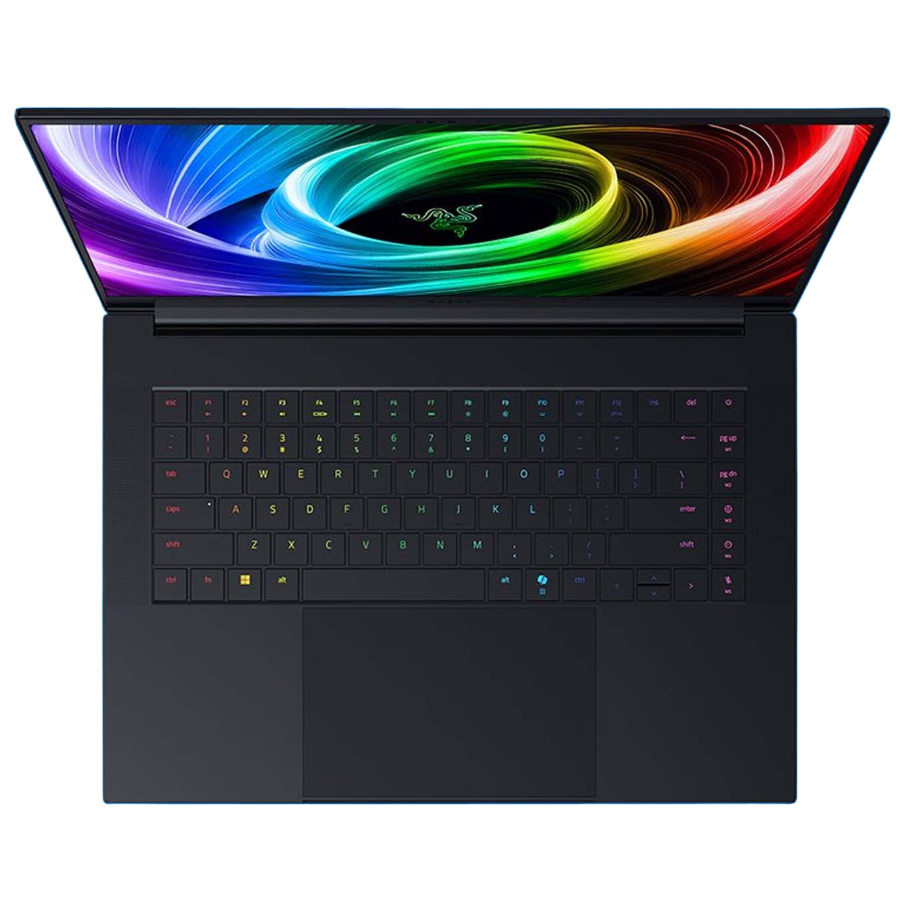
1. Best gaming laptop: Razer Blade 16
2. Best gaming PC: HP Omen 35L
3. Best handheld gaming PC: Lenovo Legion Go S SteamOS ed.
4. Best mini PC: Minisforum AtomMan G7 PT
5. Best VR headset: Meta Quest 3

You must confirm your public display name before commenting
Please logout and then login again, you will then be prompted to enter your display name.