How low can you go? A simple question, but one with intriguing and occasionally hilarious results when applied to PC gaming and upscaling. The answer, apparently, is 77p or thereabouts. Yep, not 720p or any other triple-digit vertical res, but a very countable 77 vertical pixels. Yikes.
Turns out they vary from absolutely awful to still-kinda-potatovision-but-better-than-you'd-probably-guess, if that's not an unforgivably excessive use hyphenation and compound adjectives.
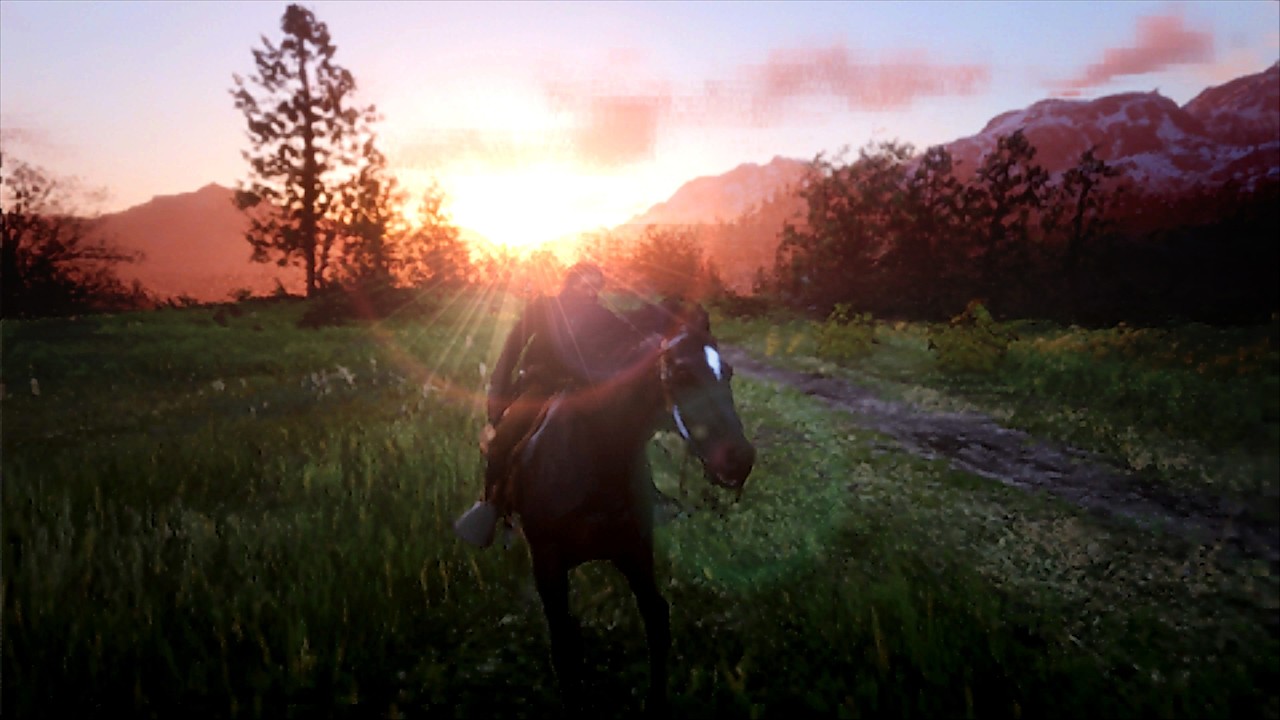
Anywho, to go lower than 720p, for starters you actually have to edit Red Dead Redemption 2's config file. 2kliksphilip first tried 120p base resolution, then 90p. At this point, text and menu controls get very hard to read even given those elements are rendered at the upscaled resolution, which is double the vertical pixel count but still very low.
Next he tried 60p and the game crashes. Turns out there's a lower limit on game rendering. "The technology just isn't there yet to handle a game at this resolution," is 2kliksphilip's deadpan observation.
Apparently that hard limit for the upscaled output is 410 horizontal pixels. There's actually no vertical limit, but 410 pixels by one pixel would be fairly silly. So, 2kliksphilip settled on that 410 horizontal figure and a conventional aspect ratio, which translated into 77p base resolution.
In other words, we're talking 137 by 77 pixels, upscaled to 410 by 231 via DLSS 4 and then LS1 lossless upscaled to 3,690 by 2,079 to achieve the fullscreen potatovision. Funnily enough, at that setting there's significant stuttering thanks to the lossless scaling. So, of course he added frame gen to smooth things out while also increasing the latency. Perfect for running 77p on his RTX 5090. Huzzah!
Long term, 2kliksphilip's ambition is for Nvidia to remove all limits from DLSS upscaling and allow games to be scaled up from a single pixel. You know, just because. More seriously, as he says, it would be interesting to see just how low you can go before the whole thing really breaks down and the upscaled output isn't recognisable as a game.

Until then, it's all good, clean, potato-quality fun. Actually, 2kliksphilip also has a more serious, though also occasionally (and intentionally) hilarious, video covering all the current upscaling technologies scaling from 360p to 720p.
Turns out DLSS 4.5, using the L Preset, is by far the best and generates incredibly good results. In fact, they're pretty much indistinguishable from a 720p image downscaled from 4K, the latter being the gold standard for high-quality 720p rendering.
It is, frankly, incredible how well the DLSS 4.5 L preset resolves detail from the 360p base res; how a blocky, pixellated green mass somehow becomes individual blades of grass. Anywho, that video is also well worth a watch to see how it all works and is actually one of the best videos around for getting a feel for the competing upscaling techs.
The actual 77p reel? Well, it's also worth a watch, just for entertainment.
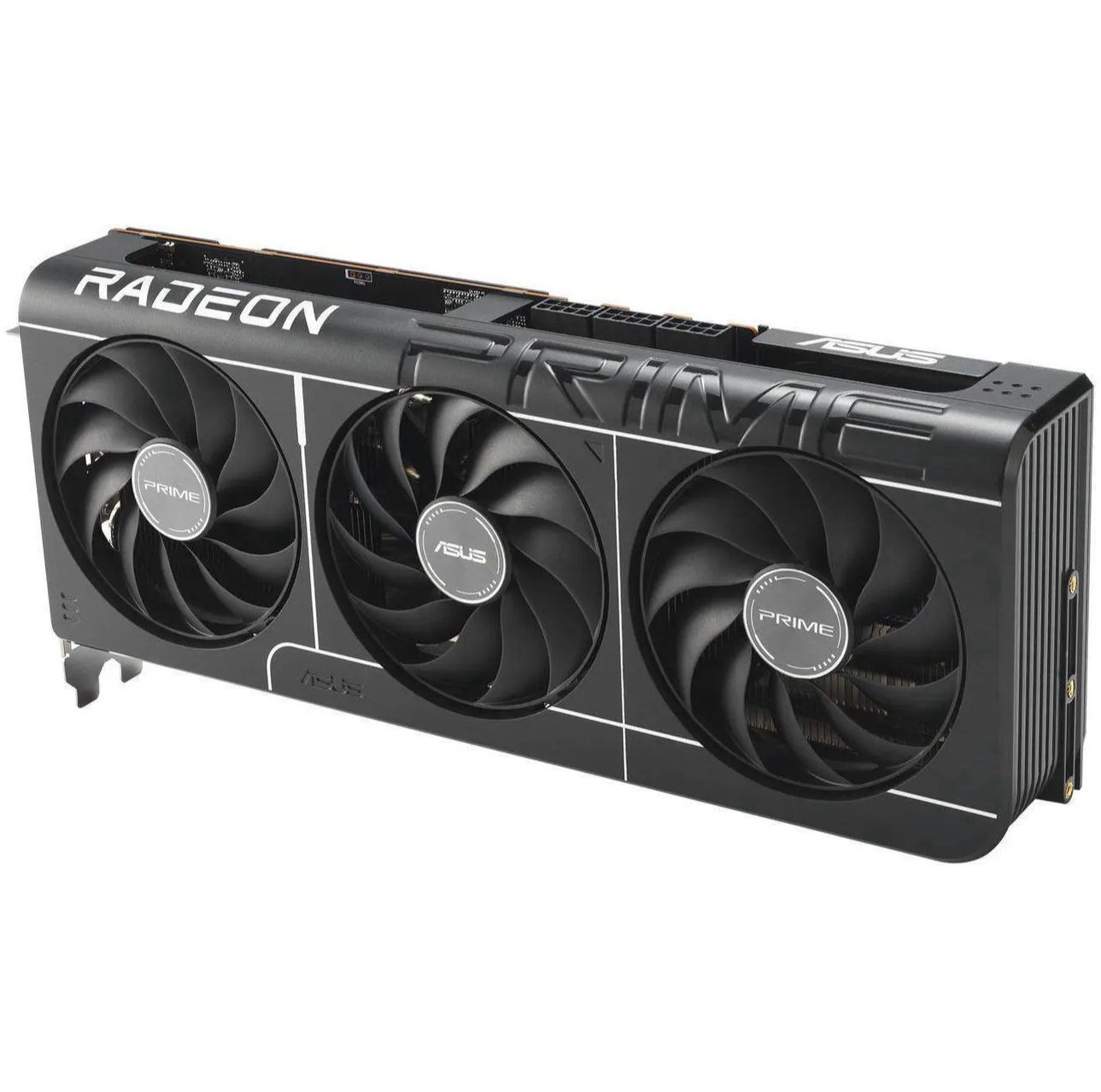
1. Best overall: AMD Radeon RX 9070
2. Best value: AMD Radeon RX 9060 XT 16 GB
3. Best budget: Intel Arc B570
4. Best mid-range: Nvidia GeForce RTX 5070 Ti
5. Best high-end: Nvidia GeForce RTX 5090

You must confirm your public display name before commenting
Please logout and then login again, you will then be prompted to enter your display name.