Join The Club





Although AMD's presentations and stands at this year's CES event have been heavily focused on AI (to the point that it seems to have forgotten what the C in CES stands for), it hasn't entirely left gaming out of the loop. At a discussion with press members and graphics wizards, the future of FSR 4 was laid out: the software library will eventually become open-source, with only the core technology remaining behind closed doors.
The members in question included Tom's Hardware, which reported on the Q&A session, and it was AMD's president of GPU Technologies and Chief Software Officer, Andrej Zdravković, who provided the pertinent answers.
Article continues below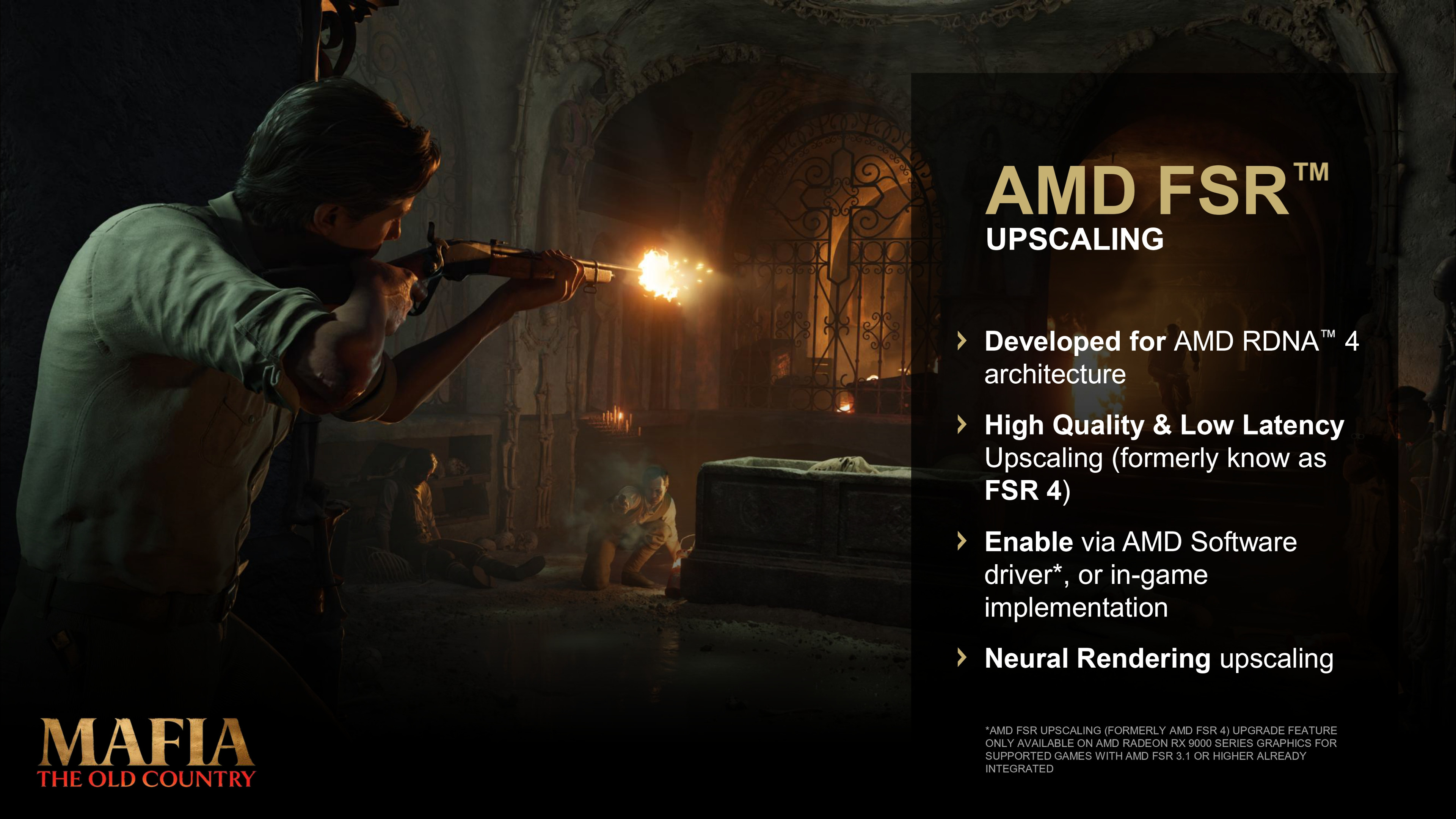
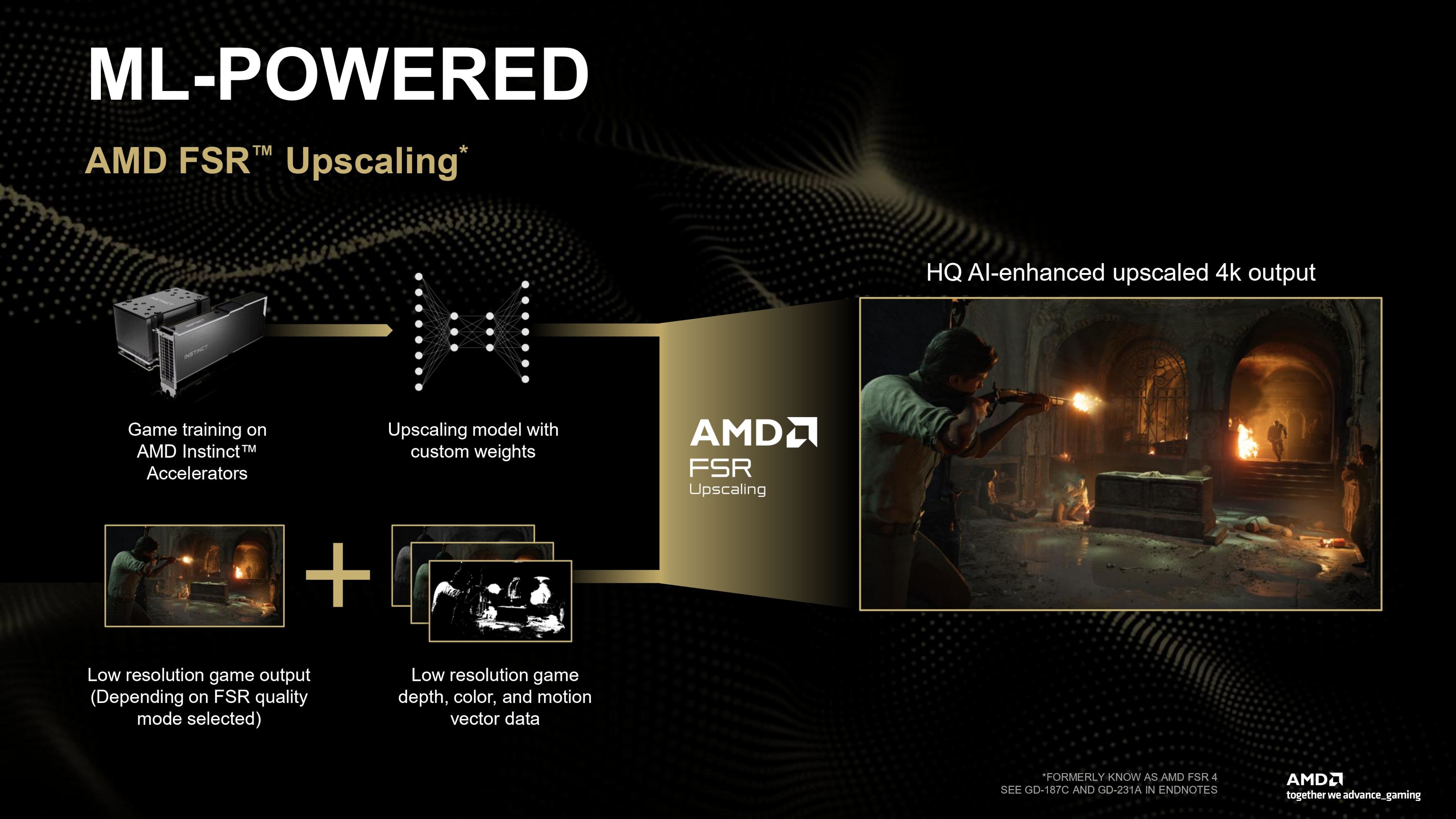
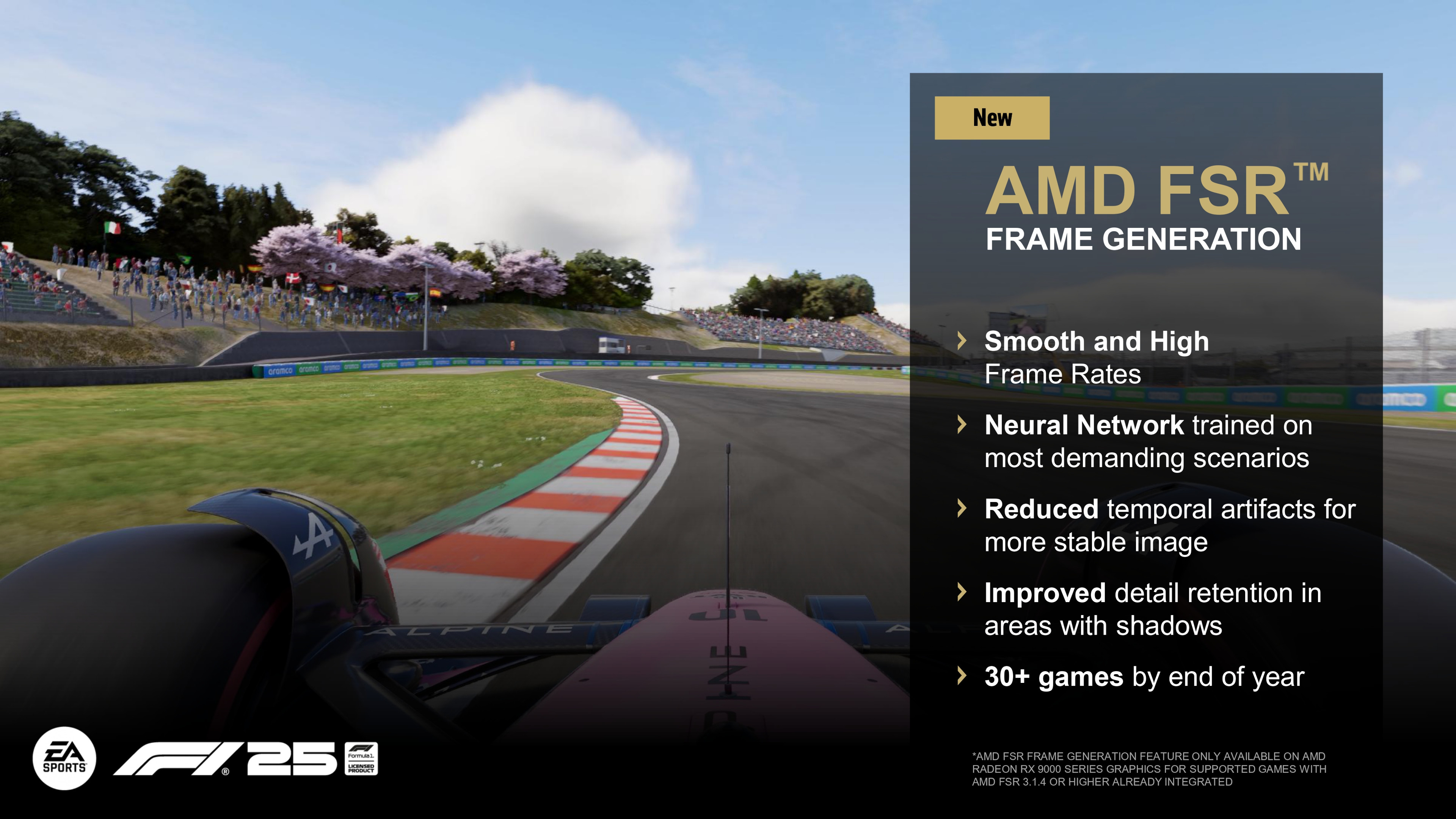
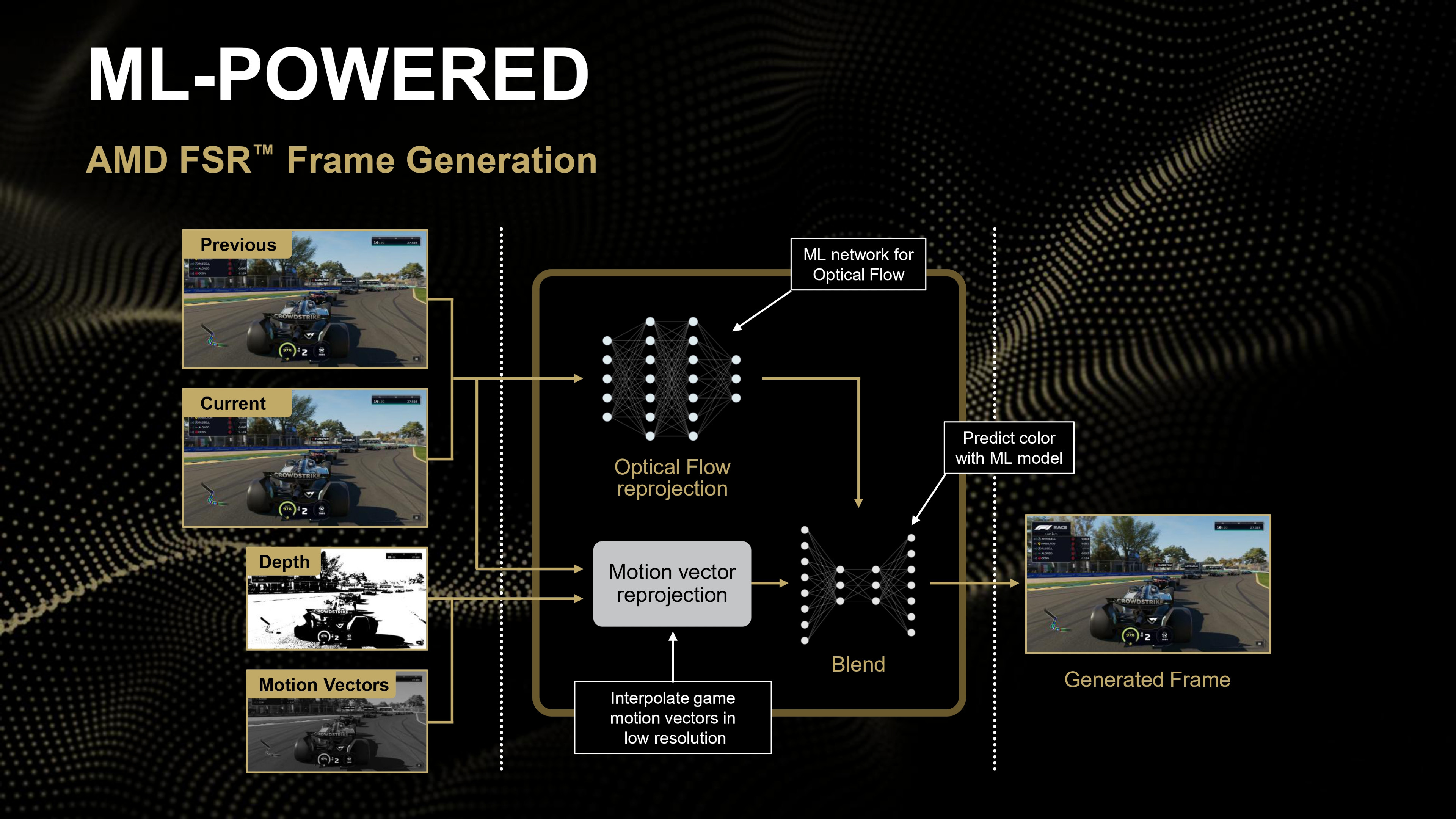
As a quick reminder, FSR 4 is AMD's latest iteration of its upscaling and frame generation package, but unlike previous versions, which ran entirely on standard shaders for everything, this one requires access to the matrix units in RDNA 4 GPUs to work as intended. That's because FSR 4 now works just like DLSS does, in that neural networks are used to fix upscaling artefacts and interpolate frames.
Catch up with CES 2026: We're on the ground in sunny Las Vegas covering all the latest announcements from some of the biggest names in tech, including Nvidia, AMD, Intel, Asus, Razer, MSI and more.
Previous iterations of FSR (namely 3.1.5 and older) are already open-source and available on GitHub. In other words, as long as you comply with the MIT license, you are free to use the code however you like. You'll notice that FSR 4 is also there, but that's just a remainder of the boo-boo from last year; no files remain within the repository.
Obviously, AMD doesn't want to give away all the secret stuff behind the neural networks that are used in FSR 4, because Intel and Nvidia would be able to go through it all and perhaps use the information to improve their own AI systems. However, every other aspect of the FSR SDK looks like it will become open-source soon enough.
What will that mean? Well, nothing new as such, because modders have already managed to get FSR 4 working on older GPUs, such as the RDNA 2-powered Radeon 6000-series.
But having the source code for the whole shebang might just make it easier to create third-party apps that do a nicer job than AMD's software at overriding FSR implementations in games. Adrenalin is a lot better than it used to be, but it's still quite clunky to use. If open-sourced FSR 4 can fix that, then everyone's a winner.
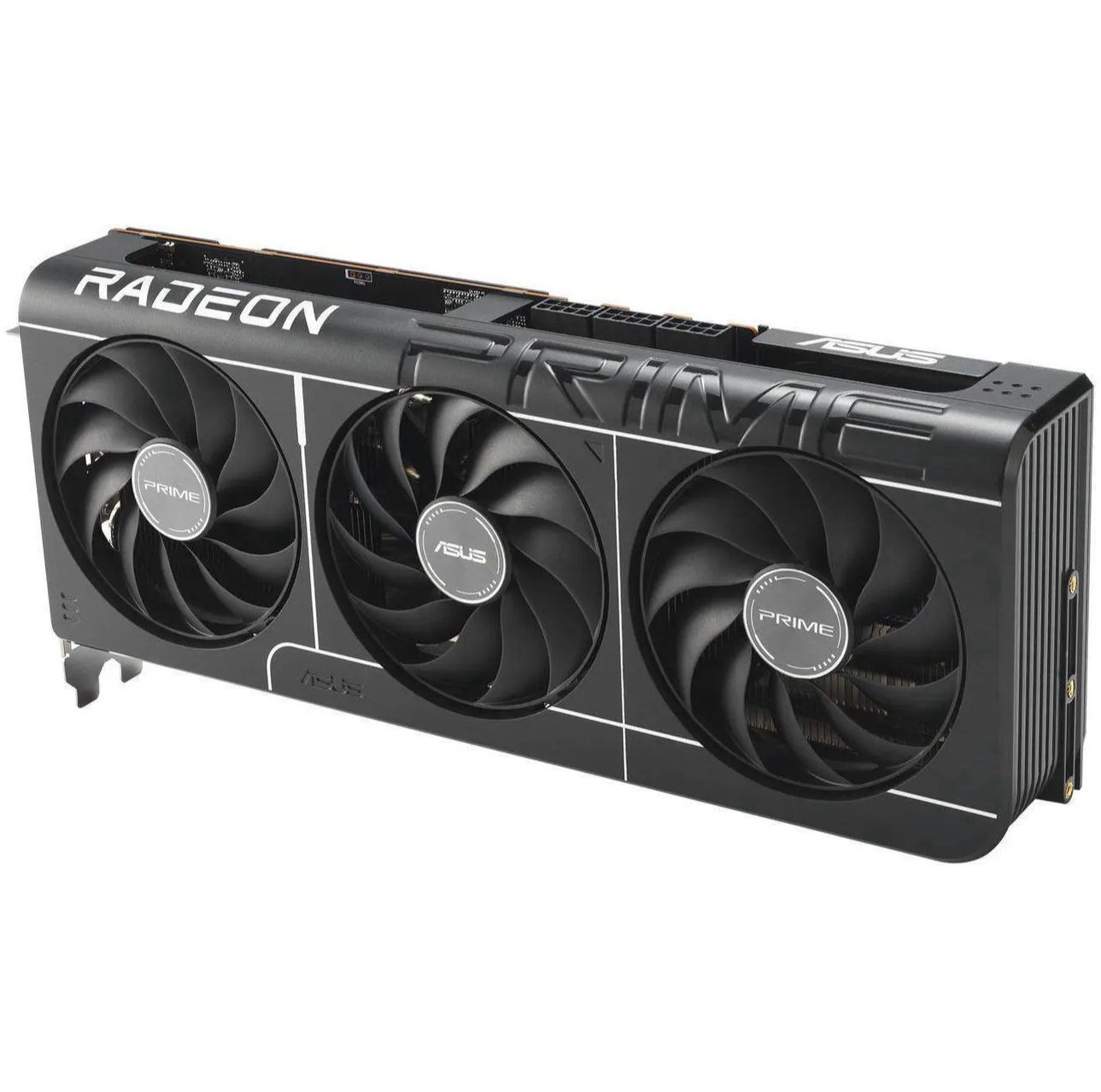
1. Best overall: AMD Radeon RX 9070
2. Best value: AMD Radeon RX 9060 XT 16 GB
3. Best budget: Intel Arc B570
4. Best mid-range: Nvidia GeForce RTX 5070 Ti
5. Best high-end: Nvidia GeForce RTX 5090

You must confirm your public display name before commenting
Please logout and then login again, you will then be prompted to enter your display name.