Our Verdict
TMR may just be the "future of magnetic keyboards", but Cherry is perhaps a little too early to that future, and a lot too expensive.
For
- Solid typing feel
- TMR magnetic switches
- Sturdy build
Against
- How much?
- Garish looks
- Niche
PC Gamer's got your back Our experienced team dedicates many hours to every review, to really get to the heart of what matters most to you. Find out more about how we evaluate games and hardware.
You really have to offer something special to charge $250 for a keyboard. Even more so for one that's TKL. The white Cherry Xtrfy MX 8.2 Pro TMR TKL (say that three times fast) looks a bit garish and costs a lot of money, but offers a better second impression than a first one.
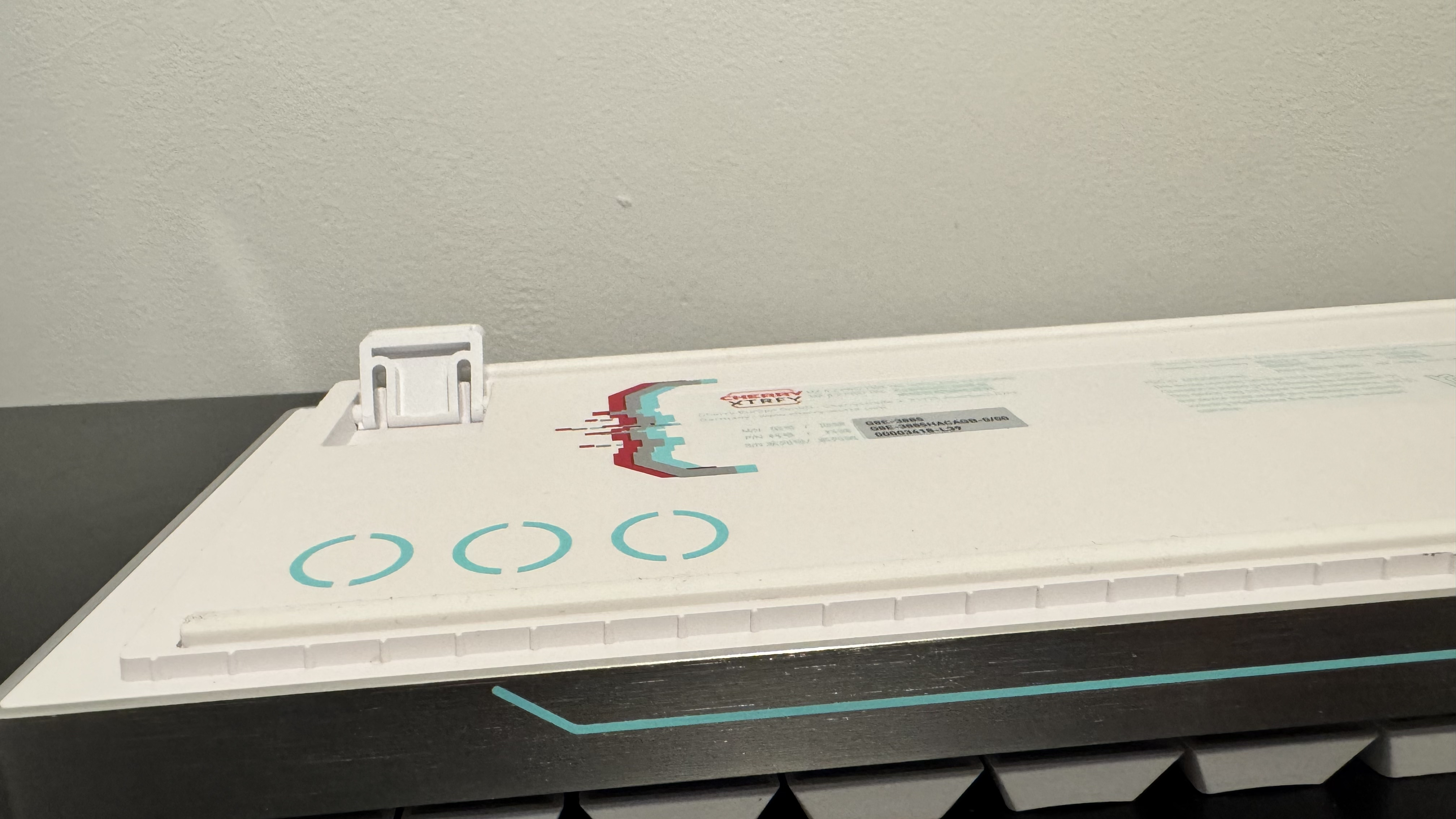
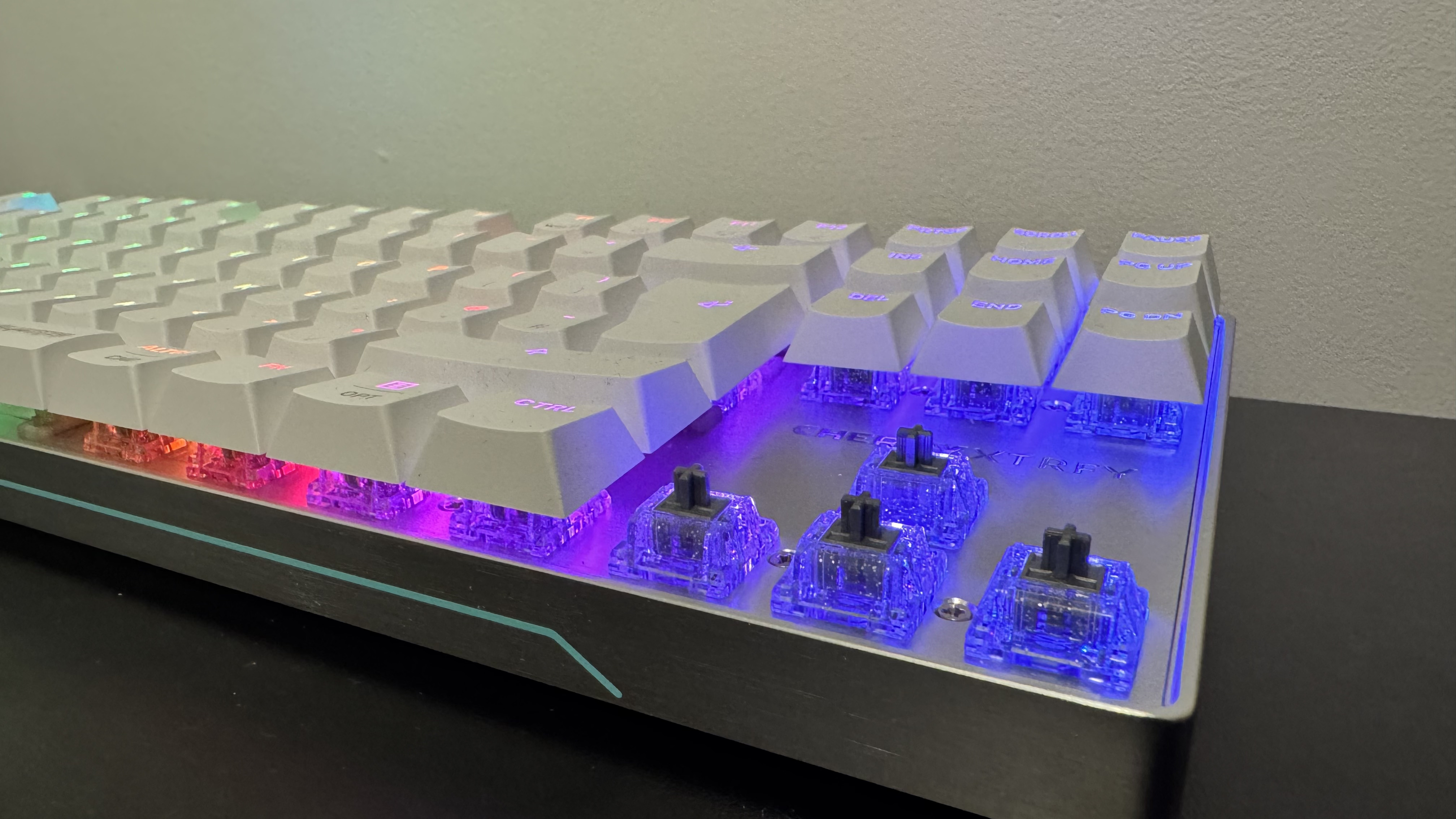
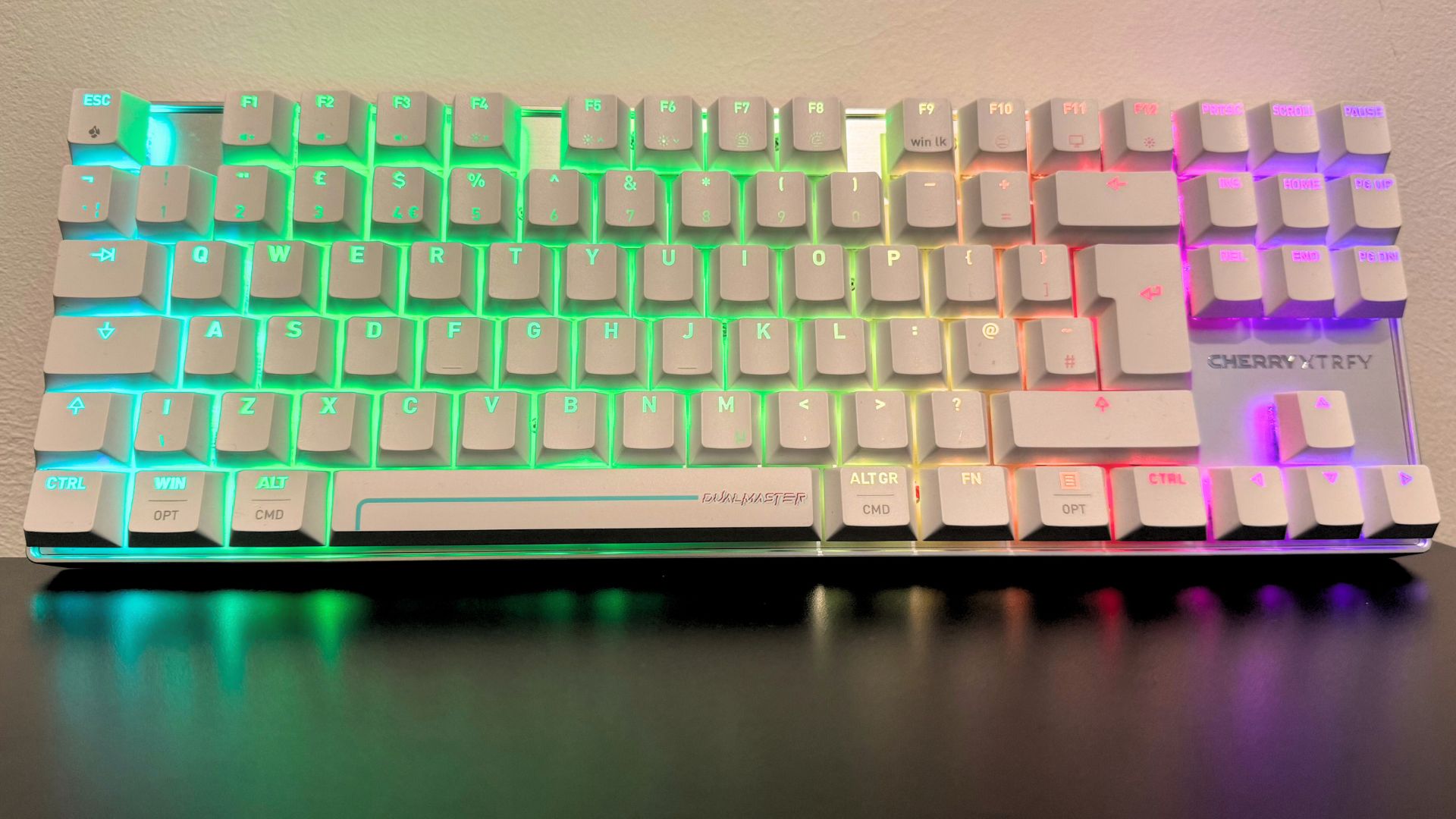
It's undeniably a very firm bit of kit, and a sturdy top plate means it's not weak to any flex (trust me, I tried). It has a rather hefty weight and feels strong on a desk. Its aesthetic, one that is plastered with white, blue, silver, and a somewhat dated vaporwave logo, doesn't appeal to me, though. It's covered in RGB, which is often make or break for a keyboard, and I can't say it makes the MX 8.2 Pro.

Size: TKL
Switches: Cherry MK Crystal Magnetic
Connectivity: 2.4 GHz wireless, Bluetooth, and wired
Keycaps: Double-shot PBT
Battery Life: Up to 300 hours in Bluetooth mode
Hot-swappable switches: Yes
Anti-ghosting: Yes
Polling rate: Up to 8,000 Hz
Dimensions: 350 x 120 x 40 mm
Media controls: No
Price: $250 / €230
With TMR, you're getting faster response times, lower battery consumption, and higher sensitivity. But all of the above is already pretty darn great with the similar magnetic-based tech of Hall effect in the first place. As a replacement for the old guard, TMR is definitely the way to go, but is it worth all that extra cash?
My money says not right now. This is especially true if we consider how both mechanical and Hall effect keyboard prices have continued to drop since their introduction.
Cherry claims a precision of 0.01 mm for key presses, but then so does Asus' ROG Falchion Ace 65 HE; you're able to get a similarly precise experience even without TMR right now. The Cherry reportedly enjoys up to 300 hours of battery in Bluetooth mode, but that battery life shrinks in its 2.4 GHz and above 1,000 Hz polling rate modes. This is all to say that this Cherry keeb definitely has impressive specs, with trade-offs to get those specs.
Whether or not that's important to you is largely dependent on whether you're already at the top of the scoreboard. If you're firmly in the middle, you likely won't appreciate the difference in a few milliseconds between response times. For most, super-precise actuation and a high polling rate are all a little much, especially when you are paying a premium for them.
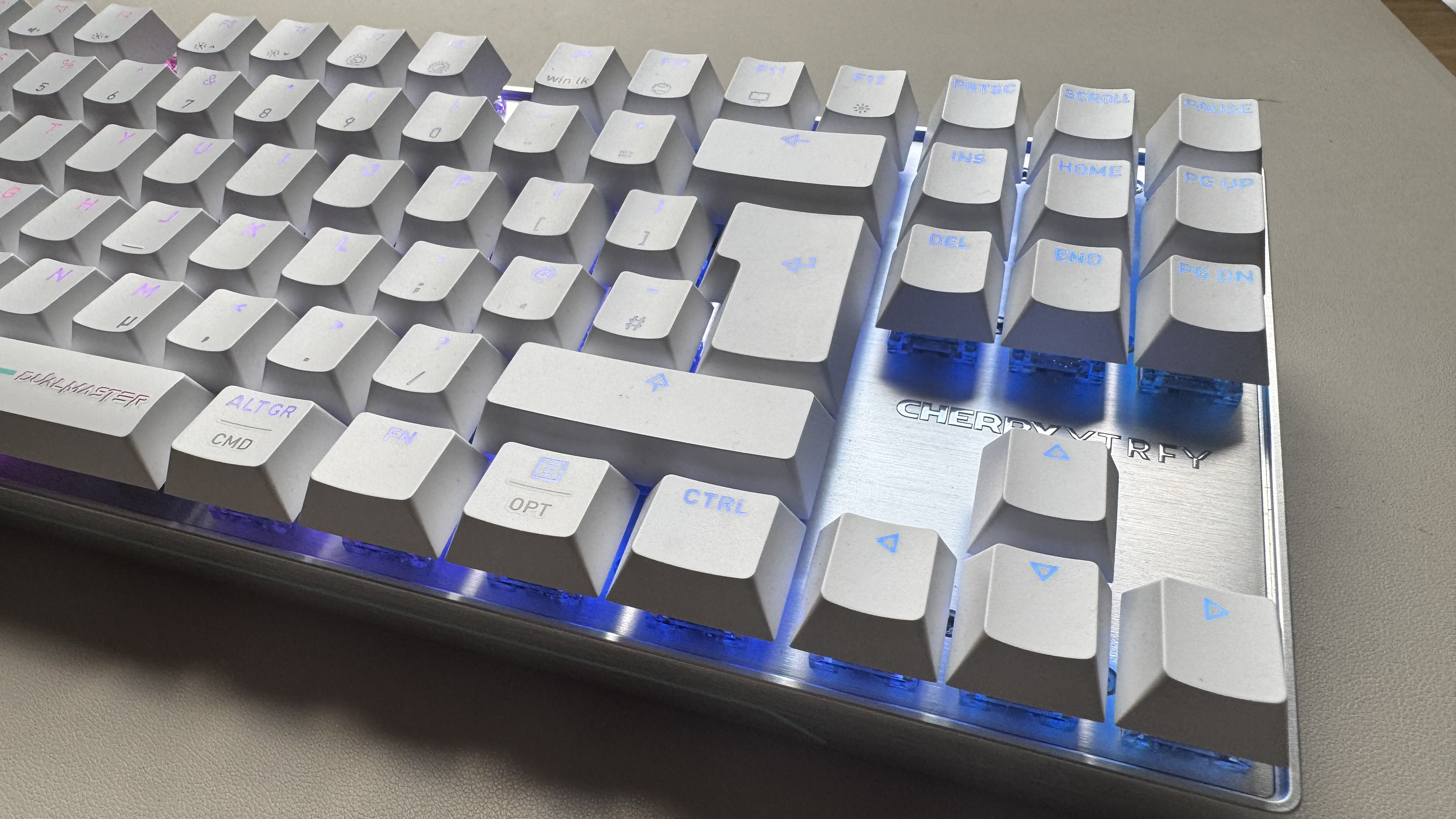
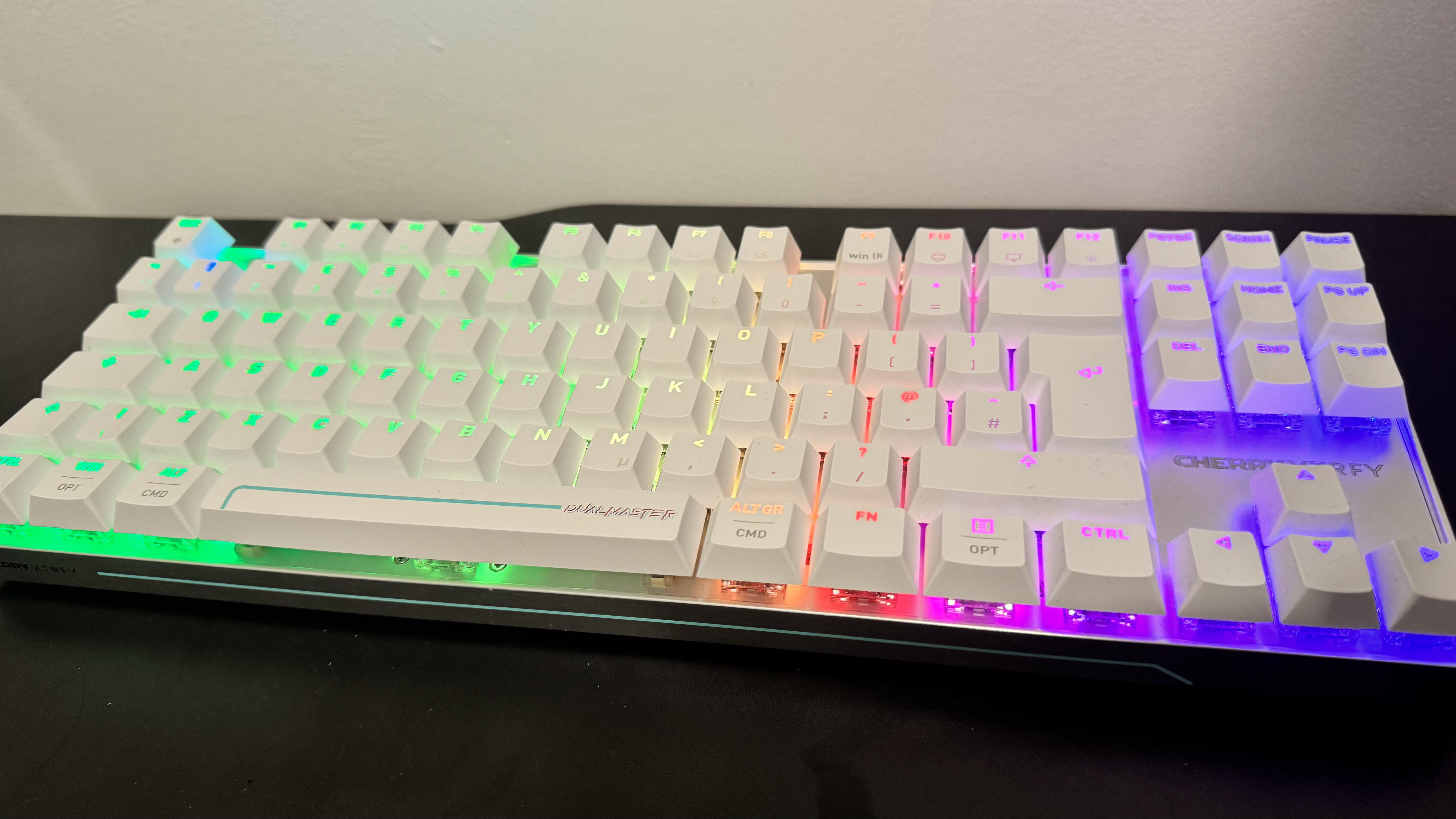
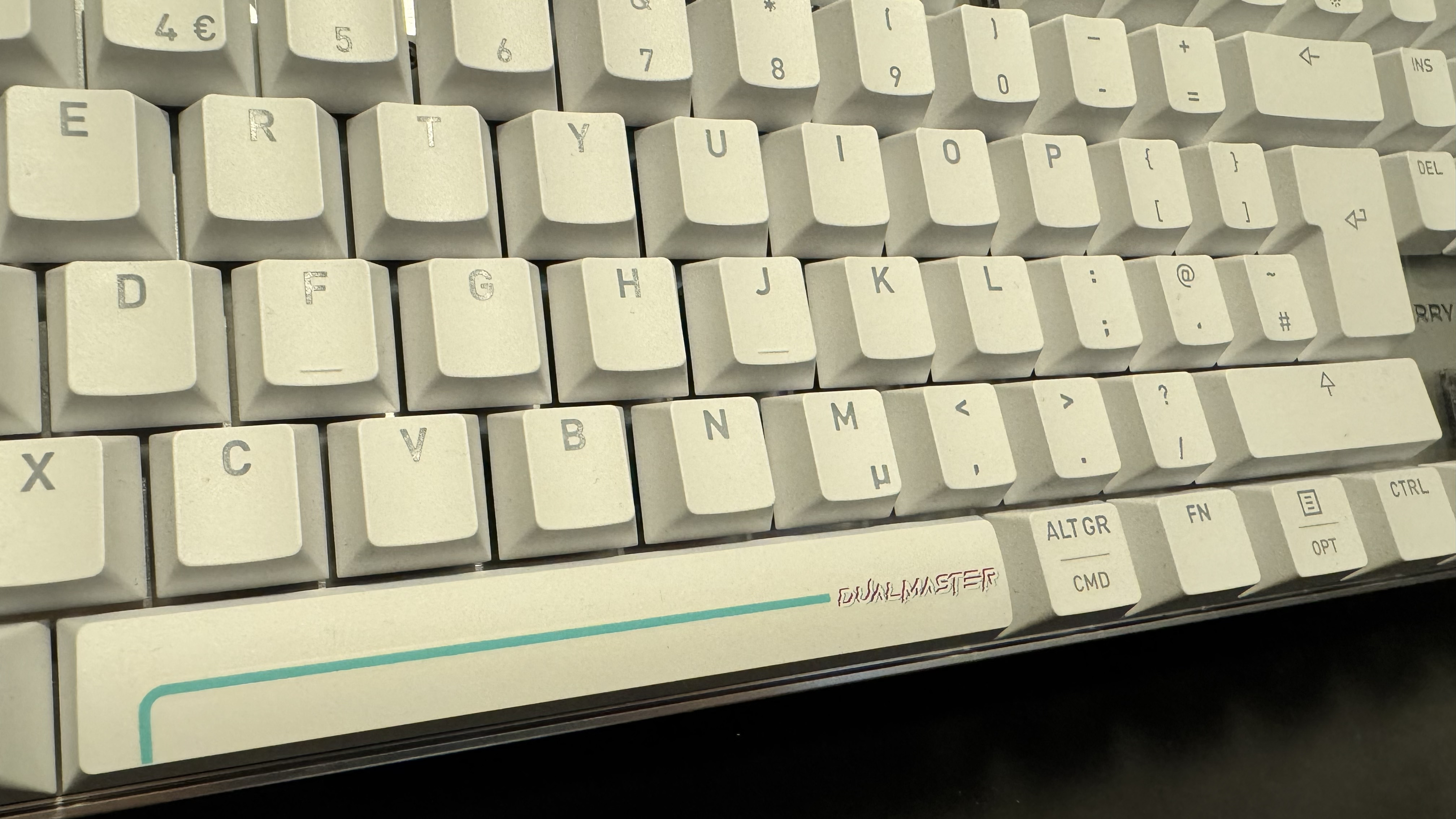
Otherwise, feel is incredibly important here, and I can say that the Xtrfy MX 8.2 Pro TMR TKL is lovely to type on. Keys press comfortably with a satisfying thock, and the PBT keycaps are smooth to the touch. Being TKL, I do miss my number keys, and I can't help but lament the lack of any media keys, but everything is spaced well and satisfying to tap.
It has five-layer sound dampening in the board itself, and though not super quiet, you can hear this dampening immediately, with a certain softness to the sound coming through while typing.
In competitive games, it whips too. It's super snappy for the likes of Counter-Strike 2, and most importantly, it's fairly comfortable. It doesn't have a wrist rest or anything, but its light size and easy-to-press keys reduce some strain. Importantly, the MX 8.2 Pro TMR TKL also has rapid trigger, which means it registers you letting go of a key as the key starts to go upward.
Is TMR the future of keyboard technology? I'd say 'yeah, probably'.
Traditionally, keyboards would have to hit a specific threshold, slowing down how quickly you can press keys consecutively. In the likes of Counter-Strike 2 and Valorant, where you are less accurate as you are moving, being able to stop instantly makes your aim just a little better.
In a single-player, slower game like The Seance of Blake Manor, the Cherry offers pretty much no benefit over a cheaper, less high-specced keyboard. The feel is certainly smooth, though not head and shoulders above similarly sized keyboards, so the Pro name says it all here.
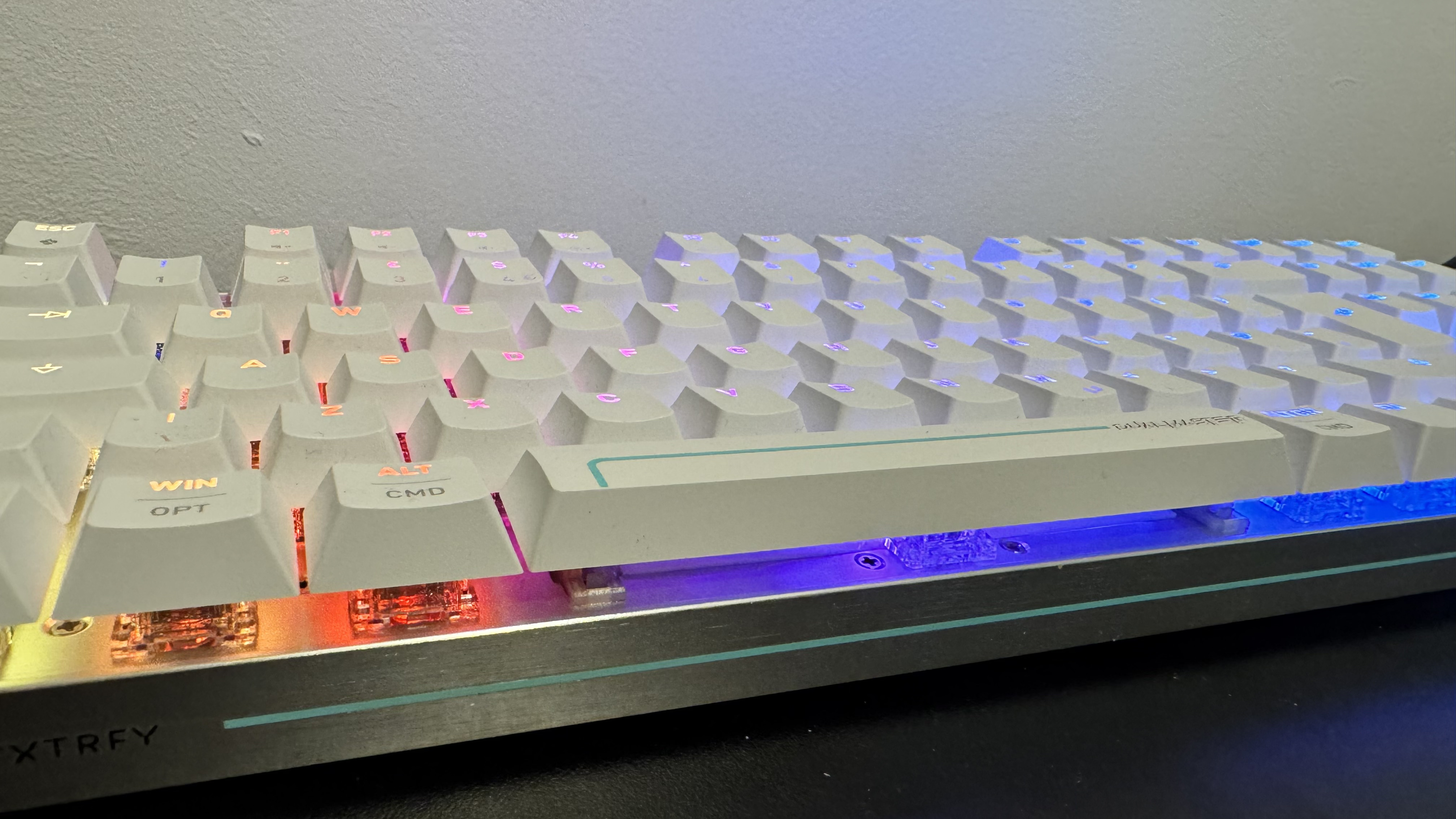
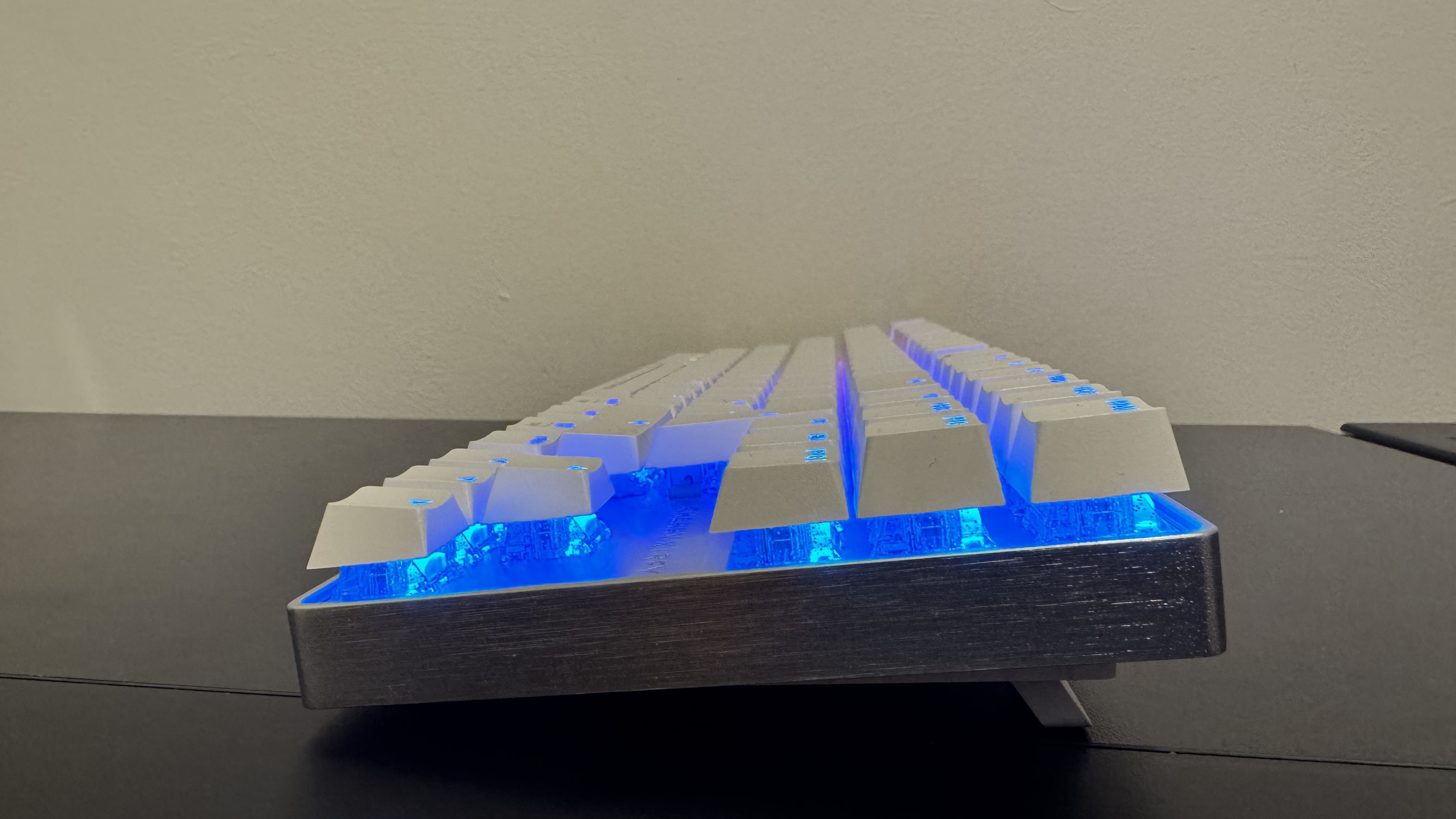
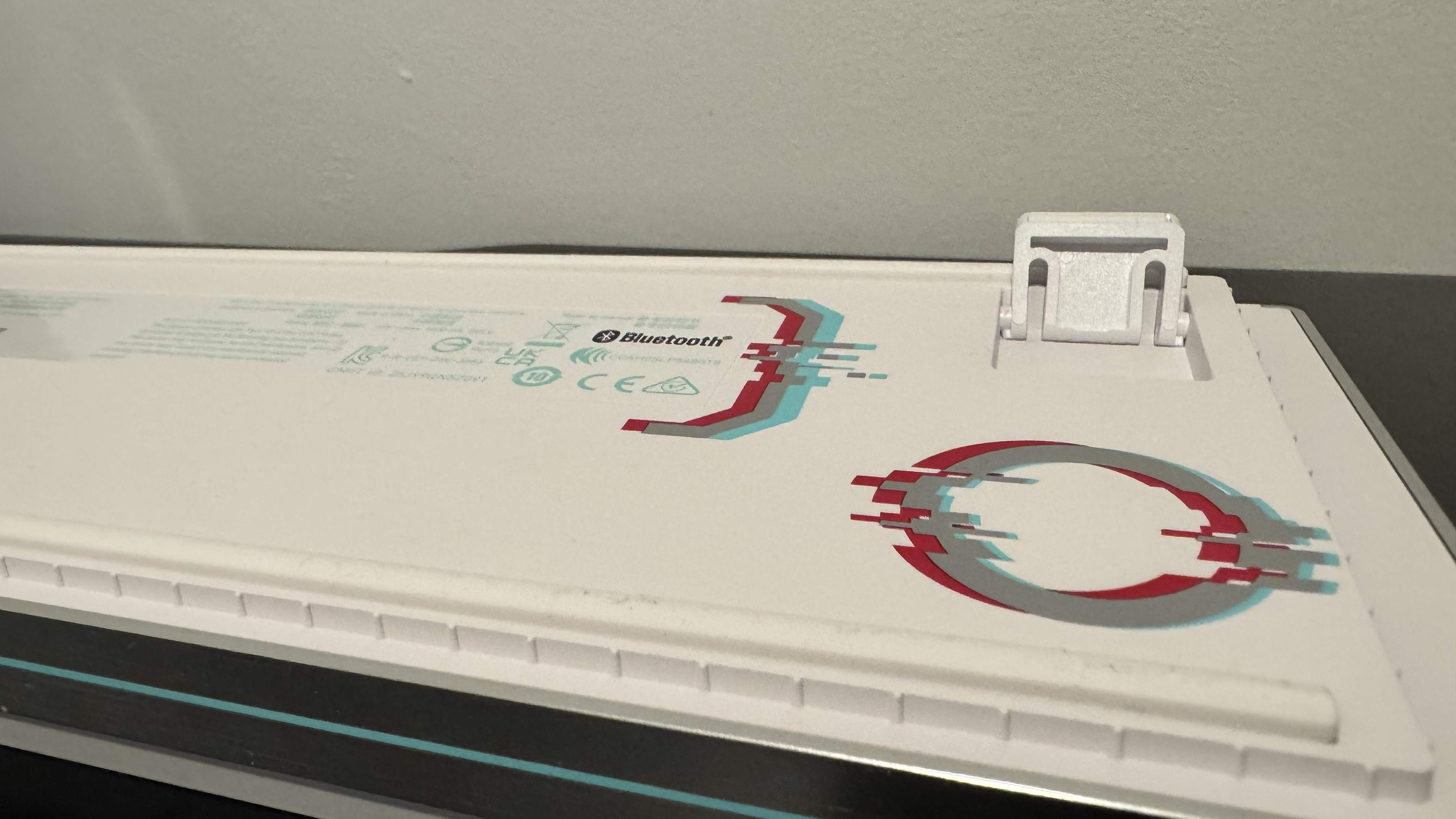
Each key also has Dynamic Keystroke (DKS), which means you can set up to four actions per key, based on chosen actuation. Keys can register input from 0.1 mm to 3.2mm, giving you a wide range for those inputs. This is particularly neat in a TKL board, as you can make up for the lack of some keys with some smart finetuning.
It also comes with snap tap, to allow one key to take precedence over another, based on which one was clicked last. This is particularly useful for strafing in games.
Is TMR the future of keyboard technology? I'd say 'yeah, probably'. It's a step up from Hall effect, which is already very good, and could allow for even higher spec keyboards in the future. It's not noticeably better, though, and I reckon most wouldn't be able to tell the difference (outside of maybe the battery life being stronger).
This does mean wireless keyboards could become an even stronger arena as TMR makes its way into the mainstream, but keyboards are arguably the peripheral that needs a wireless mode the least. After all, wires aren't too intrusive when attached to a stationery board.
It's ultimately that price that makes the Cherry Xtrfy MX 8.2 Pro TMR TKL feel so niche to me. You can get solid specs and Hall effect for as low as $40 in the Gamakay X Naughshark NS68, and Keychron's K2 HE even offers a tasty wooden trim, great switches, and notable battery life for $140. Logitech's G Pro X TKL Rapid is a very similar keyboard in size, look and feel, yet comes in at $80 less.
Naturally, none of these have TMR, but they do have their own unique selling points too; the Logitech keeb has a greater range of actuation, Gamakay has a much stronger price point, and Keychron has a far less garish look.
If you've got the cash for a $250 gaming keyboard, you could pick up the Asus ROG Azoth instead, which is not only expertly built and boasts a lovely aesthetic, but even comes with a neat OLED screen and media controls. And that was three years ago. That means you can certainly pick up the keeb for less than $250 if you shop around now.
✅ You want the hottest keeb tech: TMR in a gaming keyboard is very niche right now, but it's certainly well implemented here.
✅ You will actually use its competitive features: Do you know or care about Dynamic Keystroke and rapid trigger, and actually think you will use its precise actuation features to place at the top of the leaderboard? If yes, this may be worth a look.
❌ You aren't a very competitive gamer: If you mostly play single-player titles, this Cherry keeb is as overkill as its aesthetic.
❌ You're on a budget: $250 is a lot to spend on a gaming keyboard, especially when you can get something that offers just as much for less.
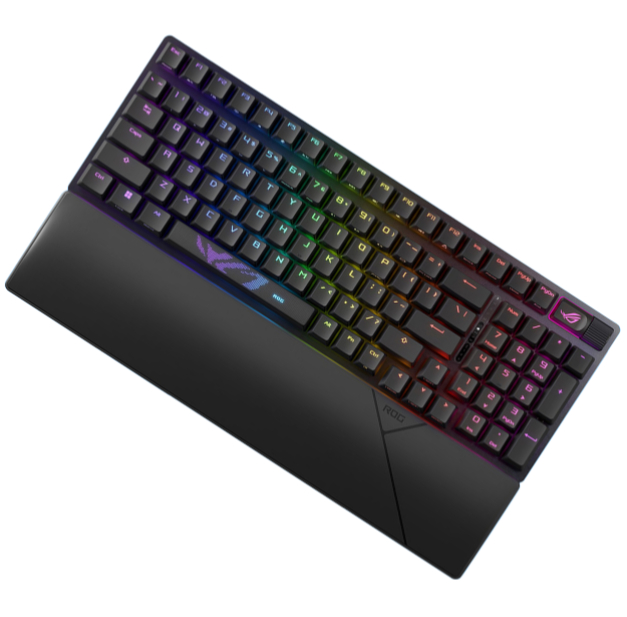
This is all before mentioning the Asus ROG Strix Scope II 96 Wireless, the best gaming keyboard out there right now. With it, you're getting excellent switches, a great sound, solid media controls, and a neat look.
But for 90% of people, any of the above suggestions feel like a better (and likely cheaper) choice. That's not because the MX 8.2 Pro TMR TKL is bad; it's just because its price is a really tough sell right now.
Cherry has found itself in an unenviable position as of late. Losing tens of millions of dollars last year, it has been considering selling part of its company. This puts its new range of TMR keyboards in a bit of a strange light. And, in a sense, I respect the choice to focus on budding technology and unique builds. That's something I'd certainly like to see more of from Cherry, even if it's a little too early for that to fully pay off yet.
The problem with getting to that market early is that you have to stomach all the costs associated with it, and I struggle with the MX 8.2 Pro TMR TKL because I don't think it will be all that long before someone else does it better, in a wider range of boards—and likely for cheaper, too.
1. Best overall:
Asus ROG Strix Scope II 96 Wireless
2. Best budget:
Gamakay x Naughshark NS68
3. Best mid-range:
Ducky Zero 6108
4. Best rapid trigger:
Wooting 80HE
5. Best wireless rapid trigger:
Keychron K2 HE
6. Best silent:
Be Quiet! Light Mount
7. Best tenkeyless:
Keychron Q3 Max
8. Best low profile:
NuPhy Air60 HE
9. Best ergonomic:
Kinesis Freestyle Edge RGB
10. Best membrane:
Roccat Magma
TMR may just be the "future of magnetic keyboards", but Cherry is perhaps a little too early to that future, and a lot too expensive.

You must confirm your public display name before commenting
Please logout and then login again, you will then be prompted to enter your display name.