The venerable Oxford English Dictionary (OED) is perhaps the most comprehensive attempt humans have ever made to nail down the wonderfully wriggly English language and, over 140 years after the first volume was published, is still battling against the tides. In recent times, one of the tricks publisher Oxford University Press (OUP) has used to maintain interest is to make its "word or phrase of the year" a very internet-aware prize: in 2013 the winner was "selfie", in 2015 it went to the "emoji tears of joy", and in 2022 the gong went to "goblin mode."
These days the process involves a public vote (based on a shortlist produced by the OED), which informs the final decision made by its stern-faced lexicographers. "Rage bait" beat out "aura farming" and "biohack" to scoop the title.

Casper Grathwohl, president of Oxford Languages, takes the admirably optimistic view that this choice reflects an increasing media-savviness about online tactics.
"The fact that the word rage bait exists and has seen such a dramatic surge in usage means we're increasingly aware of the manipulation tactics we can be drawn into online," says Grathwohl.
"Before, the internet was focused on grabbing our attention by sparking curiosity in exchange for clicks, but now we've seen a dramatic shift to it hijacking and influencing our emotions, and how we respond. It feels like the natural progression in an ongoing conversation about what it means to be human in a tech-driven world—and the extremes of online culture."
Grathwohl also links "rage bait" to last year's winner "brain rot."
"Together, they form a powerful cycle where outrage sparks engagement, algorithms amplify it, and constant exposure leaves us mentally exhausted."
Well… when you're right, you're right. But do pour one out for "aura farming" which would've been an equally good shout as winner: the OED defines this as "The cultivation of an impressive, attractive, or charismatic persona or public image by behaving or presenting oneself in a way intended subtly to convey an air of confidence, coolness, or mystique." But perhaps they're just rage baiting me.
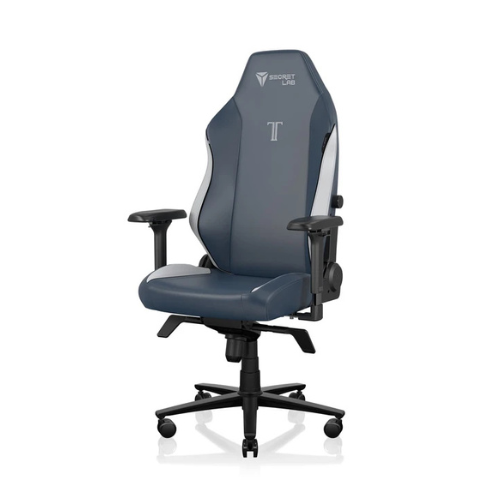
1. Best gaming chair: Secretlab Titan Evo
2. Best gaming desk: Secretlab Magnus Pro XL
3. Best gaming headset: Razer BlackShark V3
4. Best gaming keyboard: Asus ROG Strix Scope II 96 Wireless
5. Best gaming mouse: Razer DeathAdder V4 Pro
6. Best PC controller: GameSir G7 Pro
7. Best steering wheel: Logitech G Pro Racing Wheel
8. Best microphone: Shure MV6 USB Gaming Microphone
9. Best webcam: Elgato Facecam MK.2

You must confirm your public display name before commenting
Please logout and then login again, you will then be prompted to enter your display name.