Join The Club





Max Payne and Alan Wake developer Remedy Entertainment has spent most of its life making third-person shooters. Its 2019 hit Control, which gave you some telekinetic powers but also a transforming pistol, mostly stuck to that format—while also proving that the third-person shooting really isn't why anyone's playing Remedy games.
"Finally, mainstream sci-fi that isn't spaceships and militarism and hot green men," James said—and with those words ringing in your ears, perhaps it's not surprising at all that Control's sequel seems to be ditching Remedy's tried-and-true third-person shooting to become… Bayonetta?
Article continues belowGame spin-offs gleefully hop genres all the time, but how often do direct sequels make such dramatic pivots? Resonant got us pondering. Here are some of the best examples we've come up with from the annals of PC gaming (and a few that aren't technically direct sequels, but we couldn't resist including them anyway).
Fallout 3
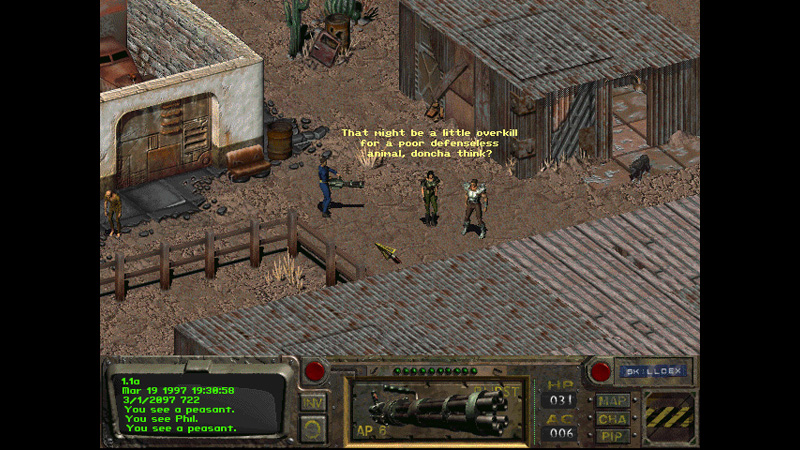
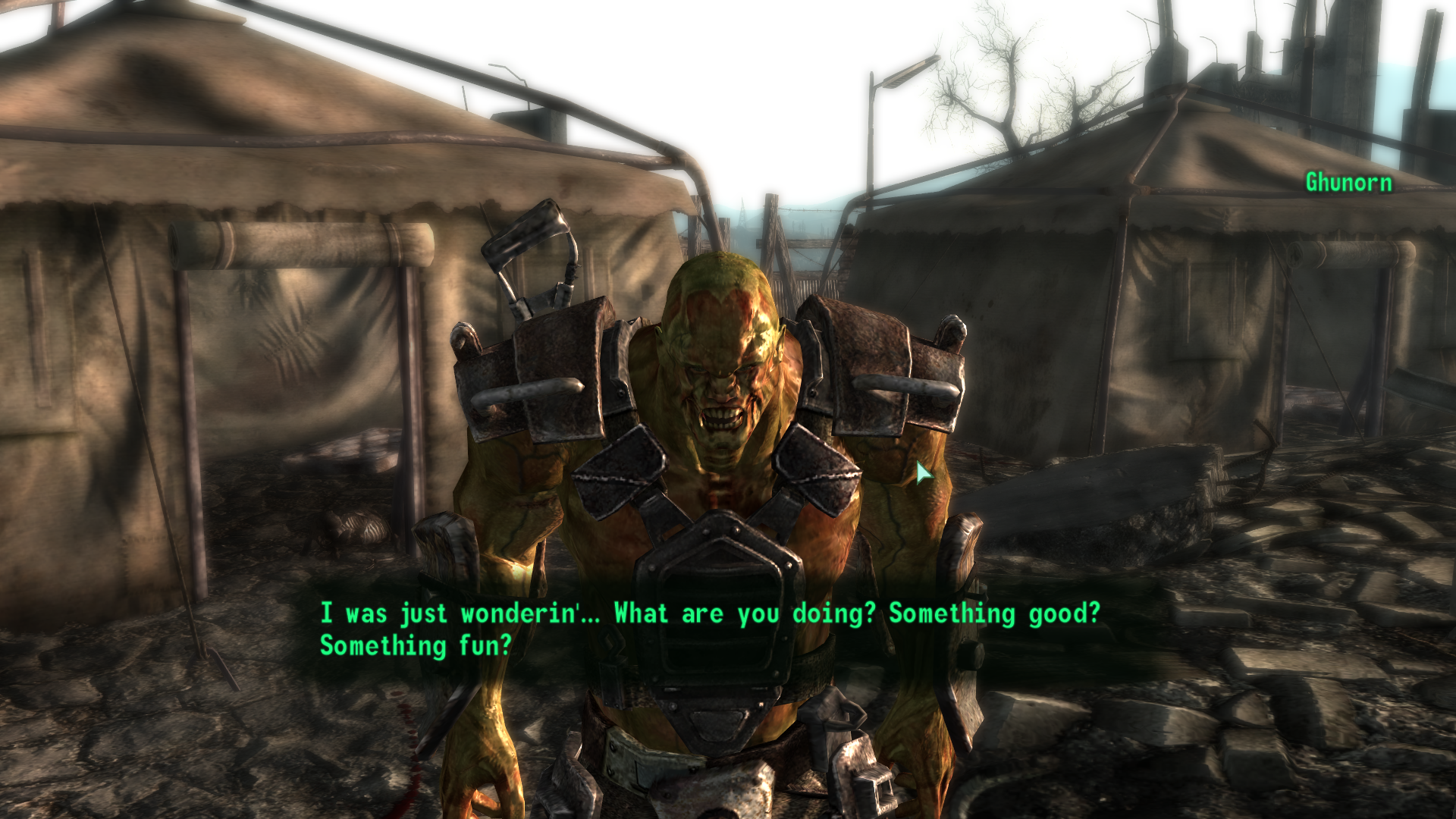
Bethesda threw fans for a loop when they bought the rights to Fallout and shifted Interplay's series from isometric turn-based games into first- and third-person action RPGs. Many Fallout fans were repulsed by the genre switch-up (I'd be willing to bet some still are) but it'd be hard to argue that Bethesda's gamble didn't pay off big. — Christopher Livingston, Senior Vault Dweller
Helldivers 2
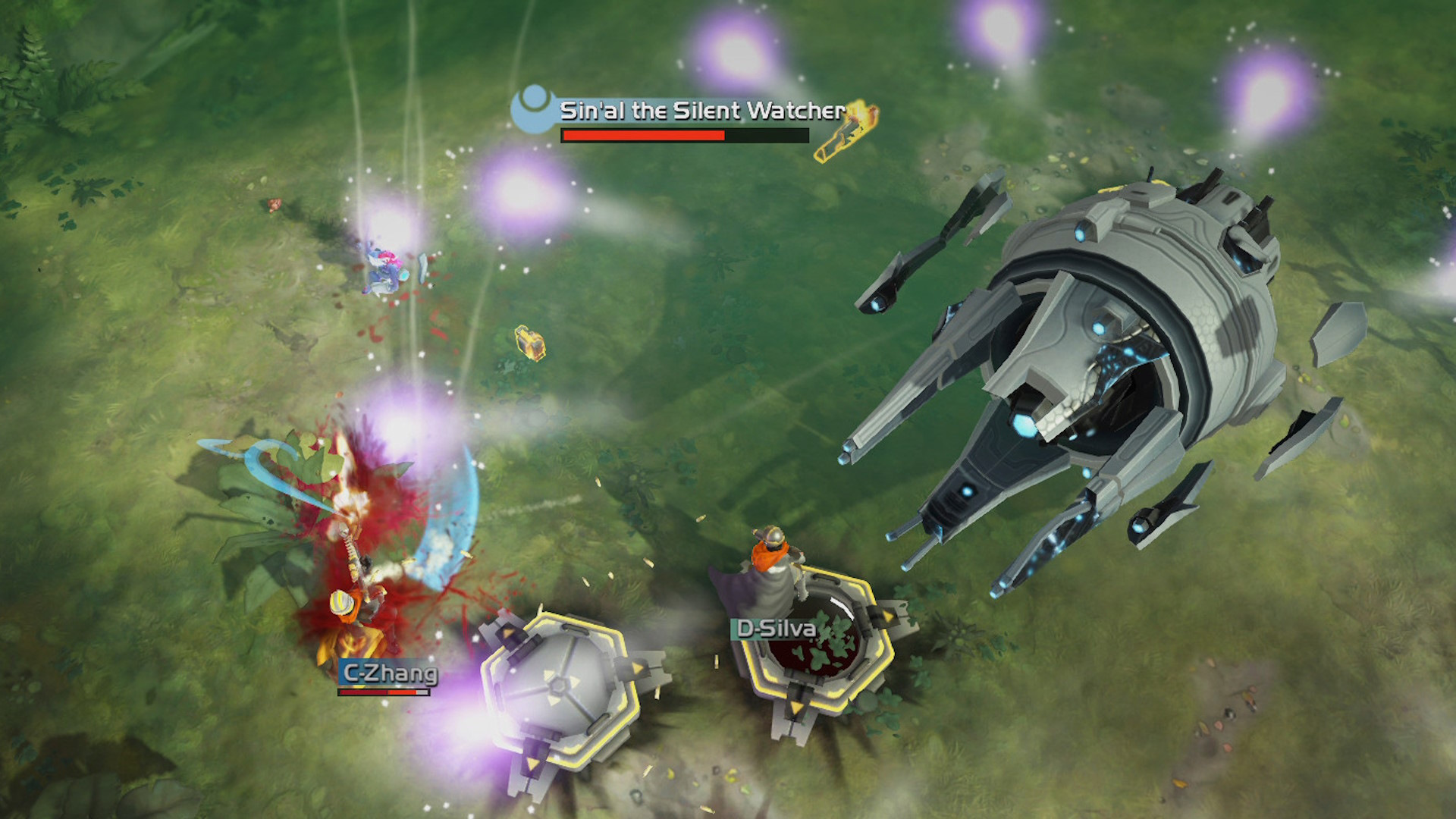
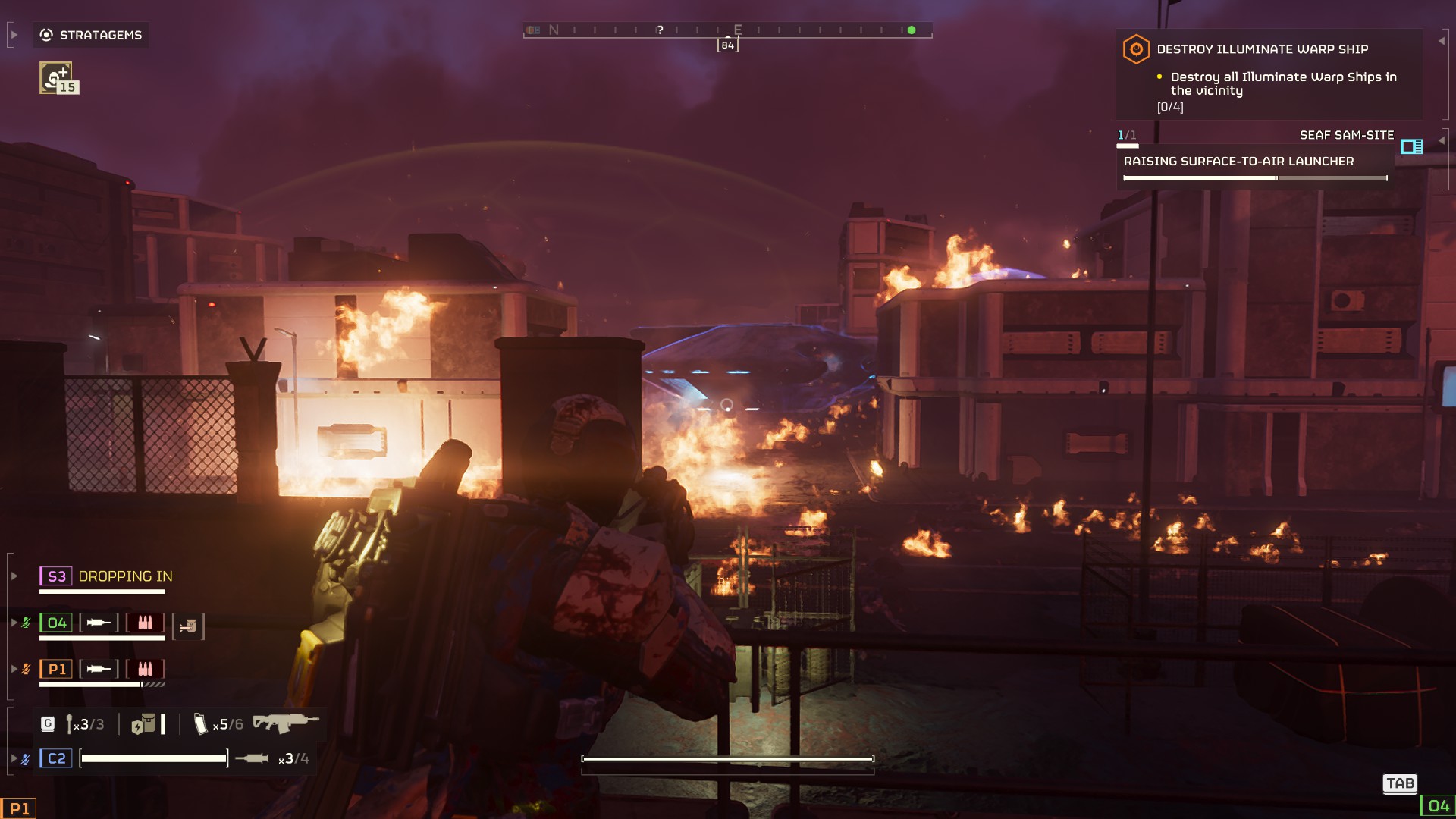
The first Helldivers was a twin-stick shooter played from a MOBA-like perspective (to use a modern reference point), while the sequel is a third-person shooter. Not the wildest genre shift as they're both shooters, but an extremely successful one. — Tyler Wilde, US EIC
Police Quest: SWAT
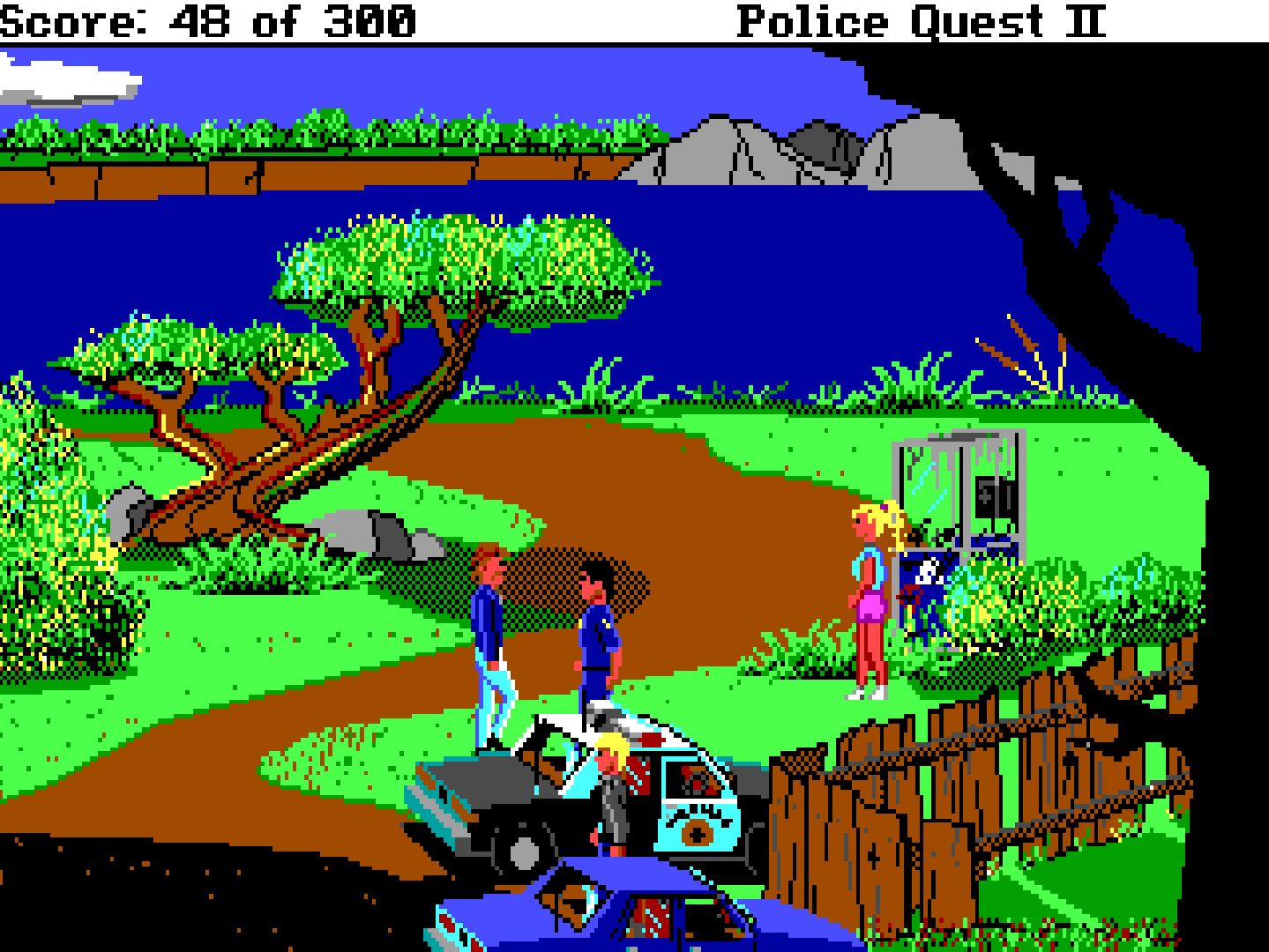
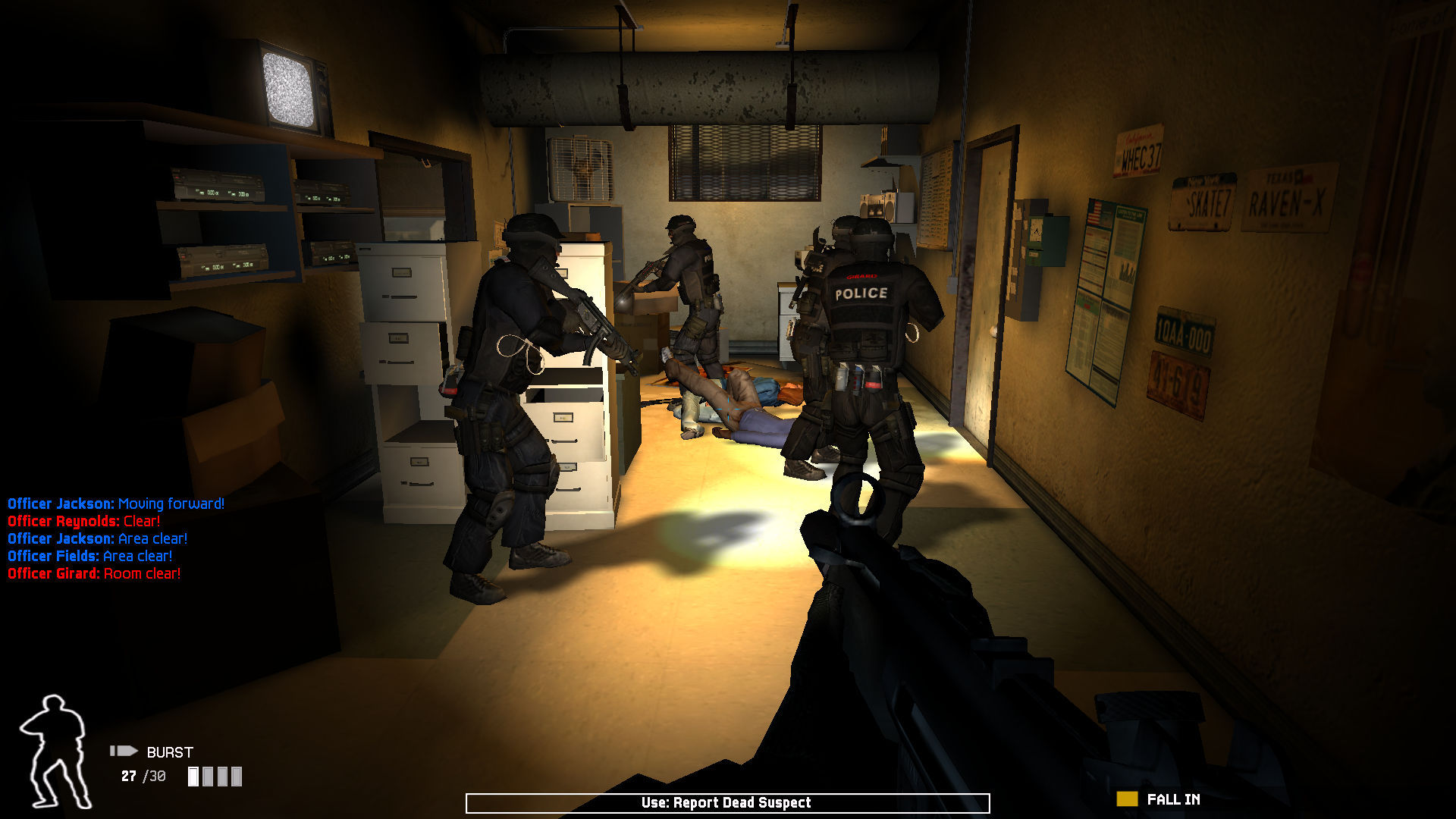
This one is weird. The series started in the '80s as police procedural point-and-click adventure games, and then morphed into the isometric tactics game Police Quest: SWAT 2, and then into the SWAT first-person shooters. Arguably the SWAT games are spin-offs and not sequels, but that seems like a modern distinction to me. Technology was changing so fast back then that it was common for a series to transform substantially from game to game, like when every 2D platformer got its inevitable 3D sequel. — Tyler Wilde
Duke Nukem 3D
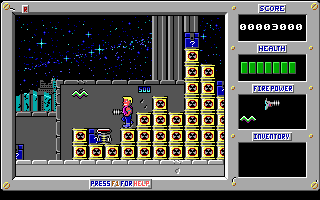
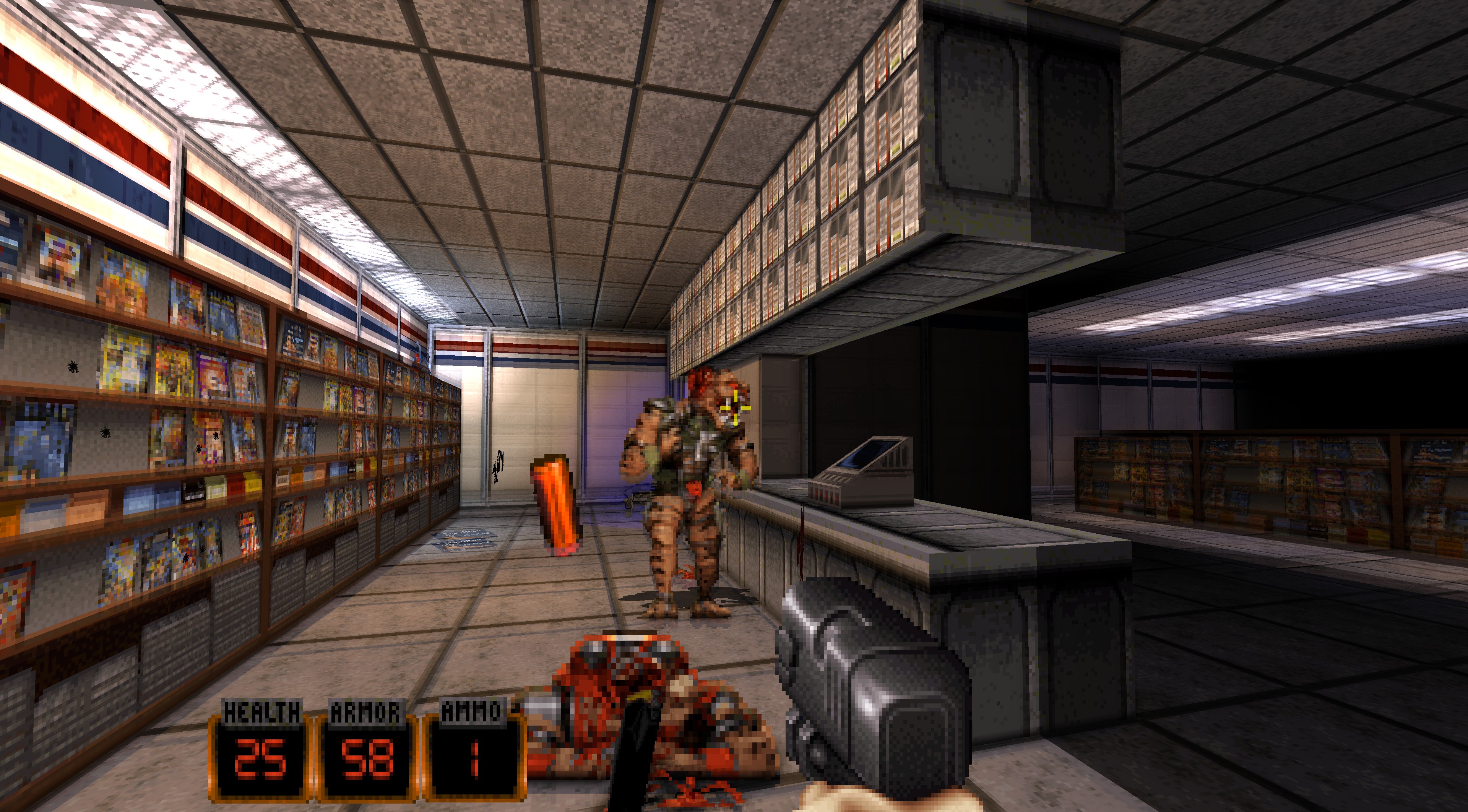
I have a vague childhood memory of an uncle showing me Duke Nukem, then a 2D platformer hero, on his chunky '90s laptop. It didn't grab me the way id Software's Commander Keen would soon after; I guess if id hadn't pivoted from Keen to Wolfenstein 3D and then Doom, the company's first shooter could've ended up mirroring the arc that Apogee took by transforming Duke Nukem into an FPS hero. Decades later, Duke 3D is still a great shooter thanks to some really cool level design. The shift from 2D platformer to 3D FPS was so dramatic the first two Duke games are more or less irrelevant to what the series (and character) became after. Heck, even Duke Nukem for the Game Boy Advance was an FPS. If ever there'd been a time to go back to platforming, that was it. — Wes Fenlon, Senior Editor
Yakuza: Like A Dragon
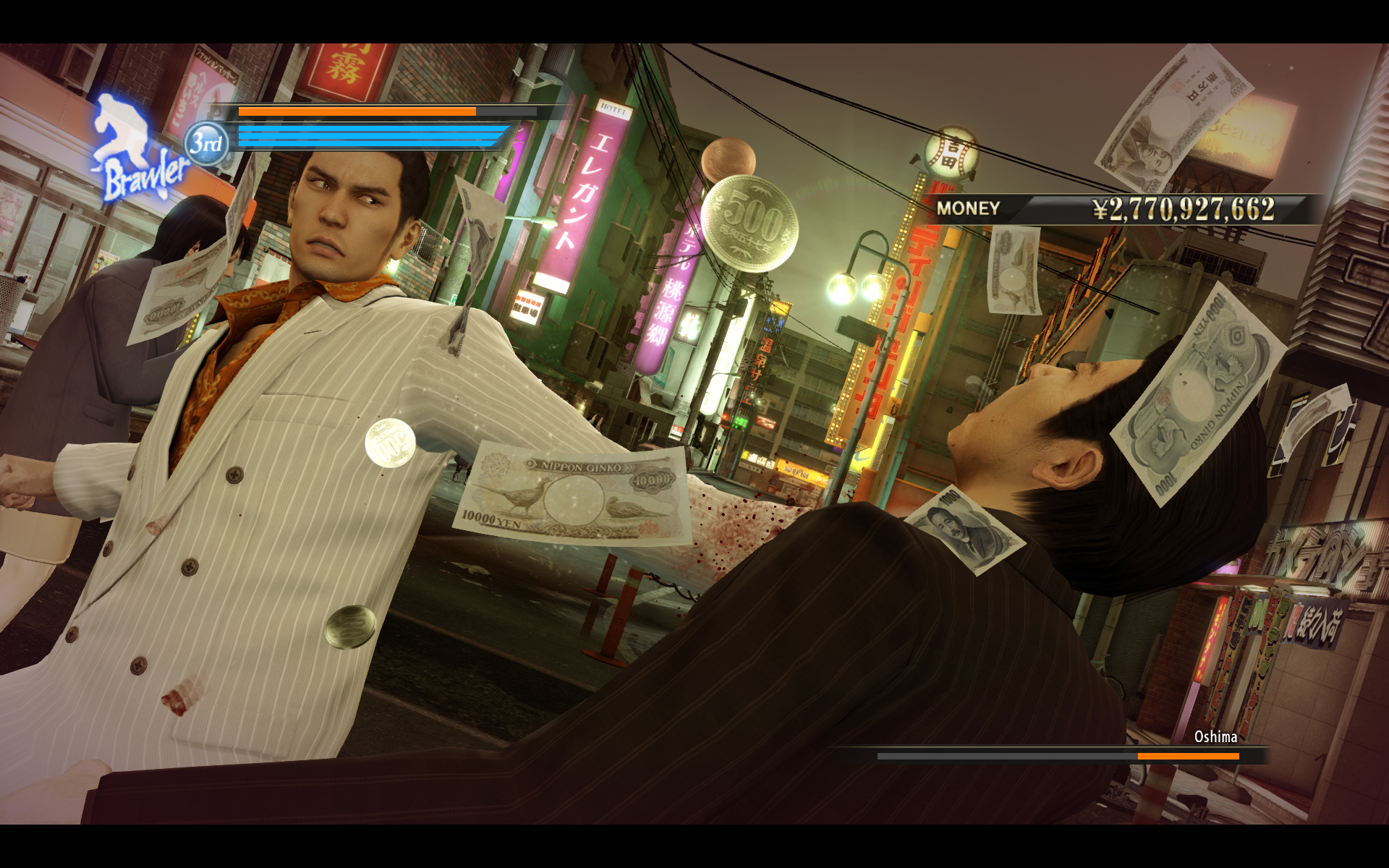
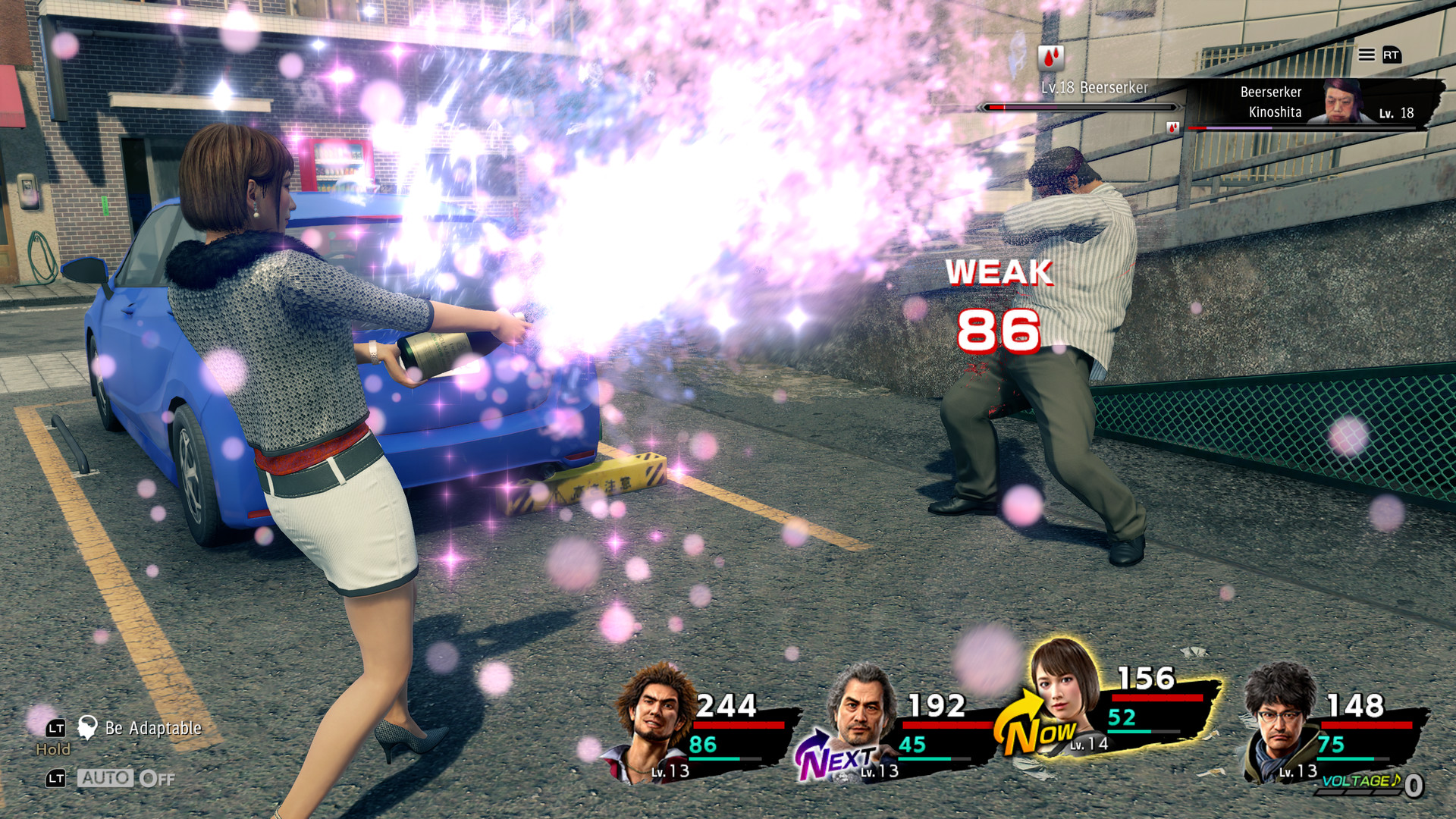
After six mainline games and a sequel all basically set in the same fictionalized version of Kabukichō with the same terminally stoic protagonist and the same street brawling battle system, Ryu Go Gotoku Studio turned the Yakuza series into an open world turn-based RPG. I was totally prepared for it to flop.
It turned out that giving the series a new aggressively optimistic lead and letting him do turn-based QTEs to slap evil tourists with stacks of cash and then executing perfect guards against bears in a park was every bit as fun as Kiryu's old fisticuff combos. Lucky for Ichiban, what's old is hot again. — Lauren Morton, Lead SEO Editor
Syndicate
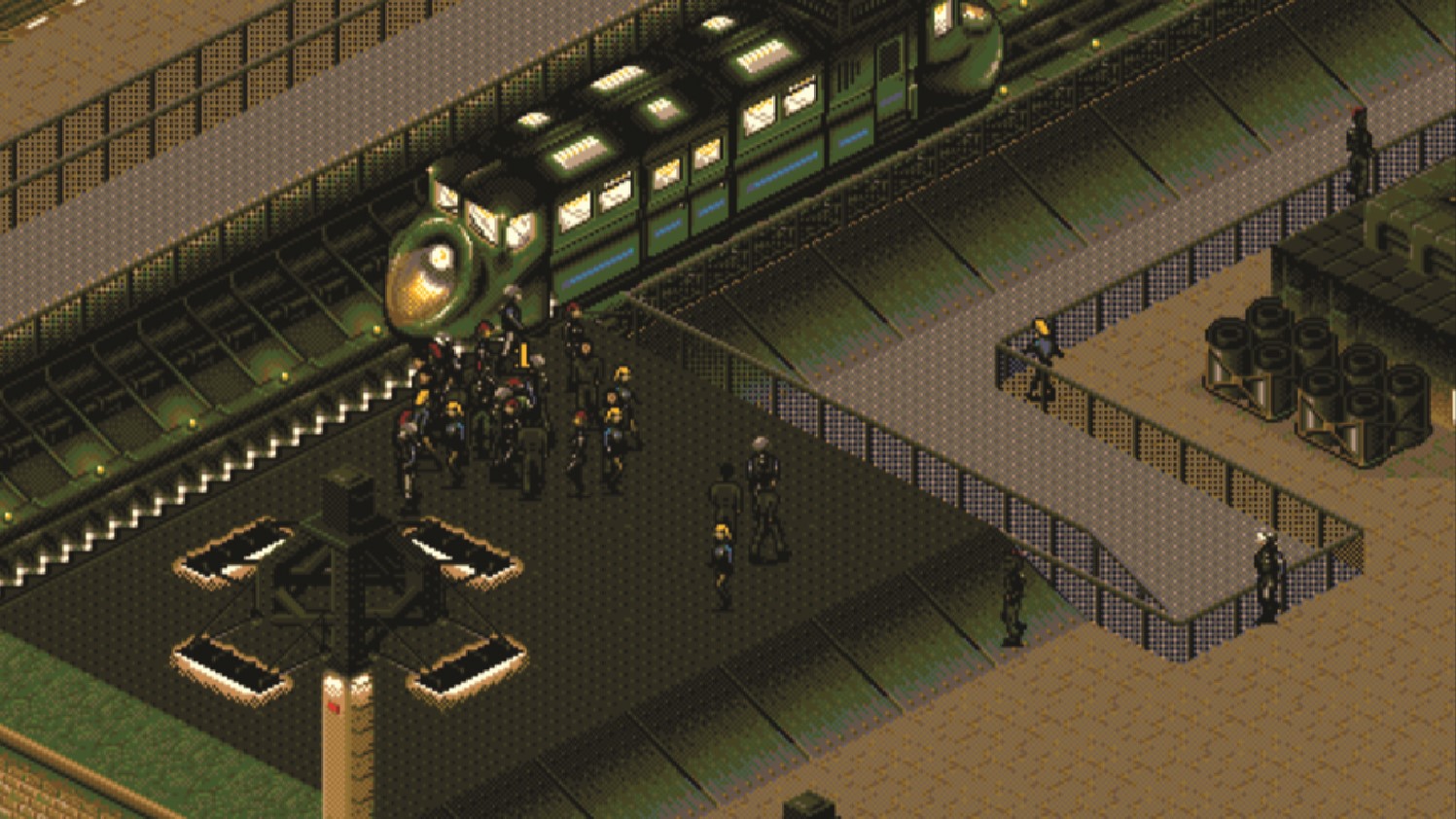
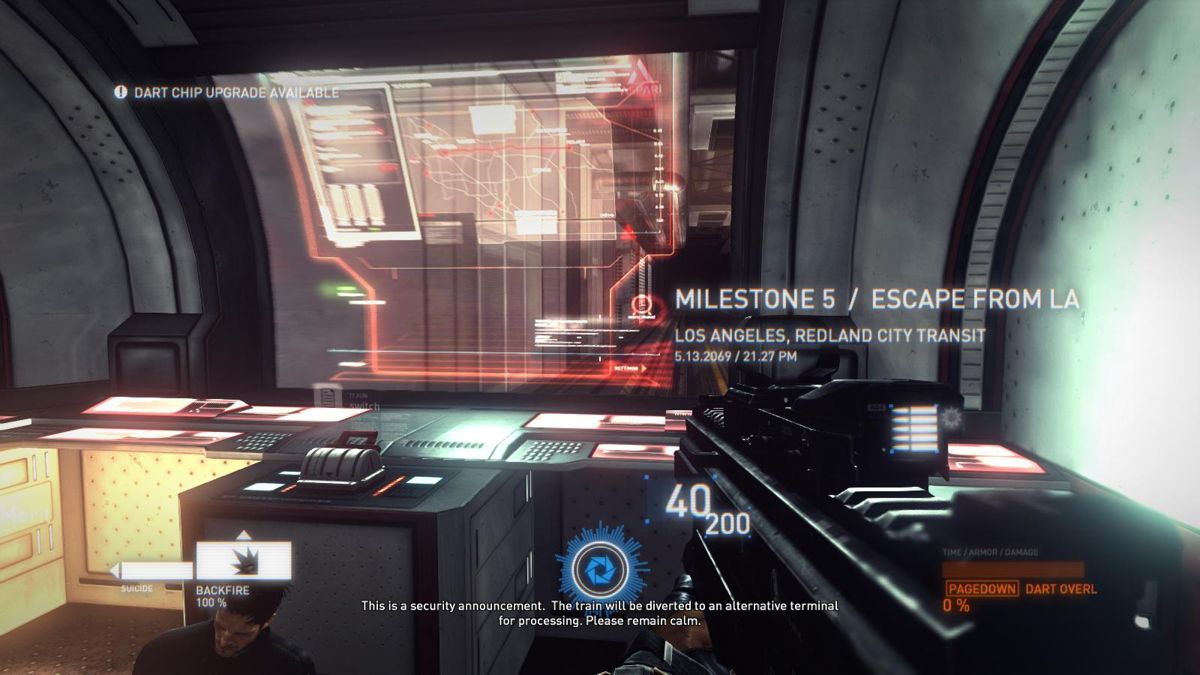
The original Syndicate, released by Bullfrog in 1993 when Peter Molyneux was at the height of his powers, was a critically acclaimed, extremely violent cyberpunk RTS in which players led a squad of enhanced agents in a war for corporate control of the planet. The 2012 follow-up, developed by Starbreeze—technically a reboot rather than a sequel, but let's not squabble—used the same name and corporate war narrative, but turned it into a story-driven singleplayer FPS.
The 2012 version was definitely not critically acclaimed and sold poorly, but I'll tell you this: It's a far better shooter than it generally gets credit for, and deserved better than it got. — Andy Chalk, NA News Agent
Half-Life: Alyx
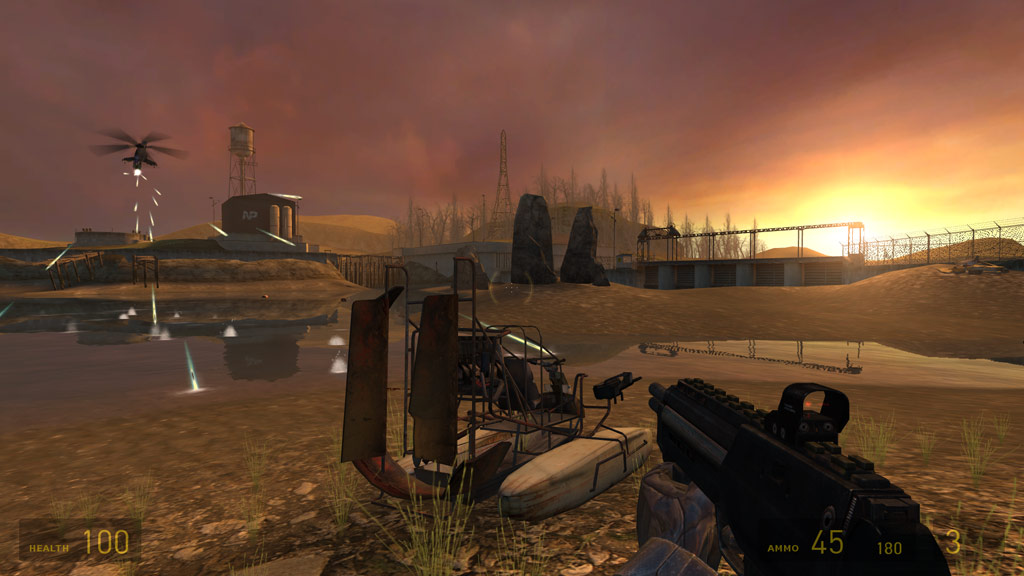
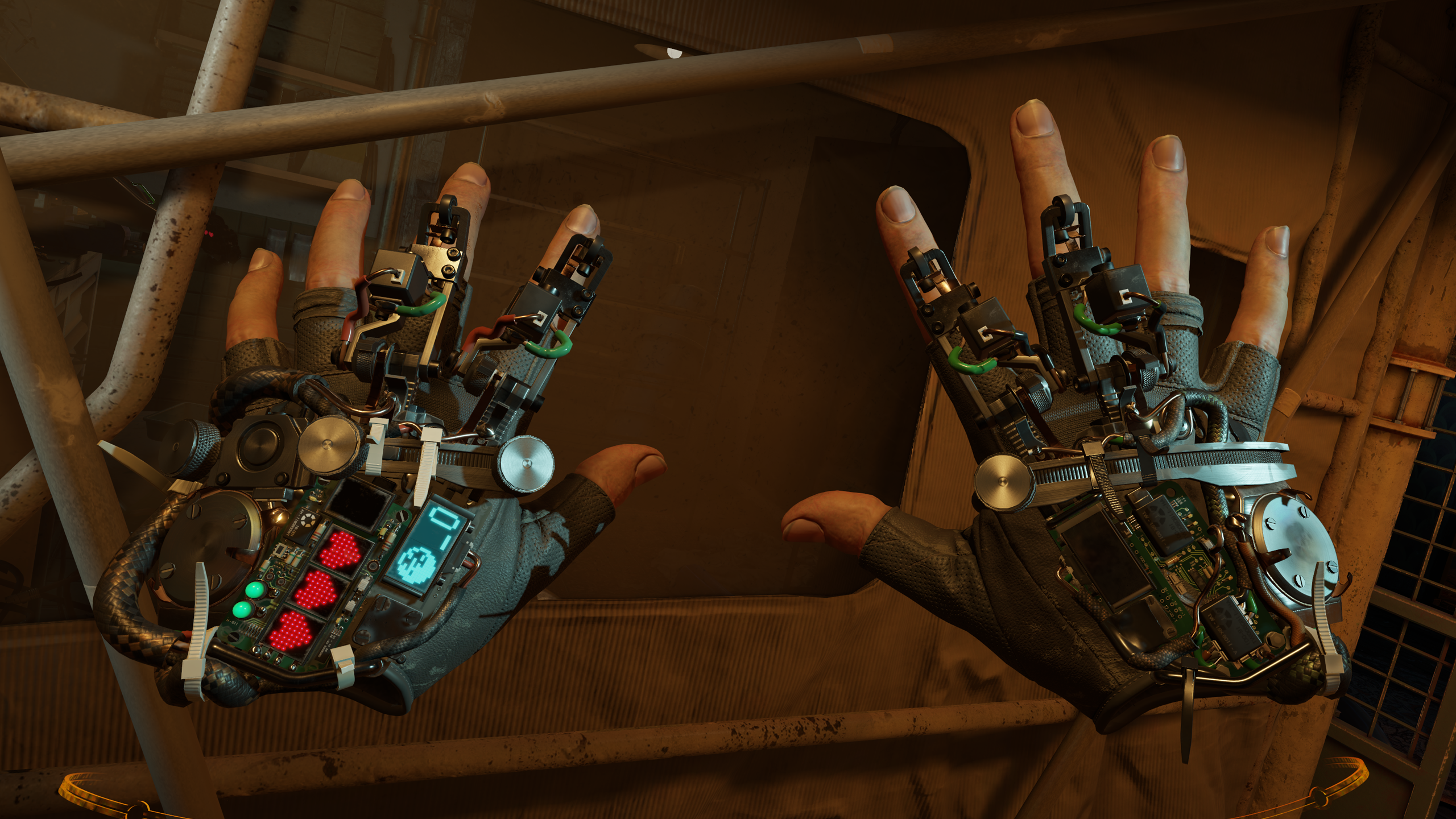
It's still a shooter, sure, and not exactly a sequel, no, but it's definitely a pivot, going from a game everyone can play on their desktop to a game you need to buy a whole buncha new hardware to access. And gosh, who just happens to be selling a whole buncha new hardware? How convenient.
Locking a game fans had been waiting almost 20 years for behind a VR paywall is a pretty bold move, and even though I loved it, I'd still have preferred a new non-VR Half-Life game. But, Valve gonna Valve. — Christopher Livingston
Red Dead Redemption
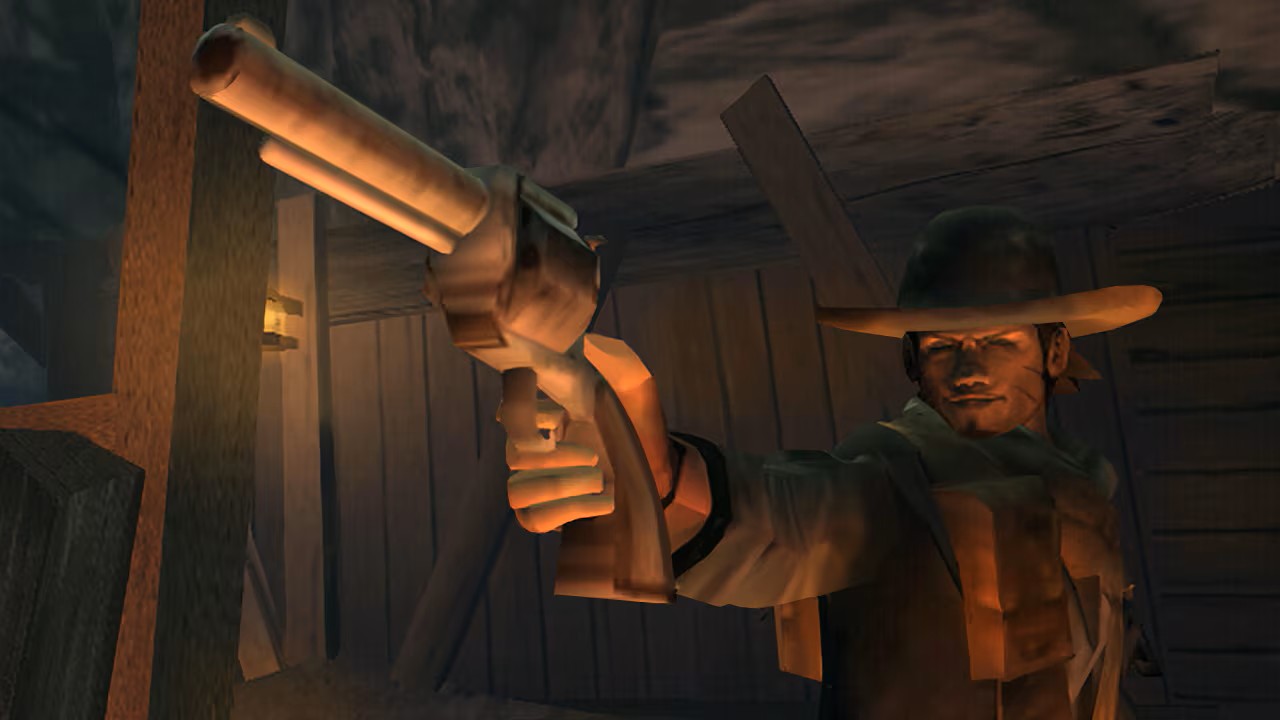
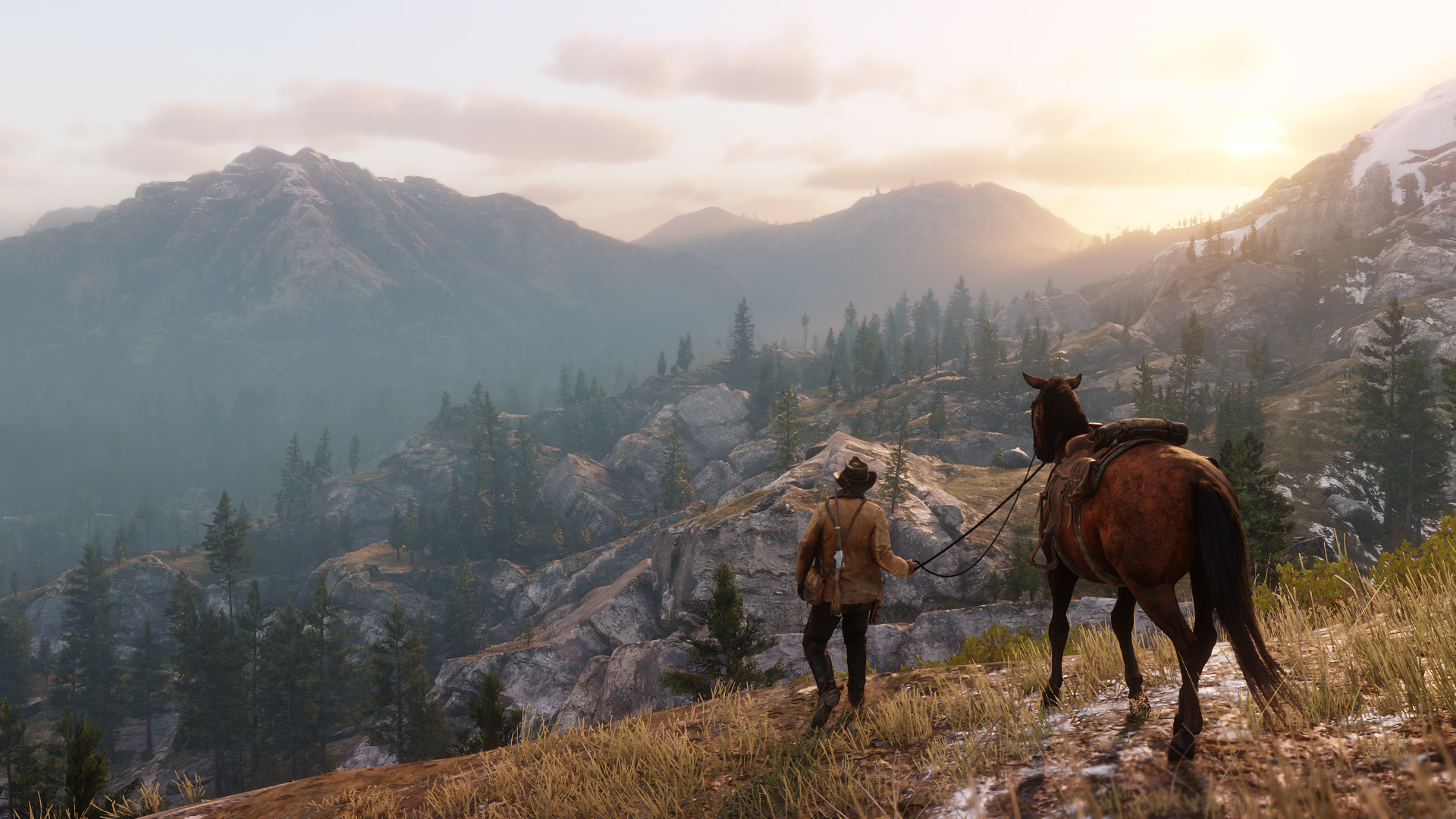
It's not news to fans of the series, but Red Dead didn't begin with John Marston's iconic first outing in Redemption. It really began way back in 2004 with Red Dead Revolver, which was embroiled in a bit of a development nightmare as it changed hands from Capcom to Rockstar. It's a level-based, very arcade-feeling shoot 'em up that struggles to juggle its story of revenge with awkward comedy. It is fun, though.
Six years later, Rockstar returned with an open world game with a much more serious tone. It's so radically different from its predecessor that it's hard to imagine that it's even the same series, especially as Red Dead Redemption 2 doubled down on the new direction. I can't imagine a boss fight against a rather flatulent gangster ever taking place in Rockstar's new vision for the series. At this point, Revolver is the black sheep, a strange start to one of gaming's most prestigious series that'll be left in the dust. — Rory Norris, Guides Writer
Return to Zork
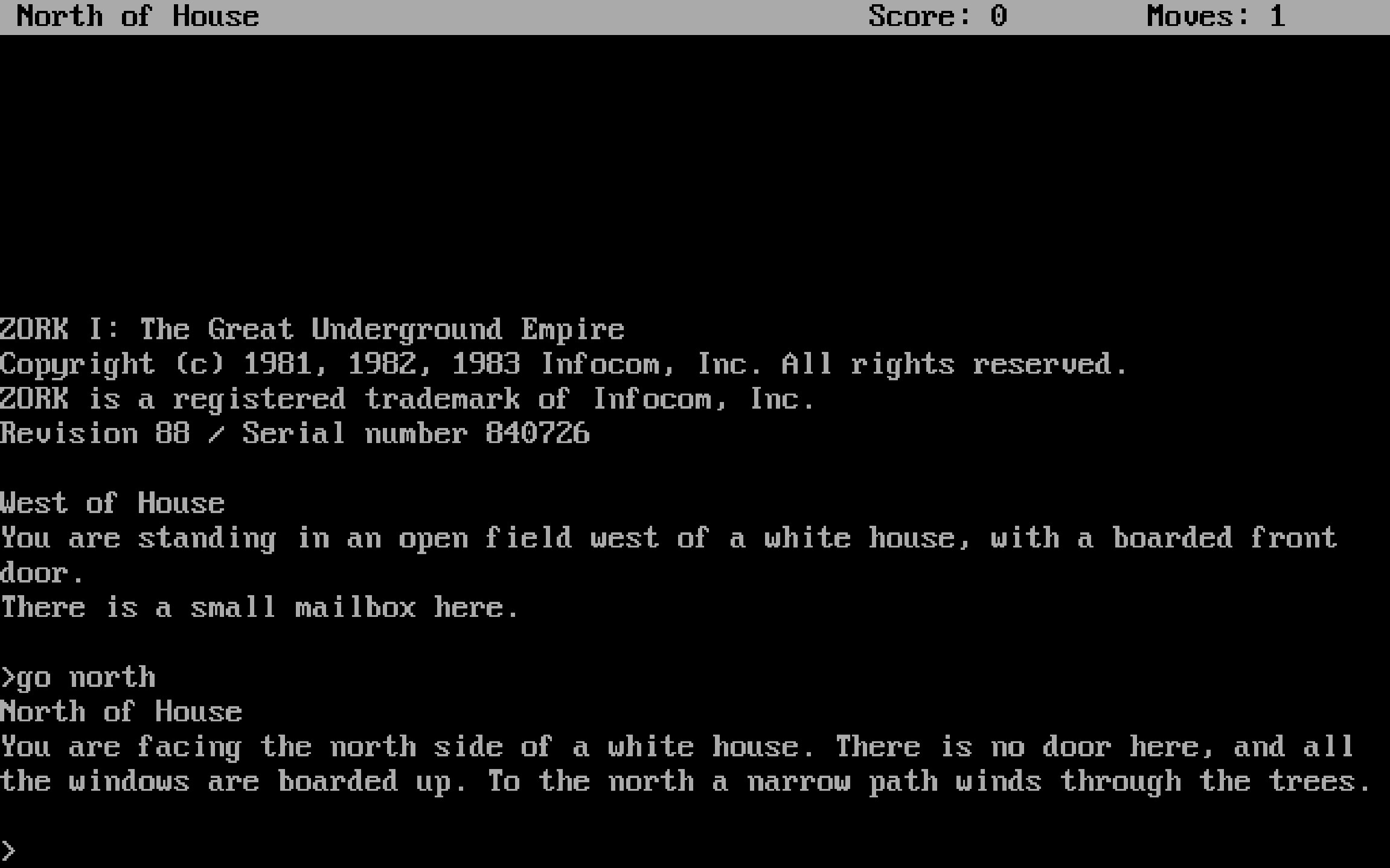
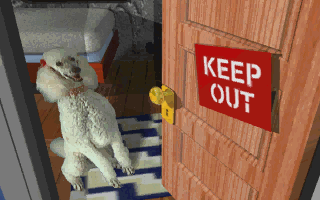
The transition from text adventure to graphical adventure in 1993's Return to Zork was a big deal. If you weren't there for it: Yes, of course there were people mad that adventure games were abandoning their text-based roots. Sellouts!
I really only bring this up because I take any opportunity to recommend the last-ever Zork game, The Grand Inquisitor. It's on Steam and is still good, even if the tiny resolution of the FMV scenes and pre-rendered environments does kinda suck. —Tyler
Dune 2
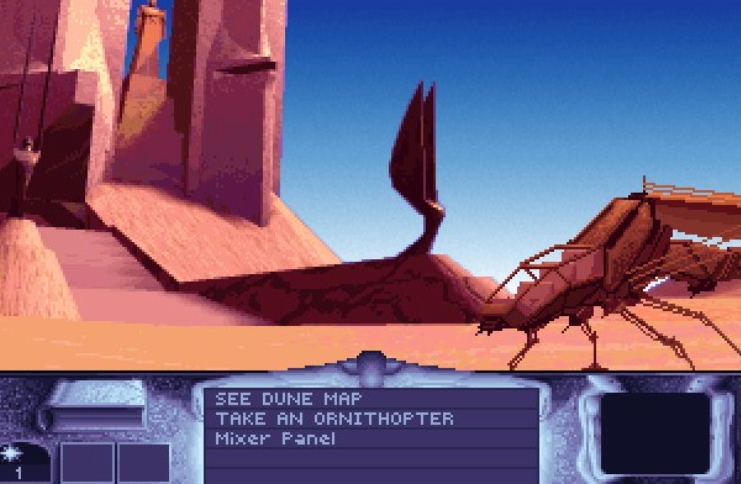
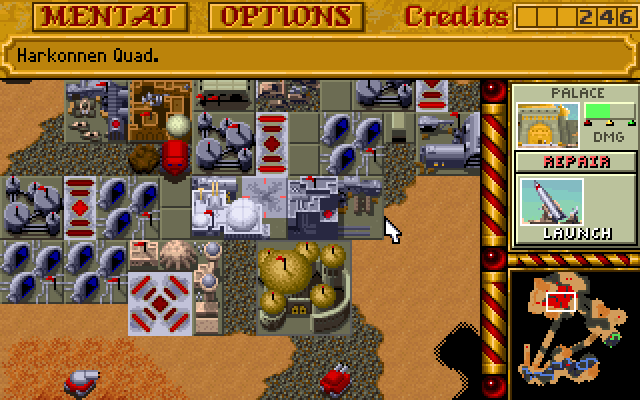
The most significant genre shift ever? Westwood's Dune 2 served as a sequel to an adventure game starring Paul Atreides, shifting focus to real-time strategy and ultimately setting the template for Warcraft and Command & Conquer. While that adventure game (simply titled Dune) did also delve into strategy, it was more in the big picture sense as you took over the spice mining operations on Arrakis and built up armies to defend your territory in between point-and-click segments. Dune 2 focused in on controlling units and building bases instead, and, well, the rest was RTS history.
If you want to split hairs, Dune 2 wasn't really developed as a sequel; it was in the works simultaneously with Cryo Interactive's Dune, and got slapped with the sequel name when that first game survived a narrow brush with cancelation from publisher Virgin Interactive. Sometimes all it takes to make history is a happy accident. — Wes Fenlon
Grand Theft Auto 3
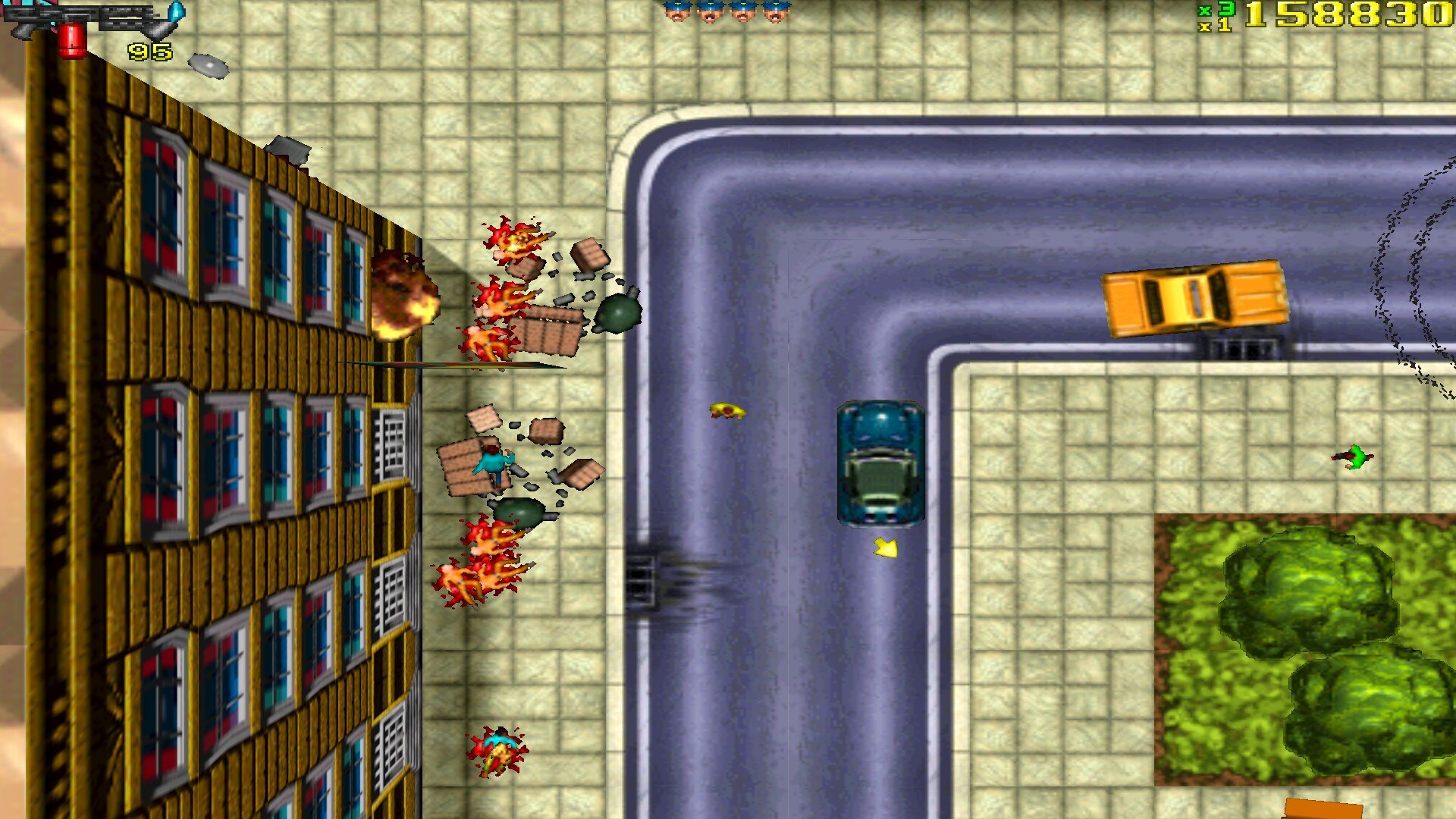
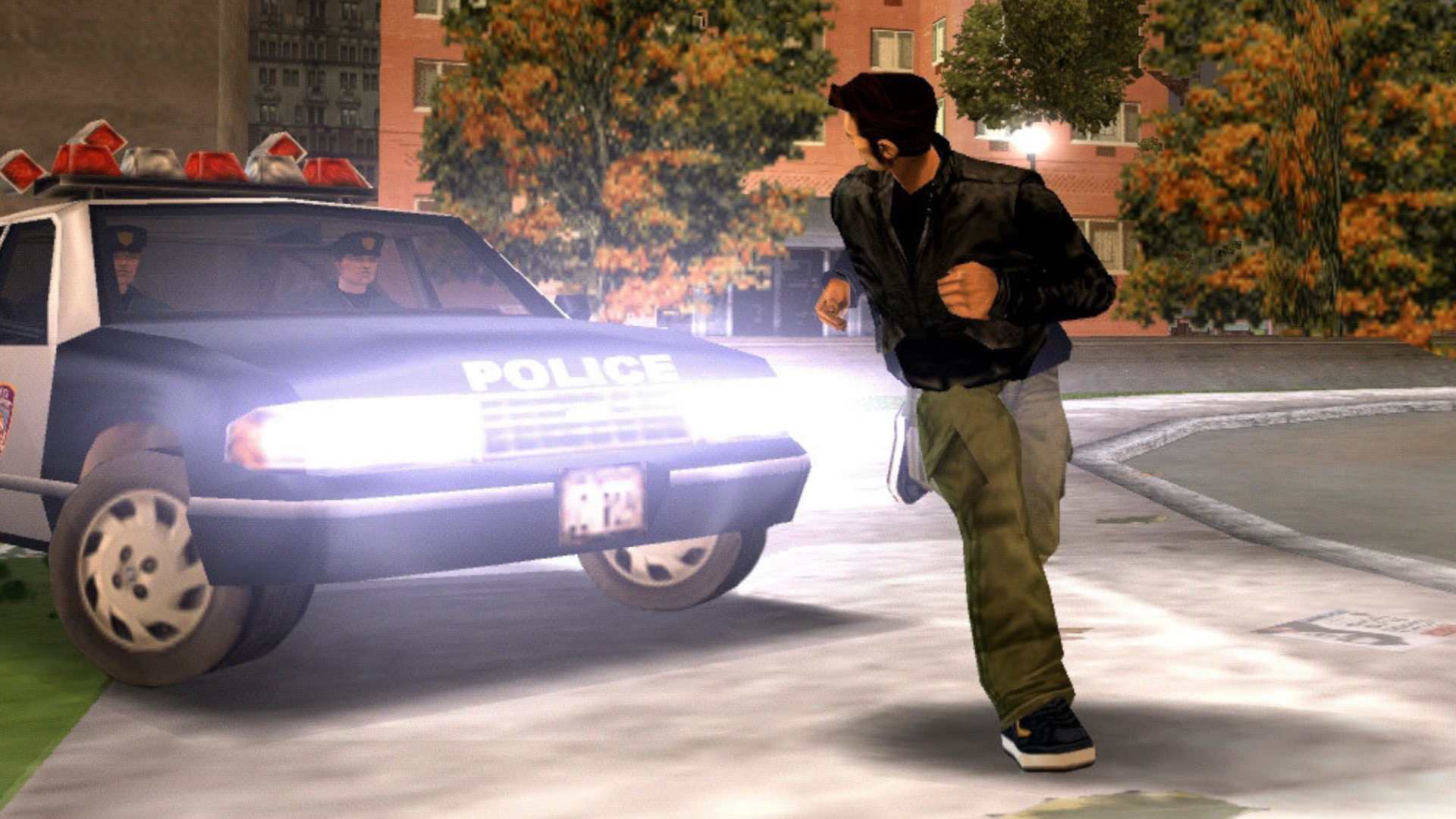
Okay, no, this was the most significant one. — Wes Fenlon
You must confirm your public display name before commenting
Please logout and then login again, you will then be prompted to enter your display name.