AMD has unleashed a new video detailing ‘best practice’ for enabling those snazzy ray-tracing effects in games including the use of denoisers. Along with another new video showcasing AMD-powered ray tracing in Far Cry 6, ray-by-ray and pixel-by-pixel a clearer picture of AMD’s ray-tracing technology is emerging.
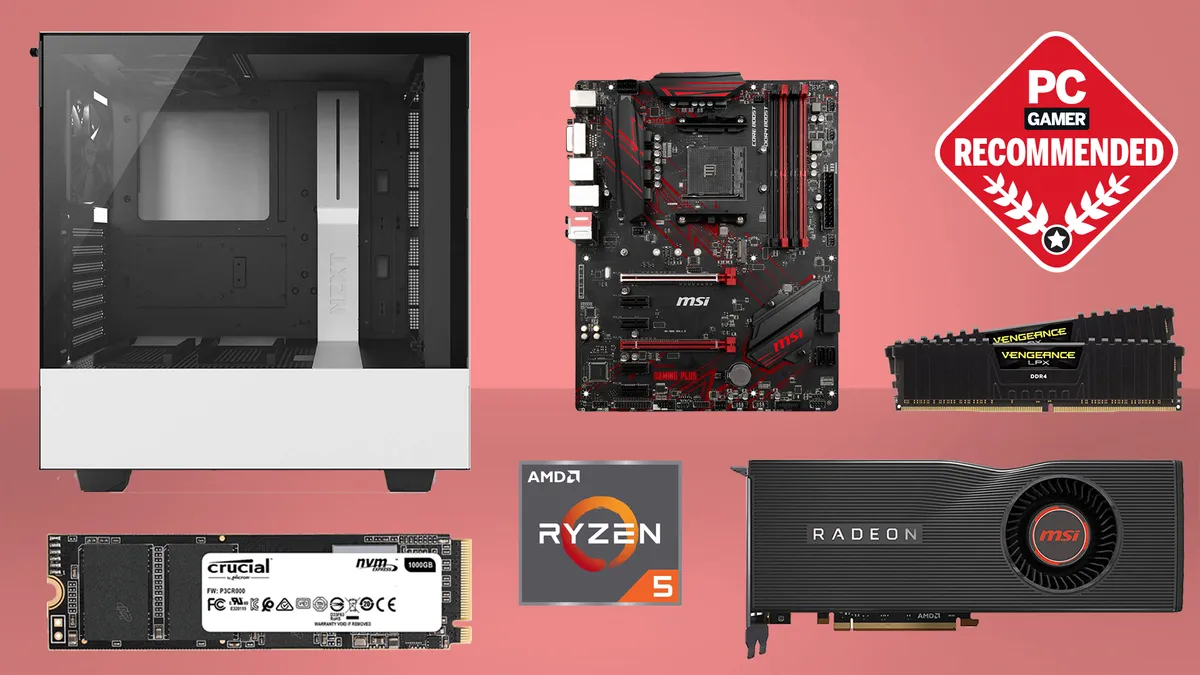
Best CPU for gaming: the top chips from Intel and AMD
Best graphics card: your perfect pixel-pusher awaits
Best SSD for gaming: get into the game ahead of the rest
The new AMD video is a brief but technical eight-minute insight into what AMD reckons is the best way to get those ray-tracing effects flowing through the Ray Accelerator cores in its new RDNA 2 GPUs.
Former tech journalist and now AMD graphics architect, Rys Sommerfeldt, explains that the RDNA 2 architecture can produce high quality visuals by processing just one ray or less per pixel using various techniques including denoising.
Much of the discussion is fairly technical and aimed at developers. However, the video does include a clip from Dirt 5 showing the shadow denoiser in action. Shout out in the comments below if you disagree, but to our addled peepers, the difference between the standard raster footage and the ray-traced image is pretty subtle.

Meanwhile, another new video from AMD showcases RDNA 2’s in-game ray-tracing prowess in cooperation with Ubisoft and Far Cry 6. According to Ubisoft senior 3D programmer Oleksandr Plishchuk, Ubisoft is aiming for playable gaming at UHD resolutions. “We’ve worked together with AMD to focus on a smooth 4K visual experience,” Plishchuk says. It's not clear if that 4K capability on the new AMD GPUs extends to 4K. AMD has previous said 1440p is the main target with RDNA 2 for usable ray-tracing performance.
As more and more titles with ray-tracing support are released, it will be interesting to see how AMD RDNA 2 and Nvidia’s Ampere GPUs compare. The general consensus is that Nvidia’s RT cores are more powerful than AMD’s Ray Accelerators. On the other hand, with both next-gen consoles based on AMD’s RDNA 2 architecture, it’s not hard to imagine many developers optimising their engines for the peculiarities of AMD’s architecture.