There will be no anti-mining LHR versions of existing Nvidia Founders Edition graphics cards
Only shipping third-party LHR cards signals the end of life for RTX 3080, RTX 3070, and RTX 3060 Ti Founders Edition GPUs.
Keep up to date with the most important stories and the best deals, as picked by the PC Gamer team.
You are now subscribed
Your newsletter sign-up was successful
Want to add more newsletters?
Every Friday
GamesRadar+
Your weekly update on everything you could ever want to know about the games you already love, games we know you're going to love in the near future, and tales from the communities that surround them.
Every Thursday
GTA 6 O'clock
Our special GTA 6 newsletter, with breaking news, insider info, and rumor analysis from the award-winning GTA 6 O'clock experts.
Every Friday
Knowledge
From the creators of Edge: A weekly videogame industry newsletter with analysis from expert writers, guidance from professionals, and insight into what's on the horizon.
Every Thursday
The Setup
Hardware nerds unite, sign up to our free tech newsletter for a weekly digest of the hottest new tech, the latest gadgets on the test bench, and much more.
Every Wednesday
Switch 2 Spotlight
Sign up to our new Switch 2 newsletter, where we bring you the latest talking points on Nintendo's new console each week, bring you up to date on the news, and recommend what games to play.
Every Saturday
The Watchlist
Subscribe for a weekly digest of the movie and TV news that matters, direct to your inbox. From first-look trailers, interviews, reviews and explainers, we've got you covered.
Once a month
SFX
Get sneak previews, exclusive competitions and details of special events each month!
The new Lite Hash Rate Nvidia graphics cards will only appear in third party versions of its GeForce RTX 3080, RTX 3070, and RTX 3060 Ti GPUs as Nvidia has no plans to make Founders Edition versions with the Ethereum hash rate limiter in place.
The green team today announced, via a blog post, that all new RTX 3080, 3070, and 3060 Ti cards shipping from towards the end of May will come with a limiter that deliberately halves the Ethereum mining performance of the cards when the Dagger Hashimoto algorithm for Ethereum is detected. The limiter was first introduced when the RTX 3060 was released, and after an accidentally released drive made it a moot point a new driver hinted that Nvidia would re-enable the limiter on all products shipping from mid-May.
The new Lite Hash Rate (LHR) series GPUs will be designated as such by Nvidia's graphics card partners, with the LHR identifier listed in retail and on the boxes themselves. It looks like that's only going to apply to cards originally sold without the limiter as Nvidia specifically hasn't mentioned the RTX 3060 in this release.
That, and the GeForce RTX 3080 Ti boxes we've seen in various leaks make no mention at all of any LHR series branding. But it also looks like the Founders Edition cards of the original RTX 30-series triumvirate aren't going to get the LHR treatment either.
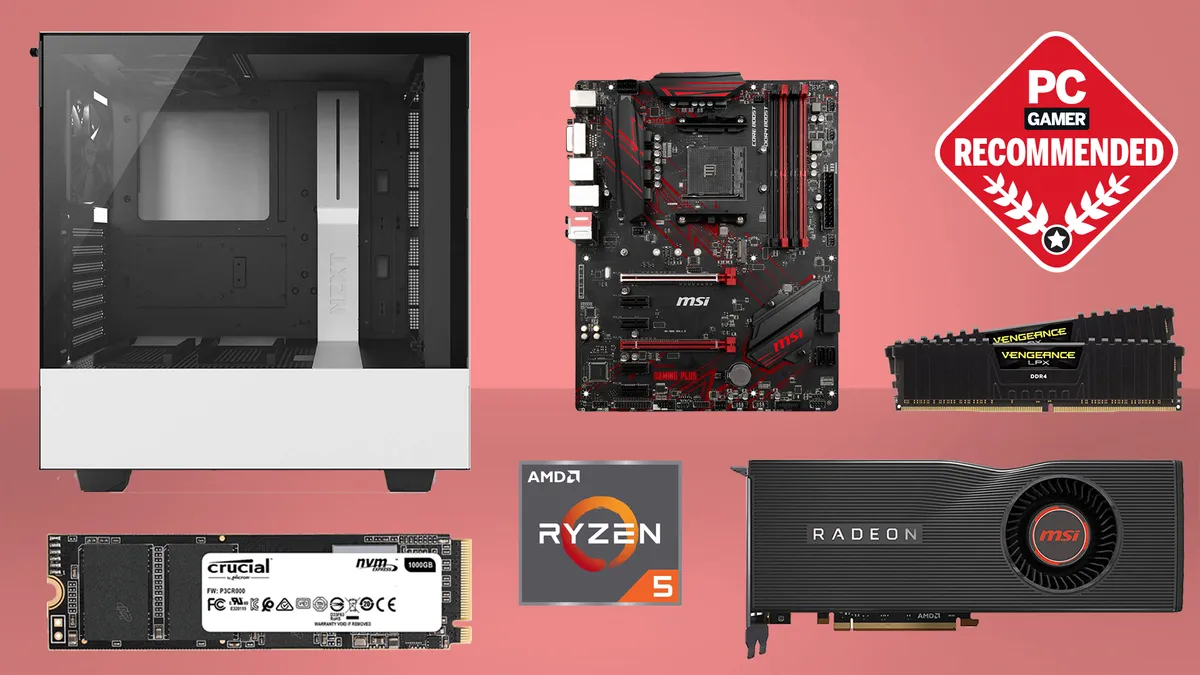
Best CPU for gaming: the top chips from Intel and AMD
Best graphics card: your perfect pixel-pusher awaits
Best SSD for gaming: get into the game ahead of the rest
"Founders Edition is a limited production graphics card sold at MSRP," Nvidia told us this afternoon, "and at this point we don’t have plans to make versions with LHR."
That could effectively signal the RTX 3080, 3070, and RTX 3060 Ti Founders Edition cards being completely end of life with no hope of return. But, given all the rumours floating around recently that have us expecting a 2021 RTX 30-series refresh, and the fact they've been rare as hen's dentures since launch, that doesn't really seem like a big miss.
So long as that dual-axial fan design gets a new spin with an RTX 3080 Ti Founders Edition et al, I'll still be happy.

Keep up to date with the most important stories and the best deals, as picked by the PC Gamer team.

Dave has been gaming since the days of Zaxxon and Lady Bug on the Colecovision, and code books for the Commodore Vic 20 (Death Race 2000!). He built his first gaming PC at the tender age of 16, and finally finished bug-fixing the Cyrix-based system around a year later. When he dropped it out of the window. He first started writing for Official PlayStation Magazine and Xbox World many decades ago, then moved onto PC Format full-time, then PC Gamer, TechRadar, and T3 among others. Now he's back, writing about the nightmarish graphics card market, CPUs with more cores than sense, gaming laptops hotter than the sun, and SSDs more capacious than a Cybertruck.

