Three Chinese businessmen have been charged by the US government for allegedly diverting "high-performance computer servers assembled in the United States and integrating sophisticated US artificial intelligence technology to China."
The three are Yih-Shyan “Wally” Liaw, co-founder of Supermicro; Ruei-Tsang “Steven” Chang, a Supermicro sales manager in Taiwan; and Ting-Wei “Willy” Sun, a contractor of Supermicro.
Article continues below 
One scheme reported by the Office of Affairs is that workers would reportedly use a hair dryer to remove labels and serial number stickers, so they can fix them to server boxes and dummy servers. Even more notably, there's reportedly surveillance camera footage of this process happening.
Jay Clayton, US attorney for the Southern District of New York, says the three attempted to export chips "through a tangled web of lies, obfuscation, and concealment—all to drive sales and generate revenues in violation of US law. Diversion schemes like those disrupted today generate billions of dollars in ill-gotten gains and pose a direct threat to US national security."
Potential Chinese buyers will want their hands on whatever AI chips they can get, in order to keep building and refining their own competing AI models. The Chinese government was also reportedly cautious of the possibility of backdoors in H20 chips, which Nvidia quickly denied. The US has been limiting exports to cement its place on the worldwide stage when it comes to AI. After months of back and forth, the Chinese government has reportedly approved the importing of Nvidia H200 GPUs, but the US government may cap the total number.
The total sum put on the purchased servers sits at $2.5 billion, reportedly purchased between 2024 and 2025. The count of conspiring to violate the Export Controls Reform Act carries a maximum prison sentence of 20 years, while the count of conspiring to smuggle goods from the United States carries a maximum sentence of 5 years.
Being charged is only an indication of allegations levied at the trio and isn't proof of wrongdoing. Generally, a level of evidence is needed for a charge, but, as pointed out by the Office of Public Affairs, "every fact described should be treated as an allegation."
Still, it proves there's a lot of money to be made in AI, no matter which country you are sending it to. And as long as that value remains sky-high, the likelihood of your memory sticks going down in value is pretty low.
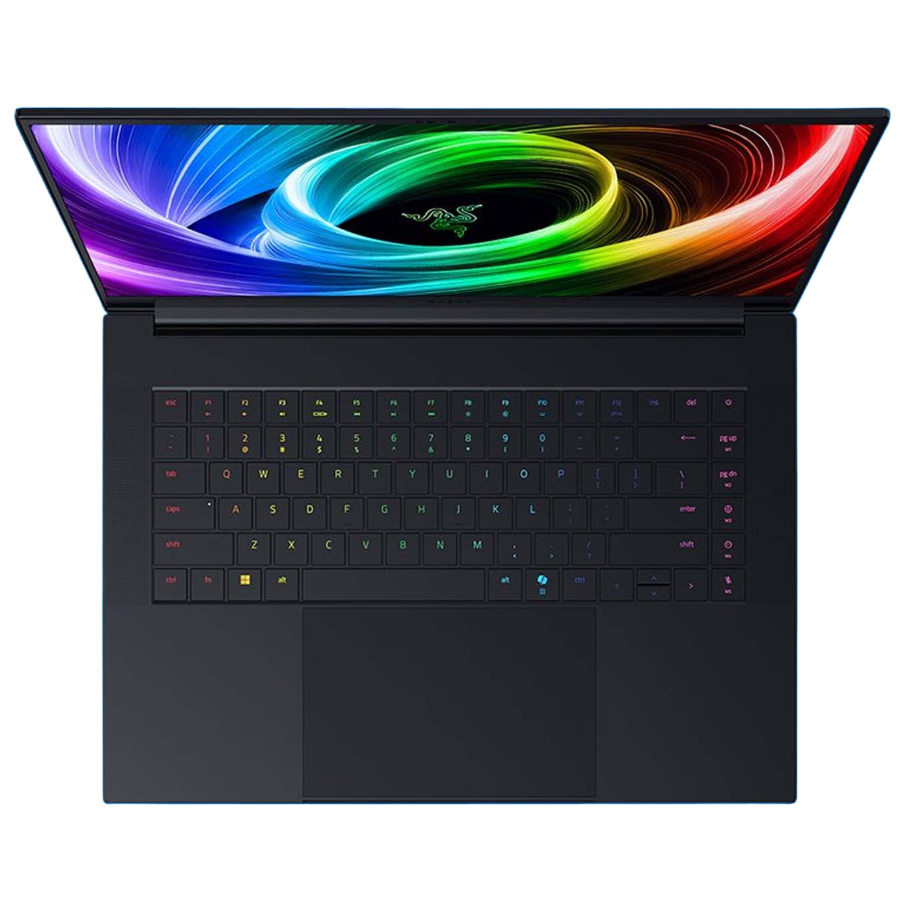
1. Best gaming laptop: Razer Blade 16
2. Best gaming PC: HP Omen 35L
3. Best handheld gaming PC: Lenovo Legion Go S SteamOS ed.
4. Best mini PC: Minisforum AtomMan G7 PT
5. Best VR headset: Meta Quest 3

You must confirm your public display name before commenting
Please logout and then login again, you will then be prompted to enter your display name.