You are now subscribed
Your newsletter sign-up was successful
Want to add more newsletters?

Every Friday
GamesRadar+
Your weekly update on everything you could ever want to know about the games you already love, games we know you're going to love in the near future, and tales from the communities that surround them.

Every Thursday
GTA 6 O'clock
Our special GTA 6 newsletter, with breaking news, insider info, and rumor analysis from the award-winning GTA 6 O'clock experts.

Every Friday
Knowledge
From the creators of Edge: A weekly videogame industry newsletter with analysis from expert writers, guidance from professionals, and insight into what's on the horizon.

Every Thursday
The Setup
Hardware nerds unite, sign up to our free tech newsletter for a weekly digest of the hottest new tech, the latest gadgets on the test bench, and much more.

Every Wednesday
Switch 2 Spotlight
Sign up to our new Switch 2 newsletter, where we bring you the latest talking points on Nintendo's new console each week, bring you up to date on the news, and recommend what games to play.

Every Saturday
The Watchlist
Subscribe for a weekly digest of the movie and TV news that matters, direct to your inbox. From first-look trailers, interviews, reviews and explainers, we've got you covered.

Once a month
SFX
Get sneak previews, exclusive competitions and details of special events each month!
Another day, another round of bad news regarding the ongoing RAM shortage and rising PC hardware prices. TrendForce reports that the NAND flash wafer supply is getting worse, which will directly impact SSD prices, and it already has.
How long will it take for those price changes to trickle down to the consumer market? And how long will it take for RAM prices to improve? Today's brought us a few interesting findings, so let's dig in.

RAM is suffering from the same problems as SSDs, but on a larger scale. Even some of the best Cyber Monday deals aren't helping these outrageous RAM prices that we're dealing with currently. Reports show it might only get worse from here as far as that's concerned.
Our first source is SEDaily, which talks about Samsung's Semiconductor Division (DS), which is said to have rejected a request for DRAM from its own Mobile Experience (MX) division. Samsung's mobile sector managed to secure memory on a quarterly basis, meaning it'll have to re-negotiate the terms of the contract every three months instead of longer commitments.
Odd, isn't it? It all comes down to the cost of RAM and profitability, and unfortunately for us PC gamers, the profit lies in high-bandwidth memory (HBM) and AI.
To that end, Micron is investing a boatload of cash into producing AI memory chips in Japan. The memory giant is said to be investing $9.6 billion into building a production facility in Japan, focused on next-gen HBM chips.
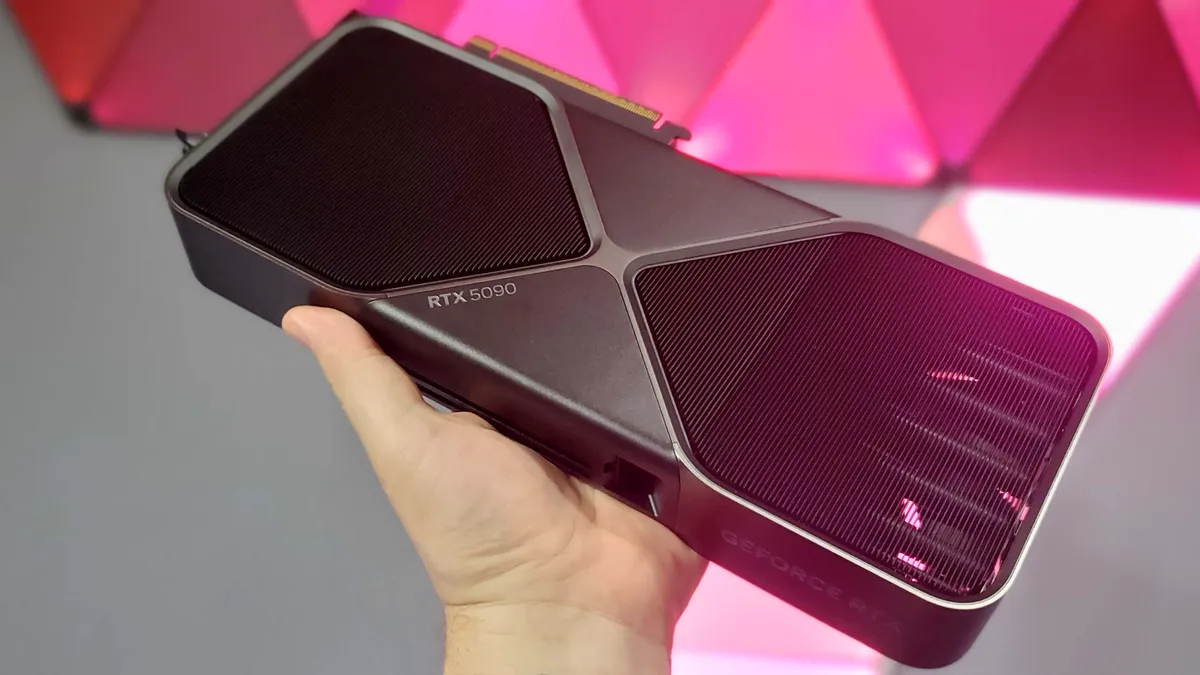
With all these different companies going all-in on enterprise memory, it's hard not to wonder what'll happen to the consumer market. RAM is already up to 300% more expensive than it was a few months ago, and those NAND flash shortages are likely to affect SSD prices, too.
Meanwhile, Nvidia is said to no longer be bundling VRAM with GPU dies when selling to its board partners, leaving them to find their own deals on memory. Keep in mind that all of that memory comes from the same source—if there isn't enough DRAM for PCs, there likely won't be enough VRAM produced for GPUs, too.
The PC gaming market is just going from one shortage to the next, and it looks like this one will last for a while yet.
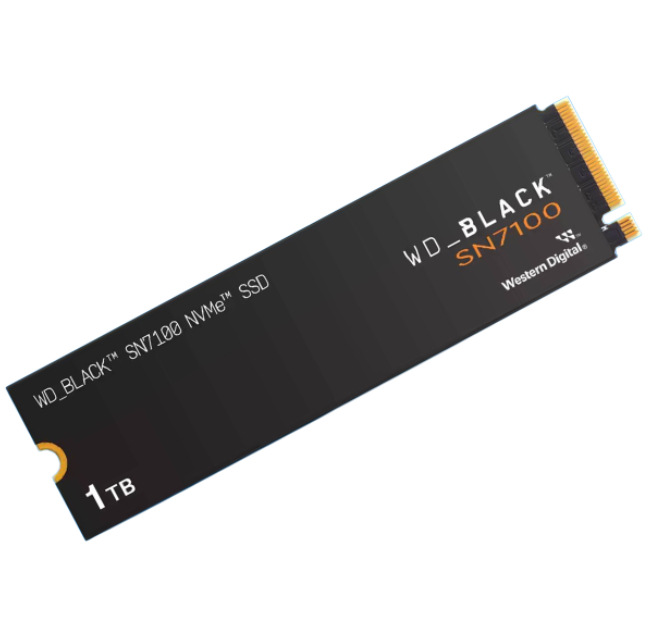
1. Best overall:
WD_Black SN7100
2. Best budget:
Biwin Black Opal NV7400
3. Best PCIe 5.0:
WD_Black SN8100
4. Best budget PCIe 5.0:
Crucial P510
5. Best 4 TB:
TeamGroup MP44
6. Best 8 TB:
WD_Black SN850X
7. Best M.2 2230:
Lexar Play 2230
8. Best for PS5:
Silicon Power XS70

You must confirm your public display name before commenting
Please logout and then login again, you will then be prompted to enter your display name.