A team of scientists say they've developed a new type of fibre integrated circuit technology, or FIC, with a potential integration density of up to 100,000 transistors per centimetre. The chip-integrated fibres are said to be as thin as a human hair, and can withstand repeated bending and abrasion, stretching, twisting, and even "crushing by a container truck weighing 15.6 tons".
Their results have been published in the peer-reviewed journal Nature, and the potential uses for such a thin, bendable, and resilient tech are legion (via SCMP). Beyond the possibility of creating fabrics where every fibre is its own miniature system, the scientists say that the tech could also be leveraged into brain-computer interfaces.
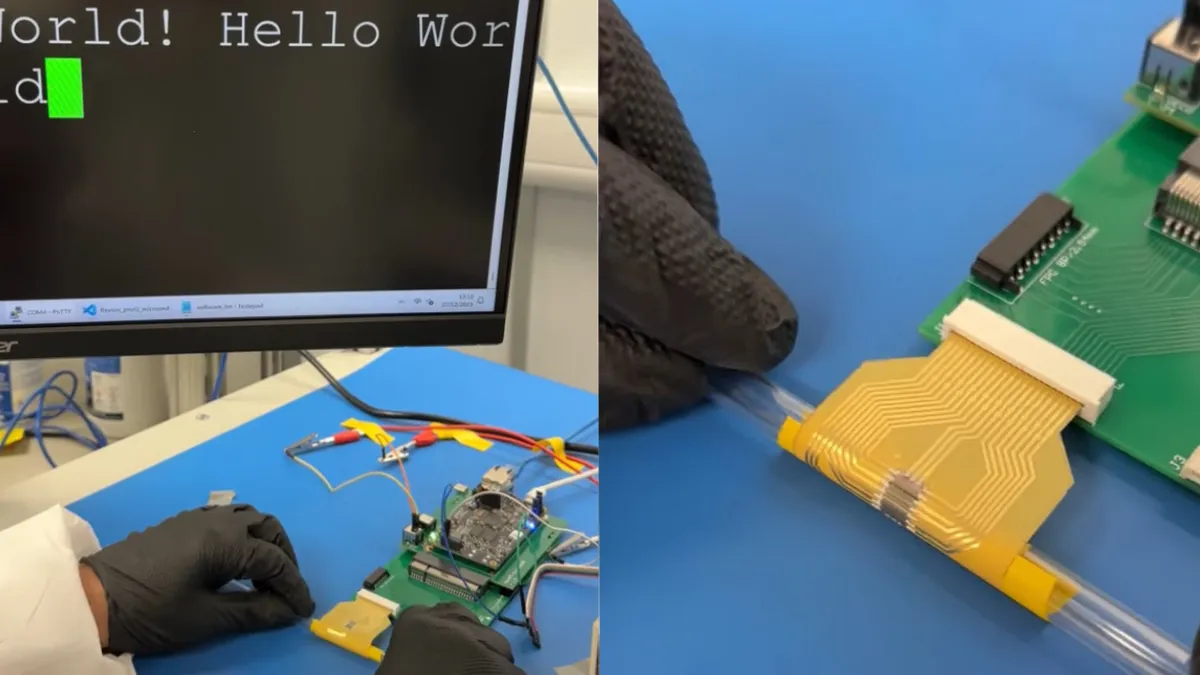
But study co-author Peining Chen says that "nanometre-scale photolithography in the future would further increase integration density", with the potential for future iterations to begin "approaching the integration scale of classical computer central processing units", according to the South China Morning Post.
So, could your next gaming CPU be integrated into a blanket? Nope. It seems we're still a long way off. However, resilient, flexible technology is cropping up in all sorts of places, and it's emerging tech like this that makes me think that perhaps the future isn't looking so doom and gloom after all.
Ah, who am I kidding? It'll take more than a chip in my sweater fabric to convince me of that, but it's all very intriguing, isn't it? And if anyone from the team is reading, the next time you crush one of these fibres under a 15.6 ton truck, I'd like to be there. I'll bring my own popcorn, I promise.
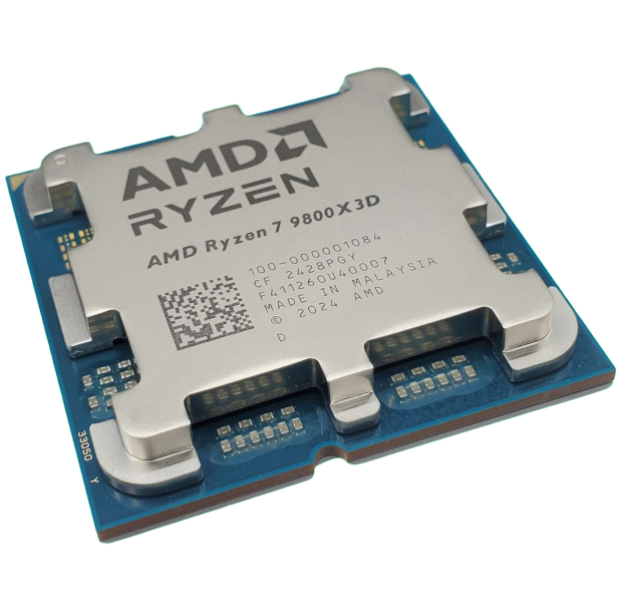
1. Best CPU: AMD Ryzen 7 9800X3D
2. Best motherboard: MSI MAG X870 Tomahawk WiFi
3. Best RAM: G.Skill Trident Z5 RGB 32 GB DDR5-7200
4. Best SSD: WD_Black SN7100
5. Best graphics card: AMD Radeon RX 9070

You must confirm your public display name before commenting
Please logout and then login again, you will then be prompted to enter your display name.