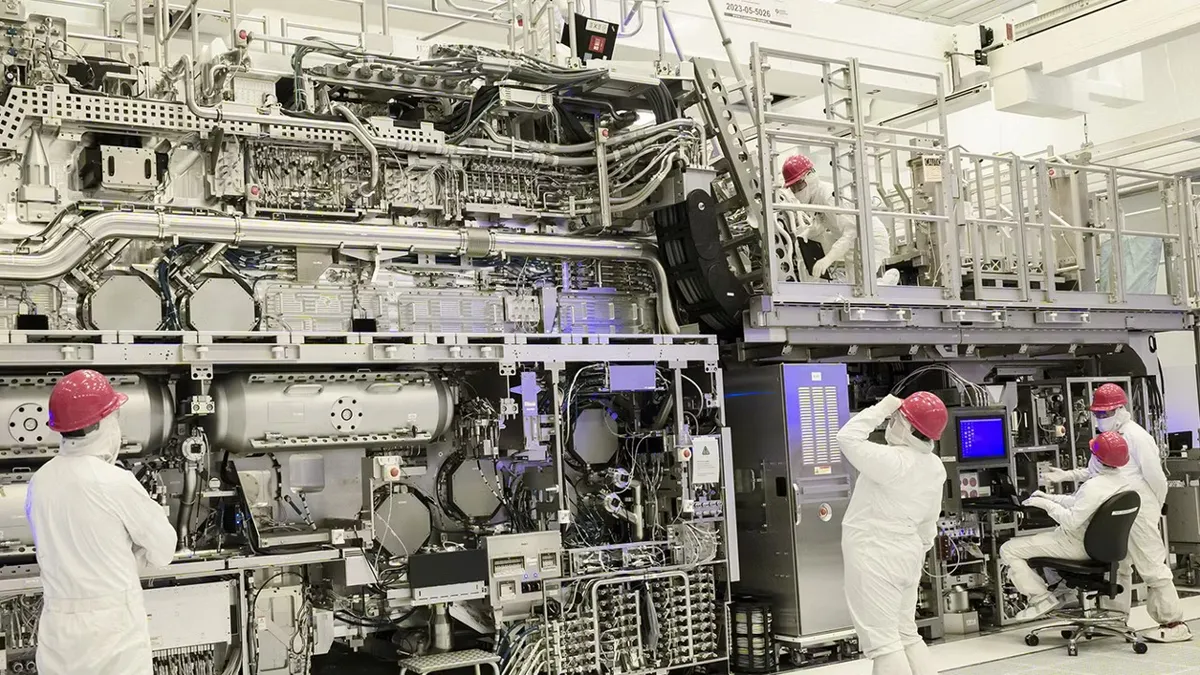
Rumours are swirling once again around Intel ditching its hybrid P-core and E-core chip architectures for a single, 'unified core' design, although it looks like we might have a long wait yet
Are my days of typing "XX Performance, XX Efficient" soon to be over? Probably not.
Keep up to date with the most important stories and the best deals, as picked by the PC Gamer team.
You are now subscribed
Your newsletter sign-up was successful
Want to add more newsletters?
Every Friday
GamesRadar+
Your weekly update on everything you could ever want to know about the games you already love, games we know you're going to love in the near future, and tales from the communities that surround them.
Every Thursday
GTA 6 O'clock
Our special GTA 6 newsletter, with breaking news, insider info, and rumor analysis from the award-winning GTA 6 O'clock experts.
Every Friday
Knowledge
From the creators of Edge: A weekly videogame industry newsletter with analysis from expert writers, guidance from professionals, and insight into what's on the horizon.
Every Thursday
The Setup
Hardware nerds unite, sign up to our free tech newsletter for a weekly digest of the hottest new tech, the latest gadgets on the test bench, and much more.
Every Wednesday
Switch 2 Spotlight
Sign up to our new Switch 2 newsletter, where we bring you the latest talking points on Nintendo's new console each week, bring you up to date on the news, and recommend what games to play.
Every Saturday
The Watchlist
Subscribe for a weekly digest of the movie and TV news that matters, direct to your inbox. From first-look trailers, interviews, reviews and explainers, we've got you covered.
Once a month
SFX
Get sneak previews, exclusive competitions and details of special events each month!
Those familiar with Intel's modern processor lines will also be familiar with the idea of Performance and Efficient cores. The Intel Core Ultra 9 285K, for example, is technically a 24-core chip, with eight of those cores being high-powered Performance versions for heavy processing duties, supported by 16 Efficient versions for low-priority tasks.
Intel's processors have been designed around this core segmentation architecture since Alder Lake, more commonly referred to as its 12th generation chips. However, rumours are swirling once again that Intel may be about to make a major switch up towards a "unified core" design, banishing its hybrid P-core, E-core, and LP-E core chip architectures to the history books (via Fudzilla).
Eagle-eyed X user @Silcon_Fly has spotted an Intel job listing for a senior CPU verification engineer to join its "Unified Core design team", with responsibilities to "lead, drive, develop and execute comprehensive verification plans to validate CPU logic against architectural specifications."
The potential benefits of a unified core design (or "one big core", as it's sometimes referred to) include a cleaner, simpler architecture with less scheduling tomfoolery to distribute tasks between their appropriate cores, and a better performance per area ratio given the limited die space on modern chips.
Previously, reports referencing a post from an Intel engineer in China suggested that Intel Arctic Wolf E-cores used in its upcoming Nova Lake chips would be the last before a switch to a unified architecture.
According to Fudzilla, current gossip suggests that Titan Lake will be where Intel makes the switch. Intel's Nova Lake chips are due for release sometime later this year, followed by Razer Lake, and then Titan Lake sometime after that.
So, if we are to see Intel move away from a hybrid chip architecture, it looks like we'll have sometime yet before we get the new processors in our hands (and our test rigs) to see what its new design can do.
Keep up to date with the most important stories and the best deals, as picked by the PC Gamer team.
Assuming Nova Lake releases on schedule, it's still possible that this unified architecture, if it makes it to production, won't be available until 2028 at the earliest—and perhaps even as late as 2030 or beyond, especially if Intel is hiring engineers for the project now.
At which point, the oceans will be boiling, the sun will be ever... I mean, the PC hardware space will likely look a whole lot different. We might even have some affordable memory to pair with Intel's new mono-core chip, as the RAMpocalypse is expected to make the next couple of years rather difficult in that regard. Let's all keep our fingers crossed for some big changes all round, shall we?
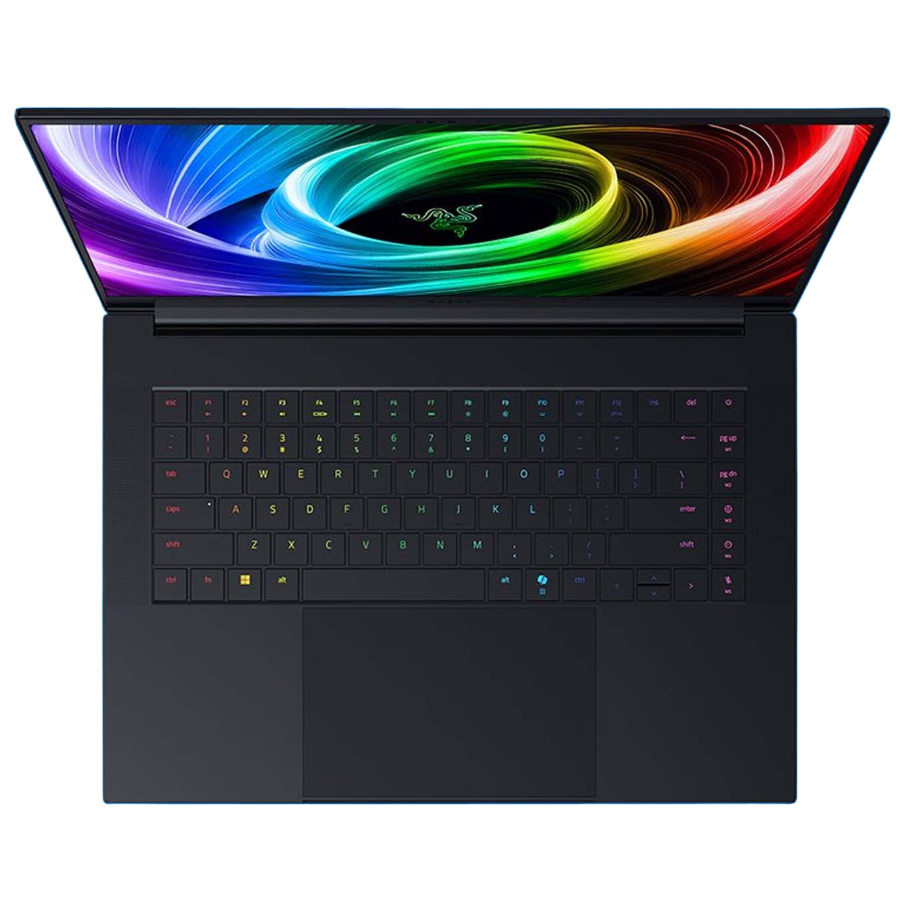
1. Best gaming laptop: Razer Blade 16
2. Best gaming PC: HP Omen 35L
3. Best handheld gaming PC: Lenovo Legion Go S SteamOS ed.
4. Best mini PC: Minisforum AtomMan G7 PT
5. Best VR headset: Meta Quest 3

Andy built his first gaming PC at the tender age of 12, when IDE cables were a thing and high resolution wasn't—and he hasn't stopped since. Now working as a hardware writer for PC Gamer, Andy spends his time jumping around the world attending product launches and trade shows, all the while reviewing every bit of PC gaming hardware he can get his hands on. You name it, if it's interesting hardware he'll write words about it, with opinions and everything.
You must confirm your public display name before commenting
Please logout and then login again, you will then be prompted to enter your display name.