Join The Club





Intel recently spilled the beans on its upcoming Panther Lake CPU architecture, which seems to be an iterative improvement over previous designs, plus the promise of being built on a new process node, 18A. But in case you've wondered about some of the broader design choices that went into the last couple of generations plus the upcoming one, Intel's just answered why these CPU cores are the way they are.
Well, at least in one respect, that is, this is being why simultaneous multithreading (SMT) was abandoned. In a recent interview with Chips and Cheese, Intel's lead x86 CPU architect Stephen Robinson tells interviewer George Cozma that "SMT isn't necessarily as valuable" once you add hybrid cores into the mix.
Intel has been using hybrid cores—a mix of P-Cores for heavy workloads and E-Cores for lighter ones—for the past few years, ever since 12th Gen Alder Lake processors. Initially, these had multithreading. But the most recent Lunar Lake mobile and Alder Lake desktop chips—the first ones other than Meteor Lake to use the 'Core Ultra' nomenclature—ditched SMT altogether.
Article continues below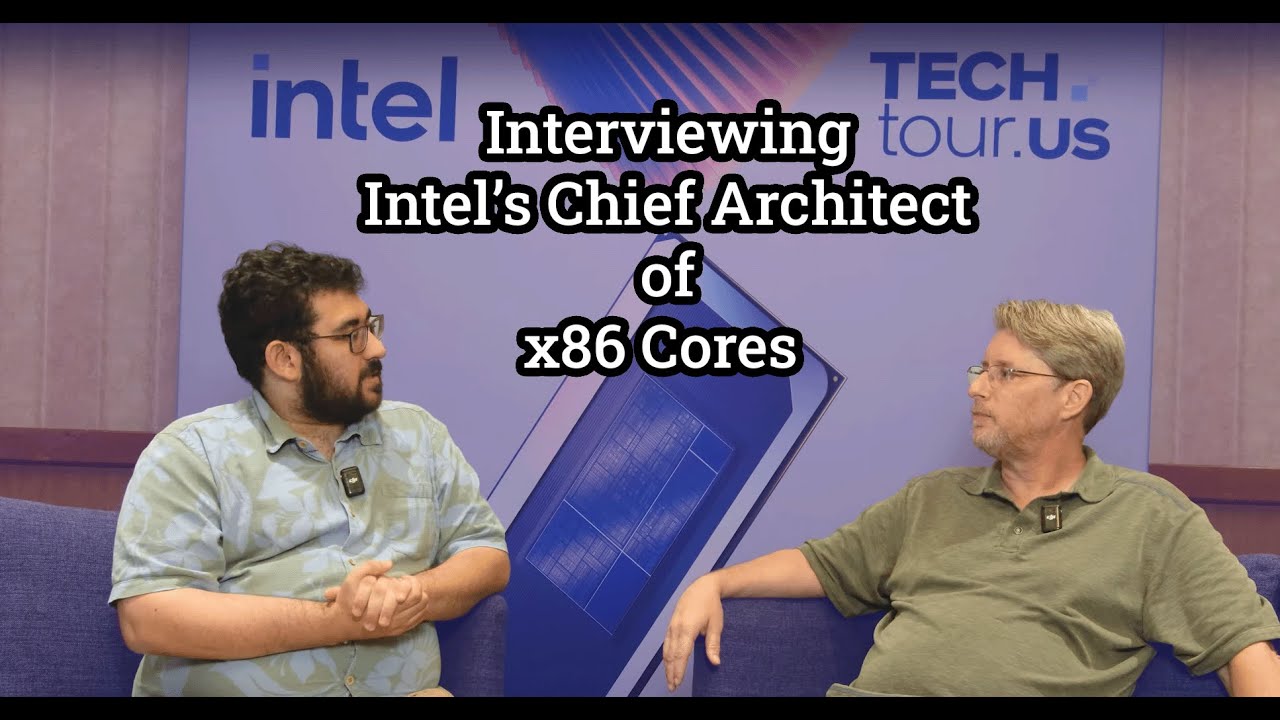
So there isn't much to lose there once you've switched scheduling decisions from threads to distinct core types, but apparently there is plenty to gain: "We didn't lose a lot in client because of hybrid and the core count, but we gained a bit in our design and execution." Freeing up silicon used to deal with SMT allows the chip to be a little smaller, lower power, and hit its frequency targets a little easier:
"Now you've kind of got something that's maybe a little bit easier and less expensive and maybe can go a little bit faster." And earlier in the interview, Robinson explained: "If we can get more workloads running on an E-Core then we can bring more efficiency to the whole platform."
We already heard Intel's Robert Hallock last year explain of Lunar Lake that "our E-cores are getting so good, we can deliver better than SMT, better than Hyper-Threading performance, without Hyper-Threading." But it's interesting to hear a little more concretely why this might be the case.
Panther Lake is shaping up to be quite exciting, even if Intel hasn't reinvented the wheel with it. SMT be damned, 2026 could be an interesting time for client CPUs, including for gaming.
1. Best overall:
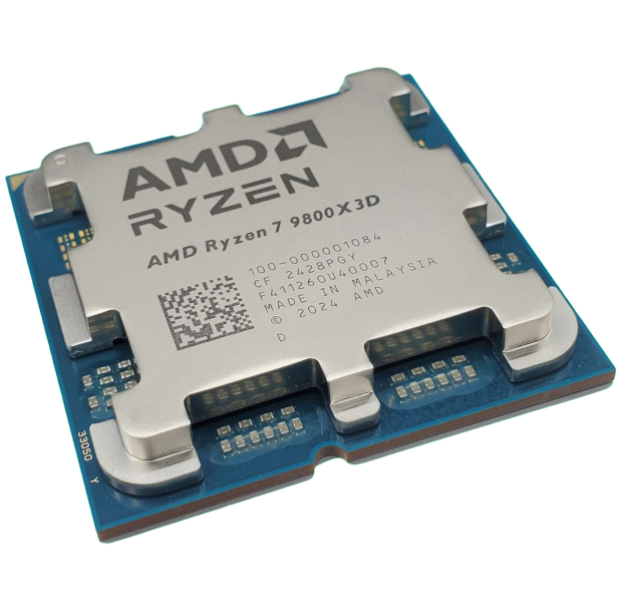
AMD Ryzen 7 9800X3D
2. Best budget:
AMD Ryzen 5 7600X
3. Best mid-range:
AMD Ryzen 7 9700X
4. Best high-end:
AMD Ryzen 9 9950X3D
5. Best AM4 upgrade:
AMD Ryzen 7 5700X3D
6. Best CPU graphics:
AMD Ryzen 7 8700G

You must confirm your public display name before commenting
Please logout and then login again, you will then be prompted to enter your display name.