If you think you're tired of seeing generative AI everywhere, well at least your inbox (probably) isn't full of it (yet), which is more than can be said for indie developer and publisher Finji. CEO Rebekah Saltsman says that the studio's inbox is crammed full of games made with AI, pitches written with AI, and resumes generated by AI too and, honestly, she's tired of it already.
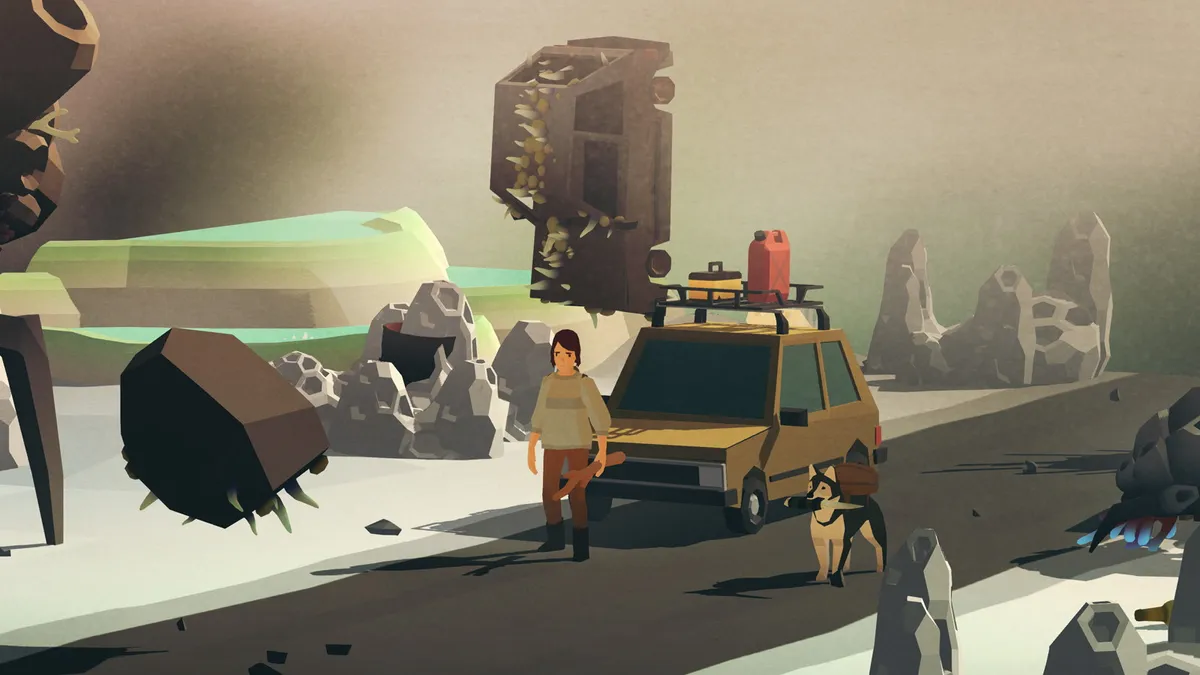
Finji is the studio co-founded by Saltsman and her husband Adam "Atomic" Saltsman of games like Cannabalt and Overland, who've also published Tunic, Night in the Woods, the Wilmot games, and more. They're a small operation, and very choosy about the games they make and publish with their limited time. Finji has an inbox that's open to pitches from developers looking to work with them, which they go through regularly, she says—at least once a month but often once a week.
"You would not believe the number of AI games that we have in our inbox right now," Saltsman said in an interview with PC Gamer, relaying what Adam told her of his most recent comb through the box. "It's way more than I've ever seen."
Article continues belowSaltsman thinks some developers are including AI-generated art in pitches because they're programmers or designers and feel they need art to represent their work in a pitch to a publisher like Finji.
"You'd be better served to just send boxes and programmer art to show the mechanics if you're going to be pitching to somebody like us," she says. "We're game designers. It's our job to help you fill out a team to make this incredible. You don't have to be everything."
As a publisher, Saltsman's aversion is practical. Finji updated its publishing contracts last year to reflect that Finji can terminate a contract with a developer who it finds is using AI without disclosing it. "Literally no one owns any of this stuff that they're making," she says. "You can't copyright it at all. You could be sued for theft, depending on what you're using. What a hell of a risk to take there."

Saltsman's dislike for AI art and AI coding is similar to what so many creatives in the industry have been saying. Code based on generative AI is too often wrong. Art made with generative AI is boring. "I am tired of seeing it. I'm tired of having to read it," she says.
"We're just not going to participate in that marketplace, that technology, in any way that goes into our games. I'm quite certain, especially at GDC, that that is an unpopular CEO standpoint. I don't care. I'm an indie developer. I make games. I don't need it."
Up next on that slate of non-AI games is Finji's own Usual June and the roguelite strategy sequel 868-Back that Finji recently announced it will be publishing.

You must confirm your public display name before commenting
Please logout and then login again, you will then be prompted to enter your display name.