Join The Club





I don't know when the first argument about a videogame was had, but something tells me it was before the first videogame was finished. Still, things seem to have gotten much worse in recent years, and Fallout co-creator Tim Cain took to his YouTube channel Friday to discuss the issue of "arguing about games" at length.
"People have always had different tastes and they wanted different things," Cain said in the video. "I think each one of you, individually, knows what you want. Where things break down is, you don't seem to realize or recognize that there's a lot of other people out there and they all want different things. And this isn't just gamers, developers do this too."
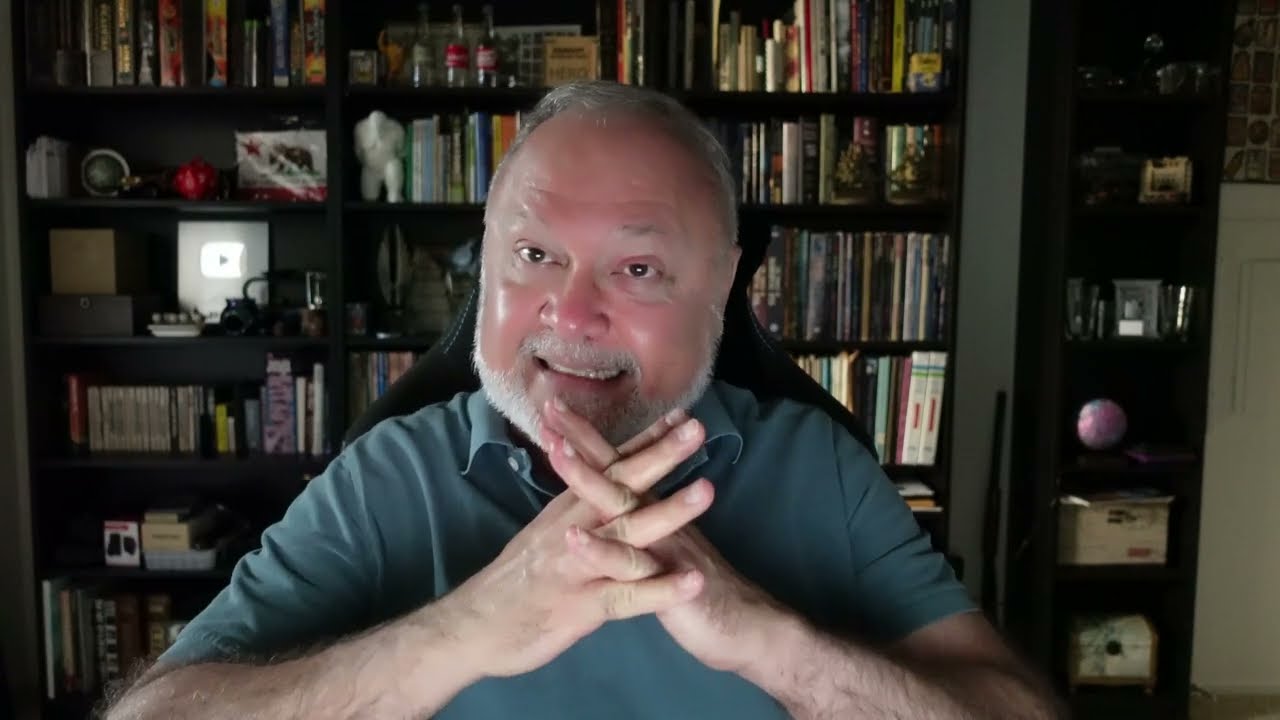
Cain acknowledged there's no right way to make a game; disagreements over how to properly optimize a game, what features do and don't belong, and so on all come up during the dev cycle and years after a game has released. An example he gives in the video is RPG romance.
Article continues belowWhether you loved or hated how horny Baldur's Gate 3 was, it's clear that romanceable party companions are as popular as they are polarizing—and Cain said he's been pressured to include them even though they aren't to his taste.
He also pointed out bad-faith critique. For instance, no one wants a game to crash, but Cain said some players are quick to lambast the developer and the game's fans when bugs give them trouble: "'Obviously, it was made by a stupid developer who's stupid,'" goes Cain's G-rated impression of an angry internet comment.
Cain blames the modern intensity of online arguments on an industry that's grown quickly, leading to a glut of contradictory tastes, and consequently, games developed in accordance to contradictory feedback. "All the different gamers out there, the huge variety of gamers, they want different things. A lot of the arguing I see online is gamers arguing past each other."
Even worse, consolidation has funneled much of the money and attention into games that need to make a huge return on investment and appeal to as many players as possible. "There's a possibility to make a lot more money," Cain explained. "Used to be, we were excited if a game sold 10,000 units. Then a 100,000, then a million. Now we want 10 million or 100 million.
"This generation of more money has caused a lot of consolidation of the games industry into fewer and fewer companies that can publish. They wanna make more money … that changes the nature of how games are decided to be made."
As a result, publishers are trying to bag increasingly broad audiences full of people that, as Cain said, may have fundamentally different priorities. When they butt heads online, "you should acknowledge [other viewpoints] exist, but you don't because you either don't want to or it would wreck your argument."
Cain said this anger goes every which way, including at developers like him. "Not all gamers," he qualifies his sentiments in the video. "A lot of gamers though. Or I should say, loud gamers. I don't think I ever go anywhere that has a forum group where developers aren't being called stupid and/or lazy and/or greedy."
The video continues with Cain's ideas about the effects of all this online vitriol. He posits that game developers leave the work as a result, that gamers are pulled more toward the indie game scene and away from anything that reeks of the industry—a decision he thinks is "awesome"—and that the arguing is used to make a quick buck. Considering the way the attention economy has reshaped the internet, it's easy to see what he means.
2026 games: Upcoming games
Best PC games: All-time favorites
Free PC games: Freebie fest
Best FPS games: Finest gunplay
Best RPGs: Grand adventures
Best co-op games: Better together
"People make money off getting eyeballs and clicks, and so people out there have a monetary reason to keep the arguing going," he said in the video.
As for what to do about all this, Cain ends the video with a suggestion that gamers vote with their wallets rather than argue with other players on social media—he didn't mention it, but the sales success of Assassin's Creed: Shadows relative to the right wing social media campaign against it certainly springs to mind here.
While huge triple-A games won't be moved by an isolated customer's decision, Cain reckons it's "the only way forward through this I can see, and I hope you do it."