Crash 4's DRM was cracked after one day
People really don't like this stuff in games that should be playable offline.
Keep up to date with the most important stories and the best deals, as picked by the PC Gamer team.
You are now subscribed
Your newsletter sign-up was successful
Want to add more newsletters?
Every Friday
GamesRadar+
Your weekly update on everything you could ever want to know about the games you already love, games we know you're going to love in the near future, and tales from the communities that surround them.
Every Thursday
GTA 6 O'clock
Our special GTA 6 newsletter, with breaking news, insider info, and rumor analysis from the award-winning GTA 6 O'clock experts.
Every Friday
Knowledge
From the creators of Edge: A weekly videogame industry newsletter with analysis from expert writers, guidance from professionals, and insight into what's on the horizon.
Every Thursday
The Setup
Hardware nerds unite, sign up to our free tech newsletter for a weekly digest of the hottest new tech, the latest gadgets on the test bench, and much more.
Every Wednesday
Switch 2 Spotlight
Sign up to our new Switch 2 newsletter, where we bring you the latest talking points on Nintendo's new console each week, bring you up to date on the news, and recommend what games to play.
Every Saturday
The Watchlist
Subscribe for a weekly digest of the movie and TV news that matters, direct to your inbox. From first-look trailers, interviews, reviews and explainers, we've got you covered.
Once a month
SFX
Get sneak previews, exclusive competitions and details of special events each month!
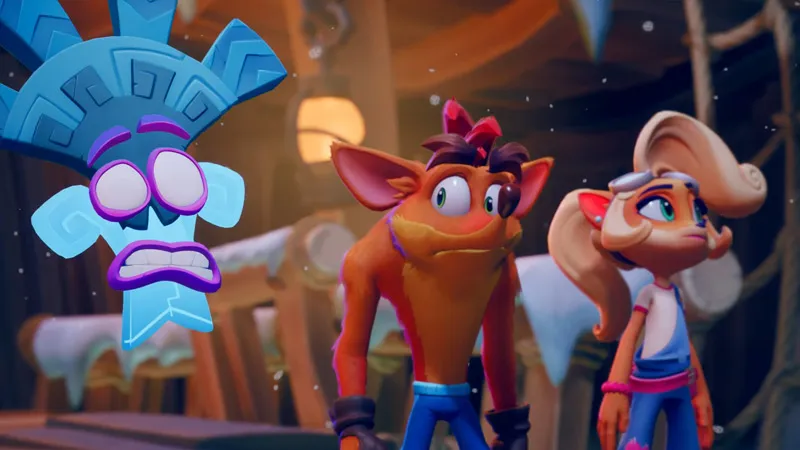
The latest entry in the Crash Bandicoot series, as with all of the others, basically sucks. Nevertheless some folk love them, want to play them, and were thus excited when Crash Bandicoot 4: It's About Time made its PC debut last week on Battle.net. But much to the surprise and the chagrin of some, this singleplayer game with no online elements comes complete with a form of DRM that requires an internet connection.
For publishers and hackers, at times this looks like a sport: the former trying to protect their products by whatever means necessary, the latter dedicated to... well, cracking those same protections and letting people use software they've paid for however they want.
Crash Bandicoot 4 follows hot on the heels of the Blizzard Arcade Collection, a package of singleplayer games that also required a connection to play. Try to load up Crash 4 offline, and Battle.net returns the error code BLZ51900002. On the Battle.net site this code is shown as having been updated around six months ago, and refers to PCs failing to connect to a login server.
In the case of Crash 4, however, this copy protection lasted about a day.
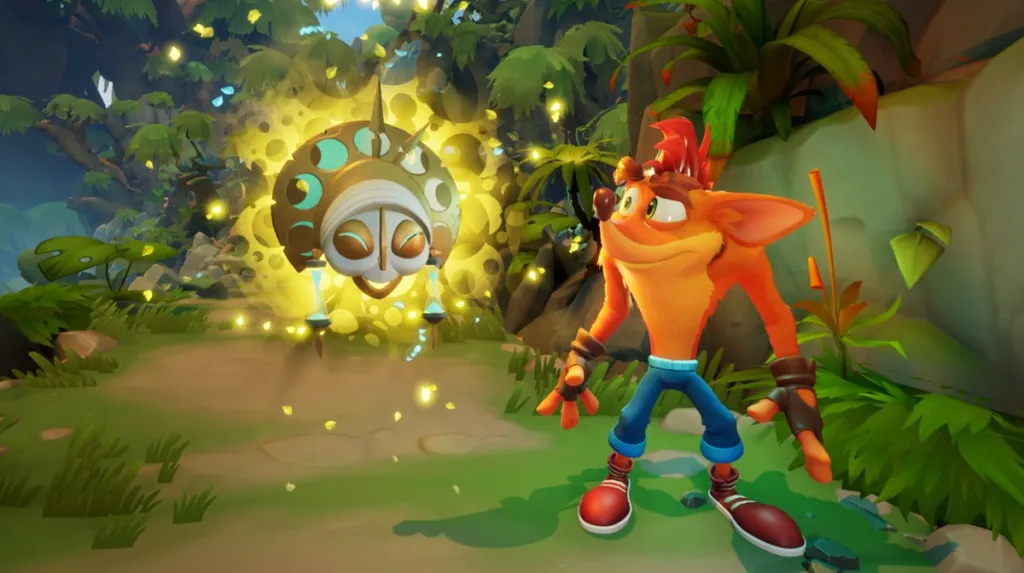
The game launched on Friday, and by Saturday the hacker Empress had posted a crack that allowed players to bypass the online check-in (thanks, Ars Technica), announcing with some degree of braggadocio that: "this is just the RESULT of the philosophies everyone was making fun of. This is what happens when I 'Execute' and 'Apply' them on my cracking. I hope this release makes people smile."
The crack came with an image that notes the form of copy protection on the game was 'Battle.net + Online,' rather than the usual Empress target of Denuvo.
For hackers like this, hitting a game like Crash 4 is a principle: because it just doesn't have any online content, or any real need to check-in with Activision's servers every time you want to play it. Activision, of course, would disagree.

Keep up to date with the most important stories and the best deals, as picked by the PC Gamer team.

Rich is a games journalist with 15 years' experience, beginning his career on Edge magazine before working for a wide range of outlets, including Ars Technica, Eurogamer, GamesRadar+, Gamespot, the Guardian, IGN, the New Statesman, Polygon, and Vice. He was the editor of Kotaku UK, the UK arm of Kotaku, for three years before joining PC Gamer. He is the author of a Brief History of Video Games, a full history of the medium, which the Midwest Book Review described as "[a] must-read for serious minded game historians and curious video game connoisseurs alike."