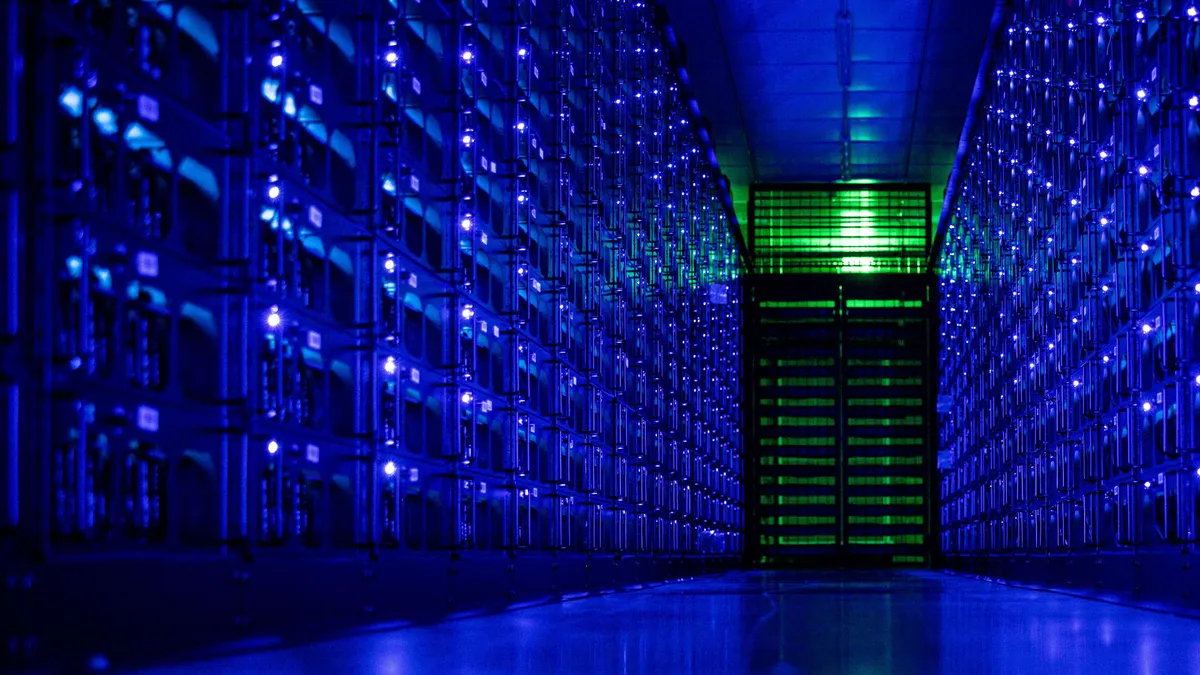
Google needs to double its AI serving capacity 'every six months' and scale 'the next 1000x in 4-5 years' according to an internal presentation
Seems totally achievable, good luck with that.
Keep up to date with the most important stories and the best deals, as picked by the PC Gamer team.
You are now subscribed
Your newsletter sign-up was successful
Want to add more newsletters?
Every Friday
GamesRadar+
Your weekly update on everything you could ever want to know about the games you already love, games we know you're going to love in the near future, and tales from the communities that surround them.
Every Thursday
GTA 6 O'clock
Our special GTA 6 newsletter, with breaking news, insider info, and rumor analysis from the award-winning GTA 6 O'clock experts.
Every Friday
Knowledge
From the creators of Edge: A weekly videogame industry newsletter with analysis from expert writers, guidance from professionals, and insight into what's on the horizon.
Every Thursday
The Setup
Hardware nerds unite, sign up to our free tech newsletter for a weekly digest of the hottest new tech, the latest gadgets on the test bench, and much more.
Every Wednesday
Switch 2 Spotlight
Sign up to our new Switch 2 newsletter, where we bring you the latest talking points on Nintendo's new console each week, bring you up to date on the news, and recommend what games to play.
Every Saturday
The Watchlist
Subscribe for a weekly digest of the movie and TV news that matters, direct to your inbox. From first-look trailers, interviews, reviews and explainers, we've got you covered.
Once a month
SFX
Get sneak previews, exclusive competitions and details of special events each month!
If there's one thing sure to ruin your day at work, it's receiving an unrealistic target from your higher-ups. Pour one out, then, for the Google employees who attended an all-hands meeting earlier this month, only to be told that they need to double its serving capacity every six months to meet AI compute demand.
That's according to CNBC, as the news outlet got a look at a presentation reportedly given to employees by Google AI infrastructure chief Amin Vahdat earlier this month. A slide entitled "AI compute demand" informed the team that "Now we must double every six months... the next 1000x in 4-5 years."
CNBC also reports some direct quotes from the meeting, which was also said to be attended by Alphabet CEO Sundar Pichai. While Microsoft, Amazon, and Meta have been pouring huge sums of money into data center expansion in recent months to boost their own AI serving capabilities, it appears that Google's lofty expansion goals might not be receiving the same budget.
Vahdat reportedly told employees that "[Google's] job is of course to build this infrastructure, but it's not going to outspend the competition, necessarily" and that the real goal will be providing infrastructure that is "more reliable, more performant, and more scalable than what's available anywhere else."
That's not all. Vahdat is also claimed to have said Google needs to "be able to deliver 1,000 times more capability, compute, storage networking, for essentially the same cost and increasingly, the same power, the same energy level."
"It won't be easy," the Google AI chief said. "But through collaboration and co-design, we're going to get there."
That sounds like quite the task, doesn't it? I can only imagine the blank faces in the room as the Google engineers wrapped their heads around the idea of expanding their infrastructure on a truly gigantic scale, in record timeframes, without substantially increasing the budget—both literally and figuratively.
Keep up to date with the most important stories and the best deals, as picked by the PC Gamer team.
Management consultancy firm McKinsey & Company estimates that AI data centers are expected to require $5.3 trillion in capital expenditures by 2030, or roughly $1 trillion over Nvidia's current market cap, if you prefer to think of it that way. Certainly, if efficiencies could be made to enable unbelievably rapid AI compute expansion without pushing data center power requirements and budgets further into the stratosphere, the company to do so would be in a prime position to make the most of the AI boom.
If, indeed, it lasts that long to begin with, given mounting concerns over a massive, potentially economy-wrecking AI bubble. Still, they don't call it a moon shot for nothing. Get to work, Google AI infrastructure engineers. It sounds like an impossible task, but Vahdat seems to believe in your work ethic. You didn't need a lunch break anyway, did you?
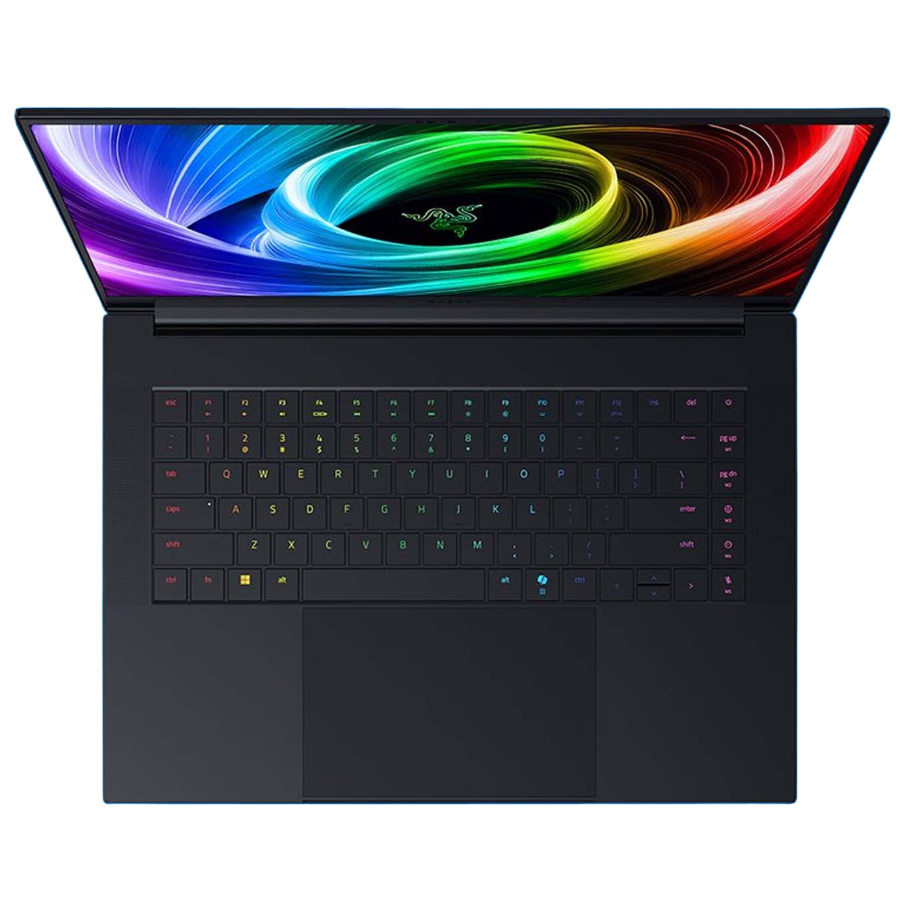
1. Best gaming laptop: Razer Blade 16
2. Best gaming PC: HP Omen 35L
3. Best handheld gaming PC: Lenovo Legion Go S SteamOS ed.
4. Best mini PC: Minisforum AtomMan G7 PT
5. Best VR headset: Meta Quest 3

Andy built his first gaming PC at the tender age of 12, when IDE cables were a thing and high resolution wasn't—and he hasn't stopped since. Now working as a hardware writer for PC Gamer, Andy spends his time jumping around the world attending product launches and trade shows, all the while reviewing every bit of PC gaming hardware he can get his hands on. You name it, if it's interesting hardware he'll write words about it, with opinions and everything.
You must confirm your public display name before commenting
Please logout and then login again, you will then be prompted to enter your display name.