In December 2024 Intel CEO Patrick Gelsinger retired, saying that "leading Intel has been the honor of my lifetime." Gelsinger failed to turn around the beleaguered chip maker's fortunes, with Intel still caught in what looks like a losing battle against ARM, but industry watchers generally felt he'd dealt reasonably with what was a very bad hand.
Gelsinger's retirement wouldn't last. In March of this year he was announced as the executive chairman of Gloo, which in its own words is a "Technology Platform Connecting the Faith Ecosystem" working on what it calls Christian AI. Gelsinger cheerily acknowledges that we're in an AI bubble, by the way, but reckons it's all fine because it won't burst for a few years yet.
Article continues belowGelsinger brags to the Guardian that he's finding "friendly ears" in Washington DC, though declines to name any groups or politicians. He did however speak at an event on October 17 that also featured former National Security Advisor Michael Flynn, former British Prime Minister Liz Truss (lettuce pray…), and Chick-fil-A chairman Daniel Cathy.
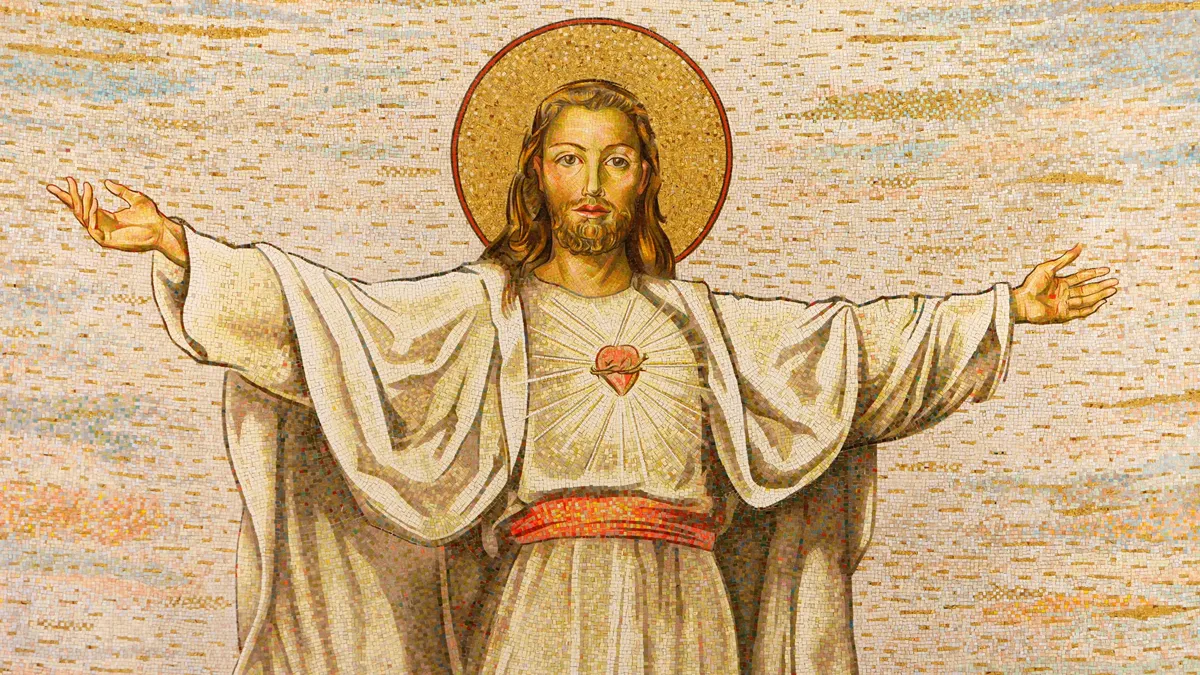
Gloo does however shy away from leaning too far into a specific religious viewpoint, and indeed claims to be open to all religions adopting its technology.
"We're not trying to take a theological position: we're building a technology platform, and then giving enough customization capability that the Lutherans can be good with it, the Episcopalians can be good with it, the Catholics can be good [with it], the Assemblies of God can be good with it," said Gelsinger.
"We're trying to say, 'Hey, there's a broad tent here of faith and flourishing,' but also we're trying to satisfy many organizations that do not take a denominational perspective, [such as] Alcoholics Anonymous."
If you're thinking of the late great Tom Lehrer's National Brotherhood Week at this point, you're not alone. Whether Gloo has anything like the capacity to deliver on such lofty goals, however, remains to be seen. The company says it has "over 140,000 faith, ministry and non-profit leaders", which is not a big number next to the leaders in AI that boast over a billion users a week between them. So it's also going to use that traditional religious tactic of guilting people out of temptation with the Flourishing AI initiative, which essentially rates the most popular models on how well they support users' faith and spiritual growth.
In a world where people already use AI to talk to 'god', and some genuinely believe the technology to have divine qualities, what could go wrong? Gelsinger may have Gloo, but he's certainly not alone in being a prominent Silicon Valley figure on a Christian mission. Some of the other powerful individuals involved in promulgating a Christian worldview are very surprising, such as Peter Thiel, who in recent times has been on a mighty tear about the coming of the antichrist.
Even so, one of Gelsinger's stated goals for all of this stuff is eyebrow raising. "I want Zuck to care," says Gelsinger. That's Mark Zuckerberg, a man raised in a Reform Jewish household who was a self-declared atheist before in 2016 deciding "religion is very important". It's hard to see Meta transitioning into a faith-promulgating arm of the US Christian church. But I suppose, in the grand sweep of human history, it would be quite meta.


You must confirm your public display name before commenting
Please logout and then login again, you will then be prompted to enter your display name.