Intel and AMD didn't have much to show us at Computex, but there were one or two interesting side shows. How about 16 Intel Performance cores humming along at 7.2GHz?
Of course, you can't get more than eight Performance cores in a current consumer CPU from Intel. But you can get 16 Performance in one of Intel's new Sapphire Rapids Xeon CPUs.
That's exactly what Level1Techs managed to achieve at the Computex show with help from ASRock's performance team. Running a 16-core version of Intel's latest Sapphire Rapids Xeon CPU in an ASRock W790 motherboard, they started out running the chip at 6.1GHz and achieved a massive Cinebench R23 score of around 46,000.
Note, all 16 cores in the Xeon chip are Performance cores based on the same Golden Cove spec as the big P-cores in a 12th Gen Alder Lake desktop CPU. It doesn't have any Efficient cores. Also, for context, a stock-clocked Intel Core i9 13900K scores around 38,000 in the same test.
They managed to get the chip running as high as 7.2GHz, which is awfully impressive for a huge CPU with 16 of Intel's biggest and most powerful cores. But the system wasn't stable enough to complete any benchmark runs at that frequency.
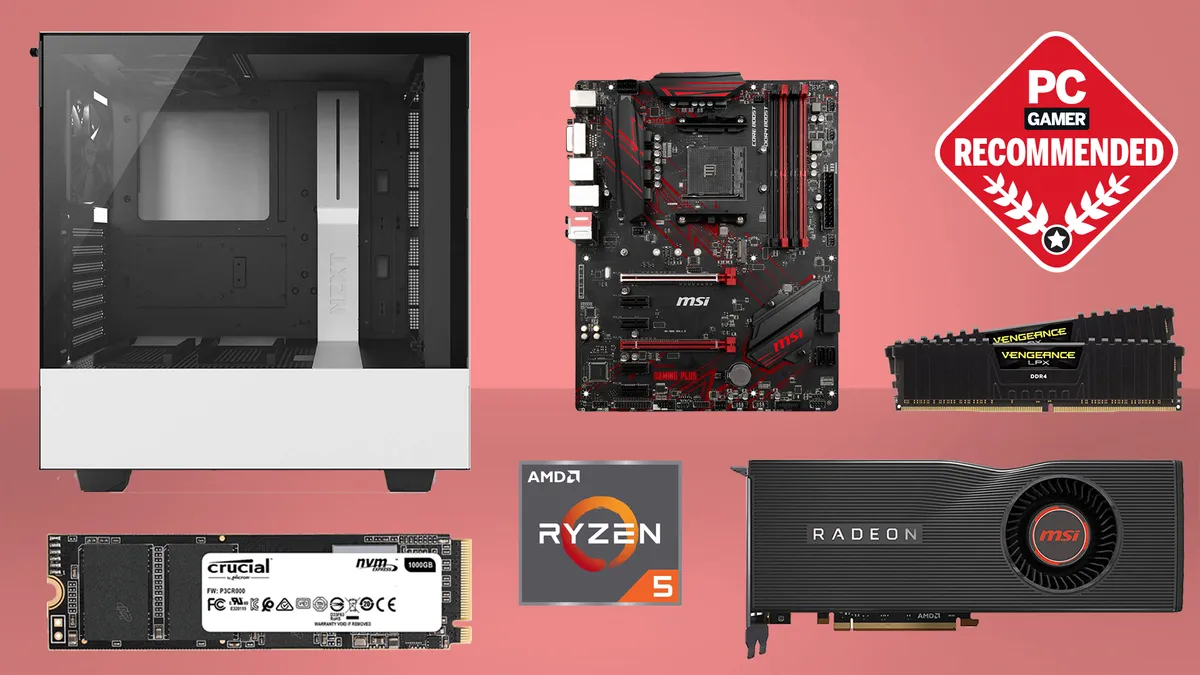
Best CPU for gaming: The top chips from Intel and AMD
Best gaming motherboard: The right boards
Best graphics card: Your perfect pixel-pusher awaits
Best SSD for gaming: Get into the game ahead of the rest
Anyway, it all begs the question of what you'd rather have in your performance PC: do your want Zillions of Intel's Efficient cores, or a smaller number but still a decent chunk of purely Performance cores?
These overclocking results suggest going all big cores might be the better option for pure performance. The downside is power consumption. The 16-core Xeon chip was apparently sucking down 50W per core at 6.1GHz.
Yeah, that's 800W for the whole CPU, a whole bunch more than a Core i9 13900K and a big enough gap to ensure the regular desktop chip is returning a lot more performance per watt.
Speaking of running things at silly speeds at Computex, memory specialist GSkill ran a DDR5 overclocking competition at the show. In the end, Seby9123 ran out the winner, achieving DDR5-11158 speeds with G.Skill's 24GB DDR5 memory kit and winning $10,000 for their efforts.
That's about twice the memory frequency of your usual DDR5 memory. Not bad. You can catch image highlights of the event here.