Join The Club





AI and data center revenue was very much the focus of Nvidia's recent earnings call, while gaming took something of a backseat. This won't come as a surprise to most of you, I'm sure.
However, Nvidia executive vice president and chief financial officer Colette Kress did dedicate a small segment of her opening remarks to the market that first put Nvidia on the map:
Article continues belowLater in the call, and appearing to reference Nvidia's entire hardware stack, Kress said that Nvidia had "strategically secured inventory and capacity to meet demand beyond the next several quarters." However, given the massive revenue NV is pulling in from the data center side of its business right now, I would imagine that a large portion of those efforts are going towards AI-hardware—with perhaps less of a priority given to its gaming portfolio.
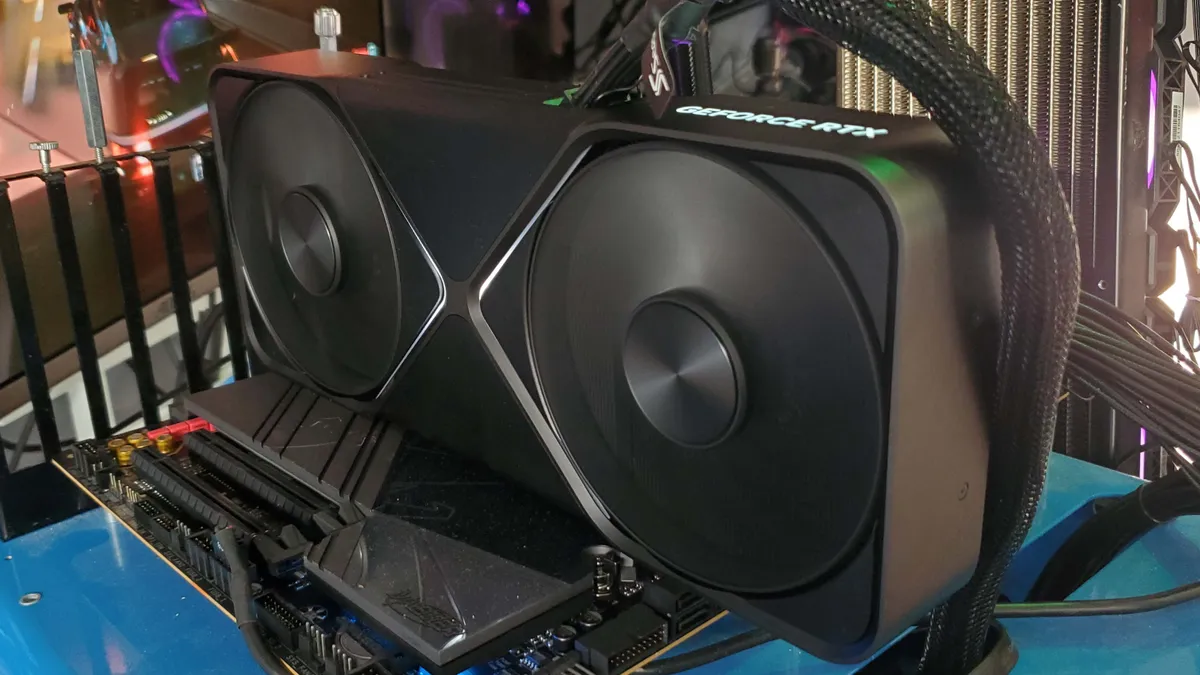
"While we expect tightness in the supply for our advanced architectures to persist", Kress continued. "We remain confident in our ability to capitalize on the growth opportunity ahead with our scale, expansive supply chain, and long-standing partnerships continuing to serve us well."
That last point is an interesting one. Nvidia is the belle of the ball right now, and maintains very close relationships with both memory manufacturers and TSMC, which produces the chips at the core of its products.
There's an argument to be made that if any single company was capable of staying ahead of the supply chain issues right now, it'd be Nvidia... whose AI hardware, in combination with the current AI boom, is one of the primary driving forces behind the shortages in the first place.
However, according to Michael Burry (the investor famously portrayed in Hollywood movie The Big Short ), Nvidia's purchase obligation figures are "troubling". They've jumped to $95.2 billion from $16.1 billion at the same time last year, supposedly because TSMC demanded longer term contracts and more cash to fund more chip fab and packaging capacity.
"To be clear, [Nvidia] has been forced to place non-cancellable purchase orders well before demand is known" says Burry. Should demand for its products suddenly drop (due to, say, a theoretical AI bubble burst), Nvidia is potentially at risk of holding the bag.
It's all very circular, isn't it? The tech industry is a complicated beast, and global supply chains and economic forces complicate that mix even further. And while Nvidia has good reason to be cheerful right now, there's a slight tenseness to some of these remarks that, (along with a tepid market response to its financials) is difficult not to read as preparation towards potentially choppier seas to come.
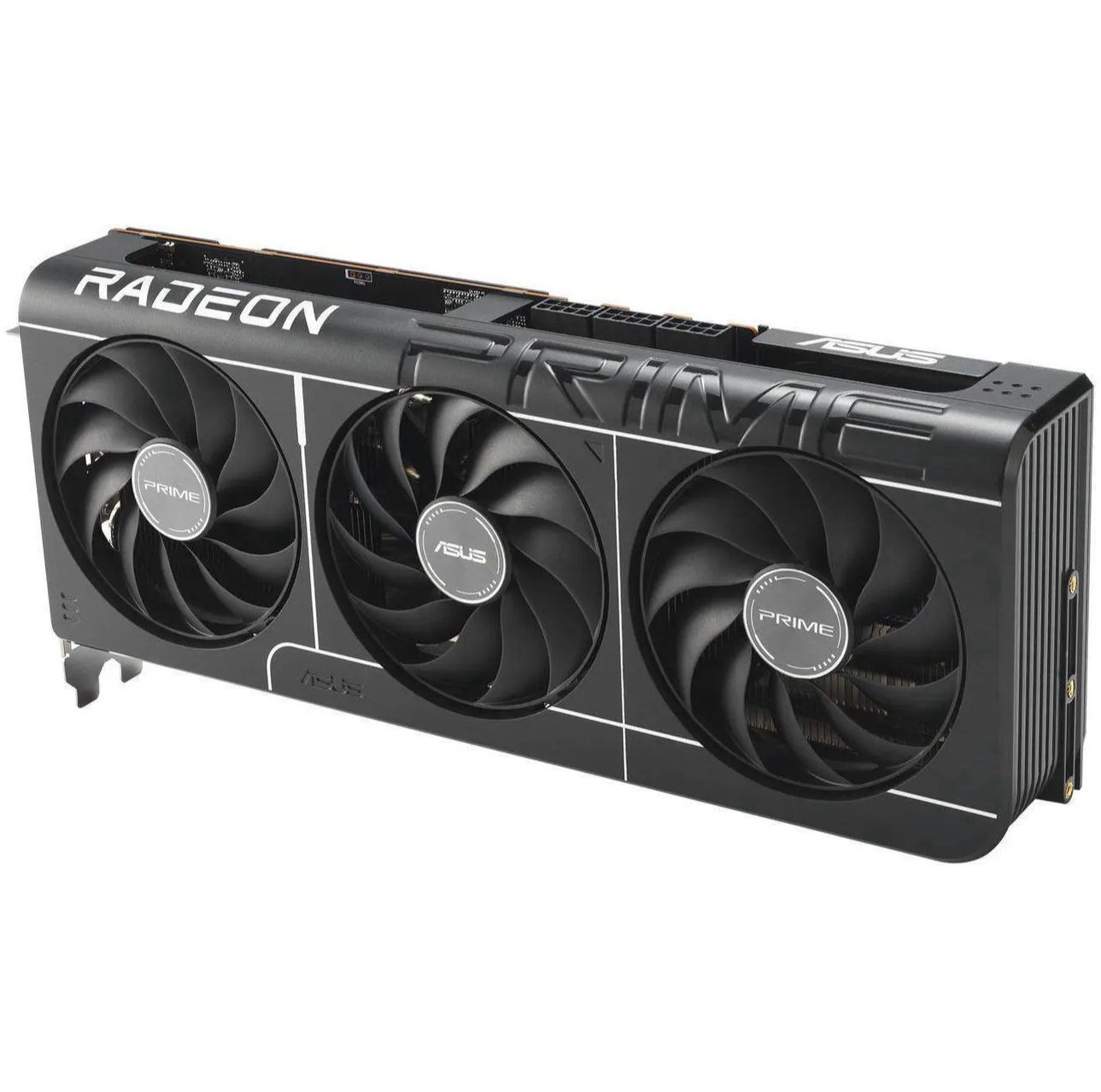
1. Best overall: AMD Radeon RX 9070
2. Best value: AMD Radeon RX 9060 XT 16 GB
3. Best budget: Intel Arc B570
4. Best mid-range: Nvidia GeForce RTX 5070 Ti
5. Best high-end: Nvidia GeForce RTX 5090

You must confirm your public display name before commenting
Please logout and then login again, you will then be prompted to enter your display name.