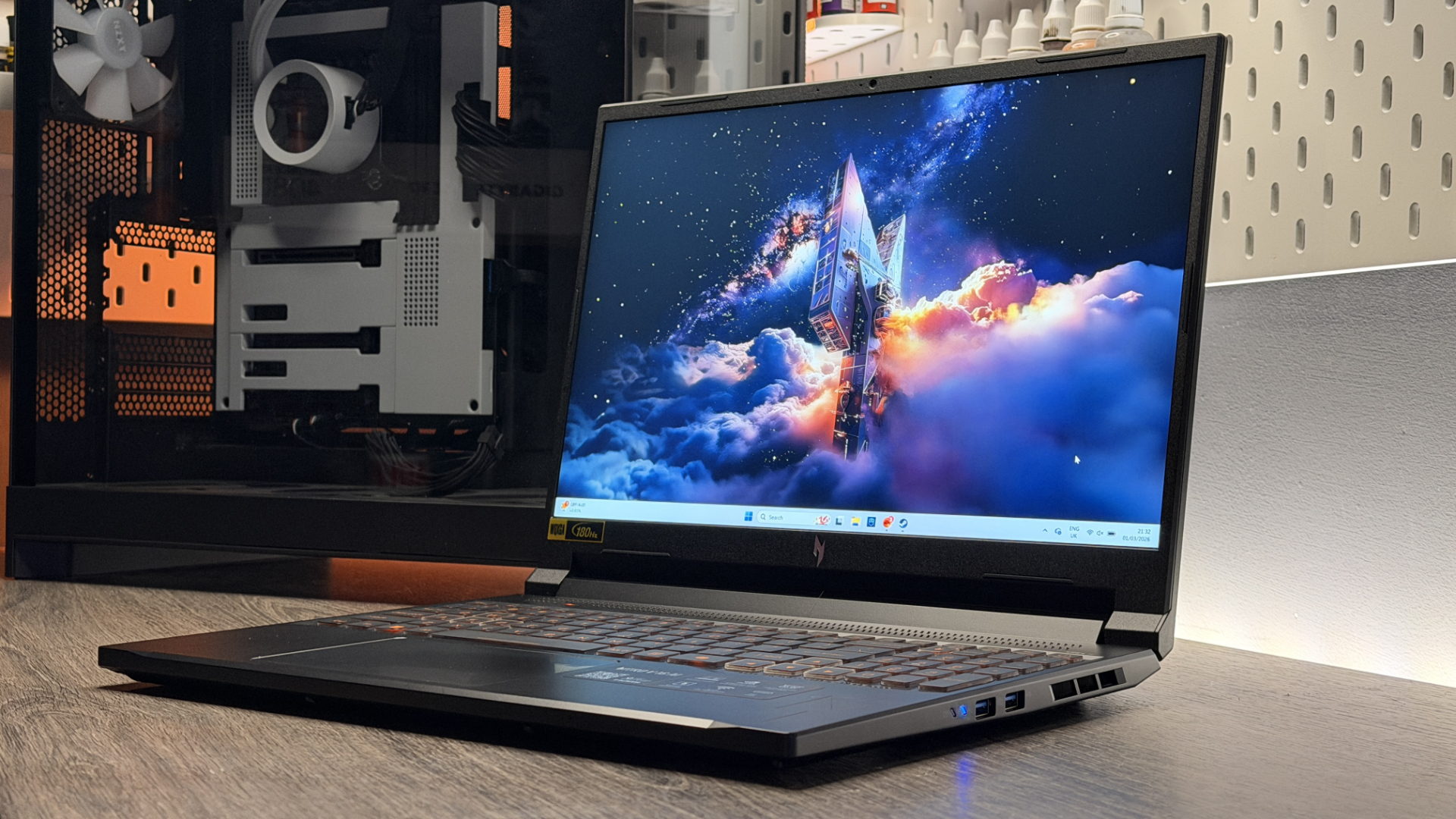
Should you wish to allow the (extremely dubious) astrological laws of the universe to decide the CPU scheduling within your home machine, I've found just the Github project for you. Also, you shouldn't. I just wanted to get that in early.
Nevertheless, scx_horoscope is a fully functional CPU scheduler that loads into the Linux kernel to decide your processor's priorities based on "real-time planetary positions, zodiac signs, and astrological principles", and it's just the sort of rabbit hole I like to fall down on a Tuesday afternoon.
- ☀️ Sun (Life Force): Critical system processes (PID 1, init)
- 🌙 Moon (Emotions): Interactive tasks (shells, editors, terminals)
- 💬 Mercury (Communication): Network and I/O tasks
- 💖 Venus (Harmony): Desktop and UI processes
- ⚔️ Mars (Energy): CPU-intensive tasks (compilers, video encoding)
- 🎯 Jupiter (Expansion): Memory-heavy applications (databases, browsers)
- ⚙️ Saturn (Structure): System daemons and kernel threads

Zodiac sign elements can create elemental affinities and oppositions, so the calculated position of a fire sign like Aries, Leo, or Sagittarius can give a 1.5x boost to operations, whereas water signs drop that multiplier to 0.6x, because water dampens fire. Obviously.
It's a bit like reading the ruleset to a very complicated board game you have no idea how to play. For example, when a planet is in retrograde (moving backwards through the zodiac), all tasks under its domain suffer a 50% time slice penalty. Your CPU also has to spin around three times on one leg while touching its nose. I made that last bit up, but I had you going for a second there, didn't I?
I often go cross-eyed when reading complicated CPU scheduling operations, so combining them with the intense woo-woo (sorry, true believers) of astrology creates a heady feeling of "you-lost-me-several-pages-ago-and-now-I'm-nodding-politely". Still, the creativity on display here is immense, and I'm all for that sort of nonsense.
"If the universe can influence our lives, why not our CPU scheduling too?" asks Zampierilucas. Well, I can think of multiple reasons, and like the author, I think using it for anything other than japery is likely to be a bad idea. Jolly good show, though. Carry on.
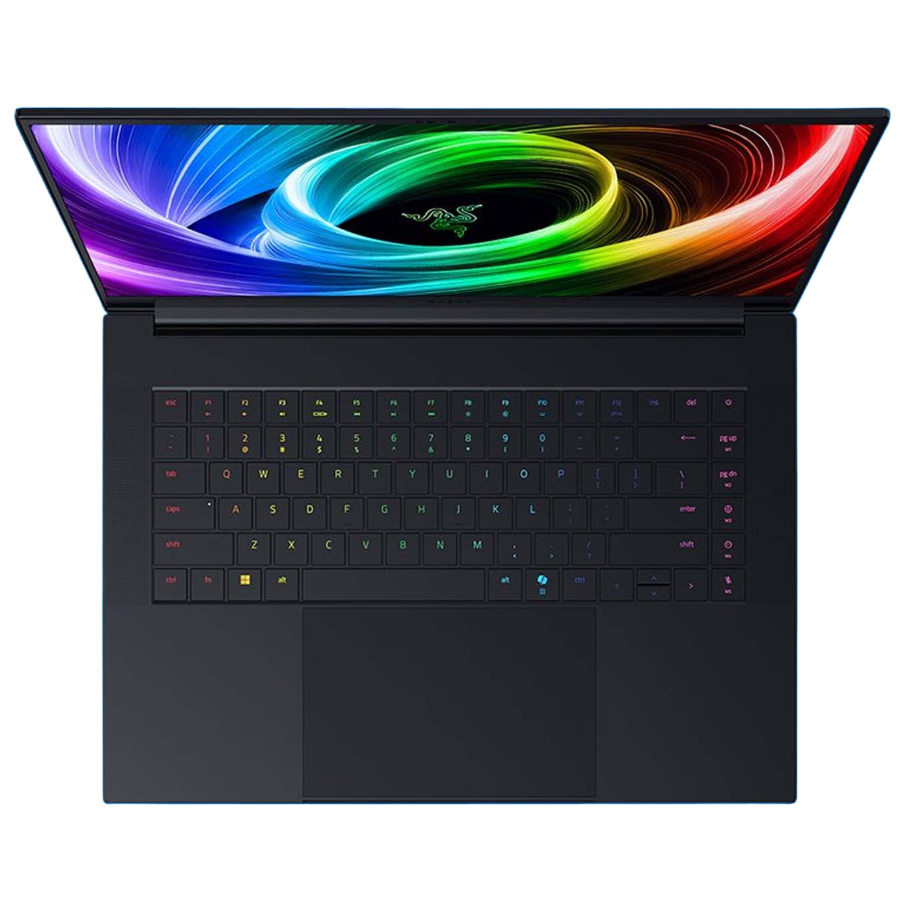
1. Best gaming laptop: Razer Blade 16
2. Best gaming PC: HP Omen 35L
3. Best handheld gaming PC: Lenovo Legion Go S SteamOS ed.
4. Best mini PC: Minisforum AtomMan G7 PT
5. Best VR headset: Meta Quest 3

You must confirm your public display name before commenting
Please logout and then login again, you will then be prompted to enter your display name.