You are now subscribed
Your newsletter sign-up was successful
Want to add more newsletters?

Every Friday
GamesRadar+
Your weekly update on everything you could ever want to know about the games you already love, games we know you're going to love in the near future, and tales from the communities that surround them.

Every Thursday
GTA 6 O'clock
Our special GTA 6 newsletter, with breaking news, insider info, and rumor analysis from the award-winning GTA 6 O'clock experts.

Every Friday
Knowledge
From the creators of Edge: A weekly videogame industry newsletter with analysis from expert writers, guidance from professionals, and insight into what's on the horizon.

Every Thursday
The Setup
Hardware nerds unite, sign up to our free tech newsletter for a weekly digest of the hottest new tech, the latest gadgets on the test bench, and much more.

Every Wednesday
Switch 2 Spotlight
Sign up to our new Switch 2 newsletter, where we bring you the latest talking points on Nintendo's new console each week, bring you up to date on the news, and recommend what games to play.

Every Saturday
The Watchlist
Subscribe for a weekly digest of the movie and TV news that matters, direct to your inbox. From first-look trailers, interviews, reviews and explainers, we've got you covered.

Once a month
SFX
Get sneak previews, exclusive competitions and details of special events each month!
As the memory supply crisis rages on, manufacturers are continuing to scale up operations in a bid to meet the accelerated demand. The latest memory maker to expand its production line is Micron, which has just signed a letter of intent to acquire Powerchip Semiconductor Manufacturing Corporation’s (PSMC) Tongluo chip foundry in Taiwan.
The company's statement to its investors clarifies that this includes an existing 300 mm wafer cleanroom measuring 300,000 square feet, though none of the production equipment contained therein. In total, it's a deal to the tune of $1.8 billion that will encompass more than facilities, with Micron also hoping to establish a long-term business relationship with PSMC.
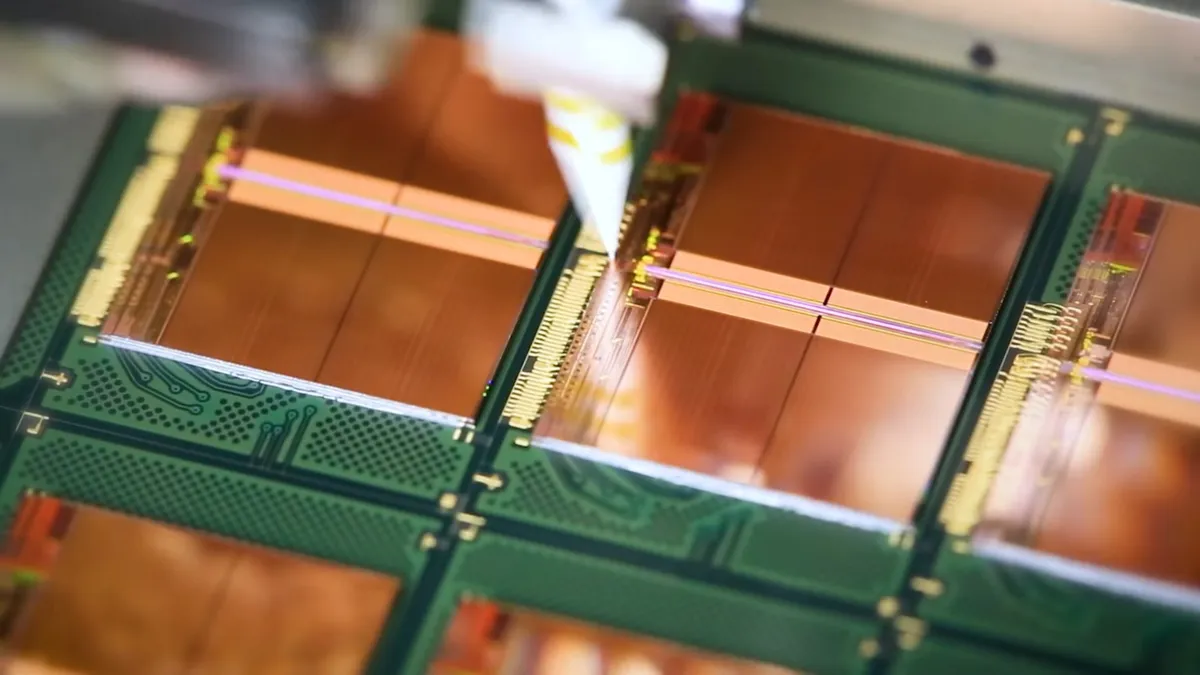
As this acquisition does not include manufacturing hardware, Micron will launch a multi-phase plan to deploy both new and existing chip manufacturing tech. Given the Tongluo fab's close proximity to the company's existing Taichung site, it's hoped that the acquisition will work to both aid "Micron’s post-wafer assembly processing and to support PSMC in its legacy DRAM portfolio."
According to TrendForce, Micron has been on a fab acquisition roll as of late; before scooping up the Tongluo site, Micron had also acquired two other fabs from AU Optronics, plus one from AUO Crystal, and one more from Glorytek. Additionally, the company plans to repurpose some of its existing NAND flash facilities in Singapore towards DRAM metallization.
All of that is without even mentioning the recent closure of sub-brand Crucial, reducing the company's presence in the consumer space to a toehold.
Though it's definitely been busy, the demands of the ever-hungry AI industry still vastly outstrip even Micron's best efforts to scale up. To frame it one way, a representative from a prominent consumer-focused memory module manufacturer recently claimed the AI industry has bought close to 40% of wafer production.
If this estimate is even partially accurate, then it's no wonder Micron CEO Sanjay Mehrotra said in a recent earnings call, "Despite significant efforts, we are disappointed to be unable to meet demand from our customers across all market segments."
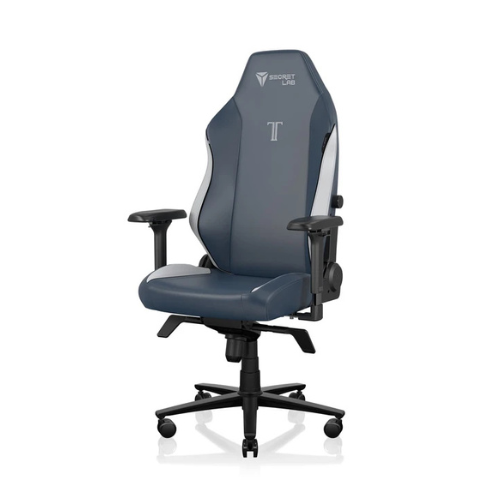
1. Best gaming chair: Secretlab Titan Evo
2. Best gaming desk: Secretlab Magnus Pro XL
3. Best gaming headset: Razer BlackShark V3
4. Best gaming keyboard: Asus ROG Strix Scope II 96 Wireless
5. Best gaming mouse: Razer DeathAdder V4 Pro
6. Best PC controller: GameSir G7 Pro
7. Best steering wheel: Logitech G Pro Racing Wheel
8. Best microphone: Shure MV6 USB Gaming Microphone
9. Best webcam: Elgato Facecam MK.2

You must confirm your public display name before commenting
Please logout and then login again, you will then be prompted to enter your display name.