There's one thing that handheld gaming PCs, some laptops, and most phones all have in common, and it's the use of LPDDR5X for the system memory. While fast in speed and low in power usage, it doesn't offer a lot of bandwidth, so the fact that SK hynix is set to start mass production of its next-gen LPDDR6 this year is good news. The bad news is that the DRAM maker seems hell-bent on selling this to the AI crowd.
SK hynix's announcement that it has successfully validated its LPDDR6 design on a cutting-edge process node is genuinely good to hear, simply because the performance of most handheld gaming PCs is held back by the fact that the memory they currently use is a bit rubbish at offering lots of VRAM bandwidth.
Article continues below 
SK hynix says its LPDDR6 chips use 20% less power compared to the previous generation of DRAM modules, and together with the better performance, it's obvious that they're ideal for handheld gaming PCs, as well as certain laptops. Although there are no processors or APUs on the market that support LPDDR6 yet, there probably will be by the time the new memory is fully available to purchase in bulk.
But that might be somewhat of a sticking point, because there's a certain phrase that festoons SK hynix's press release and it's AI, of course.
I'm not suggesting that the South Korean firm is targeting the hulking data center market, although that will probably use the new memory at some point; instead, it's talking about "mobile products such as smartphones and tablets equipped with on-device AI."
Such manufacturers will certainly be banging at SK's door for this memory, especially Apple, and given that all DRAM manufacturers are currently focusing production for the AI data center market, that means there will be scant offerings left for everyone else.
So no matter if AMD or Intel's next series of LPDDR6-capable gaming APUs are really good, there's unlikely to be enough memory to go around to meet the demand of every market. Just as it is now, sadly.
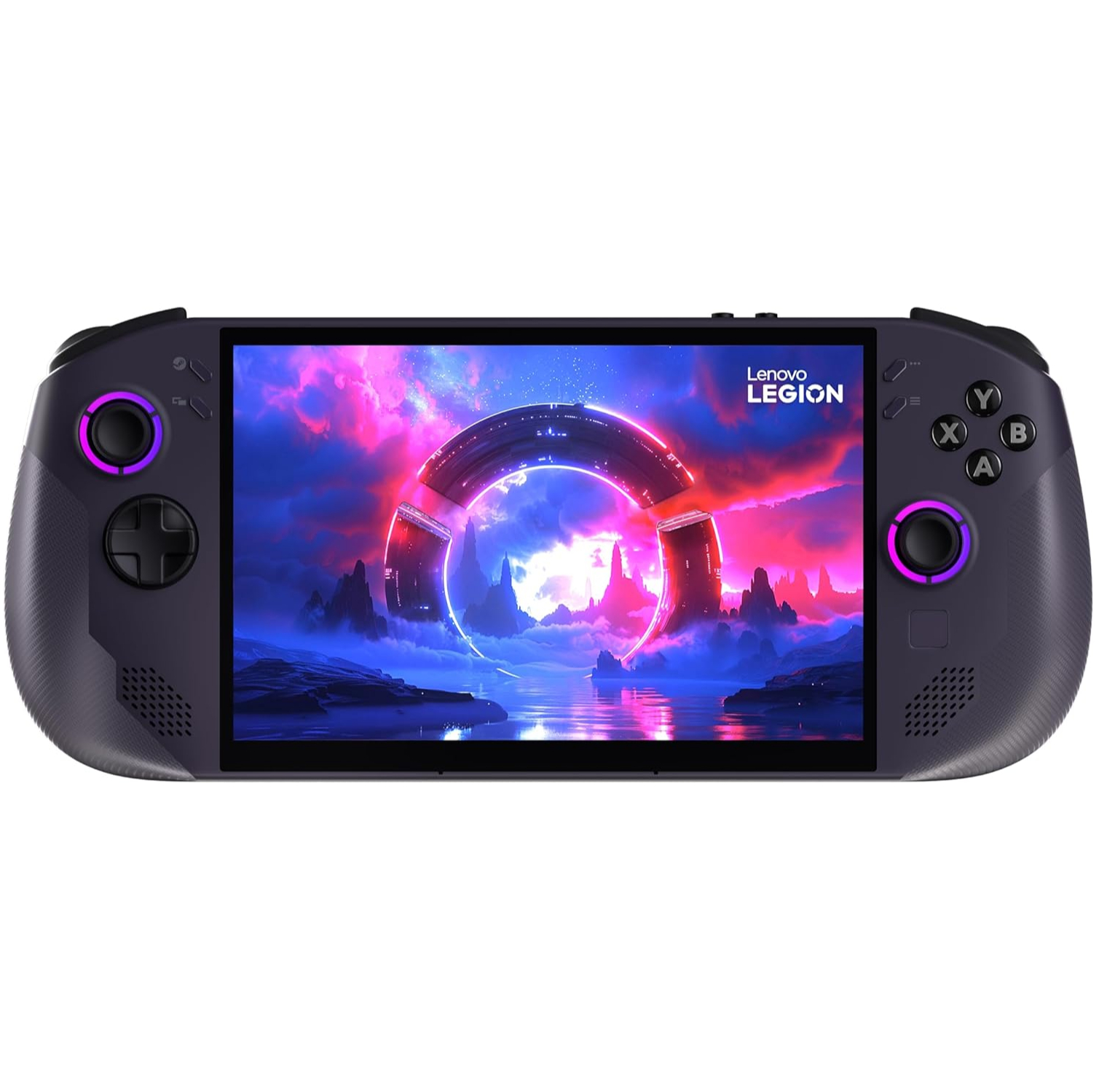
1. Best overall:
Lenovo Legion Go S SteamOS
2. Best budget:
Steam Deck
3. Best Windows:
Asus ROG Xbox Ally X
4. Best big screen:
Lenovo Legion Go
5. Best compact:
Ayaneo Flip DS

You must confirm your public display name before commenting
Please logout and then login again, you will then be prompted to enter your display name.