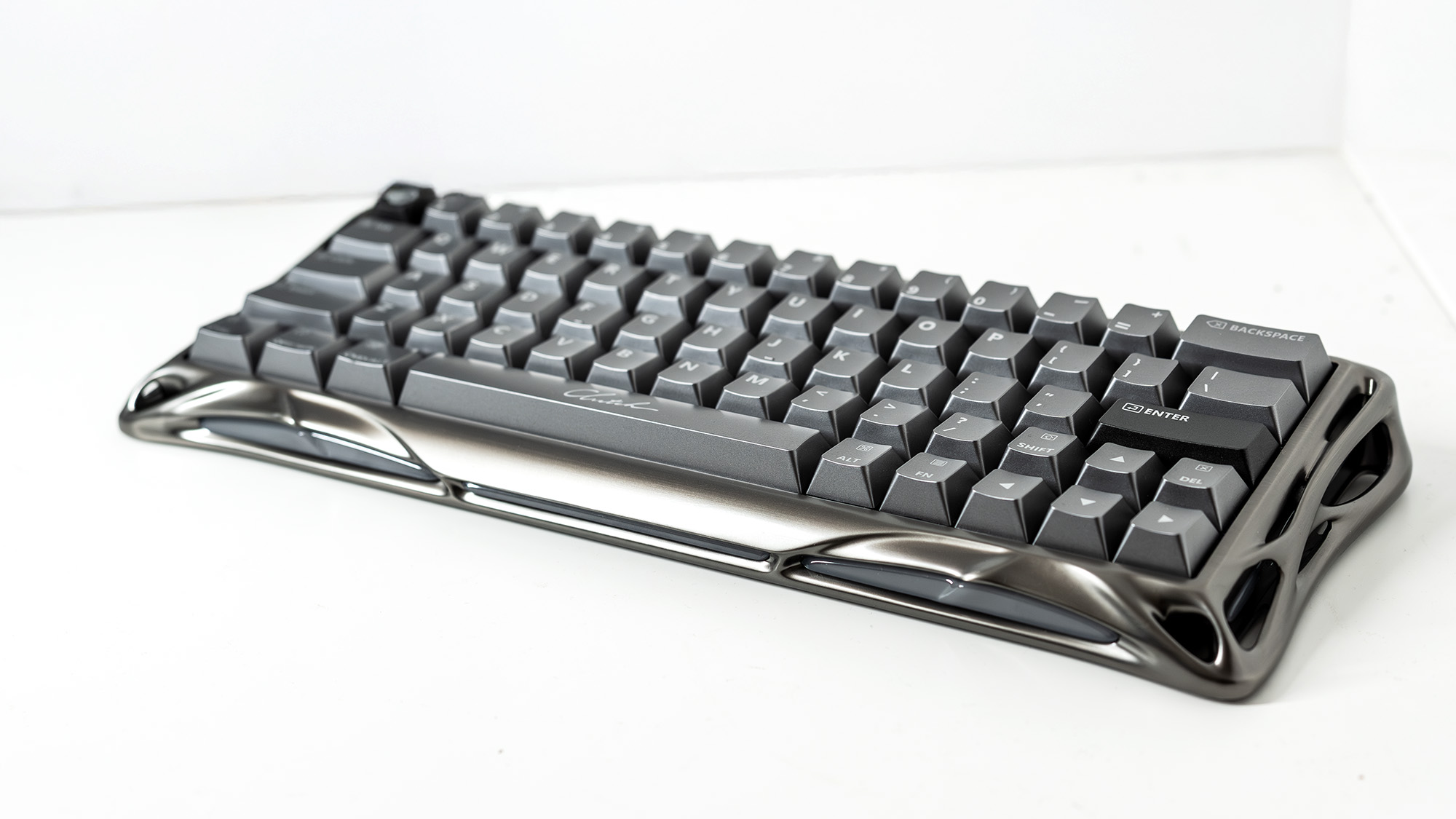
Microsoft is beginning to take the wraps off Project Helix, its newly-teased Xbox console that has been promised to play both Xbox and PC games. While we know very little about the machine for now, new CEO of Microsoft Gaming Asha Sharma says we'll be finding out more at next week's GDC.
Which makes me wonder about the future of the Steam Machine. Valve's own PC gaming living room box has generated a considerable amount of hype since its announcement late last year, and the two now seem closer in goals than might have been initially though.
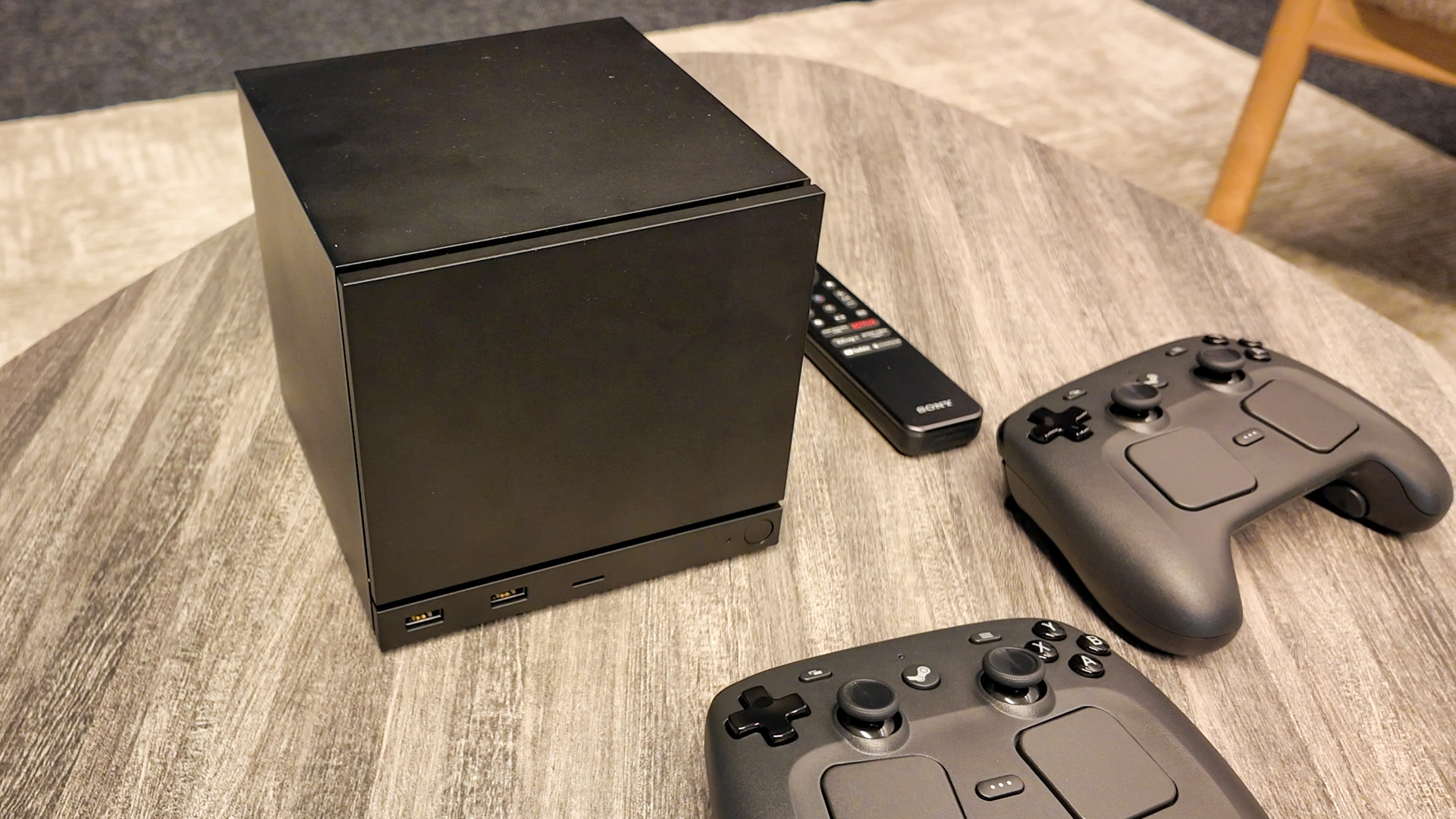

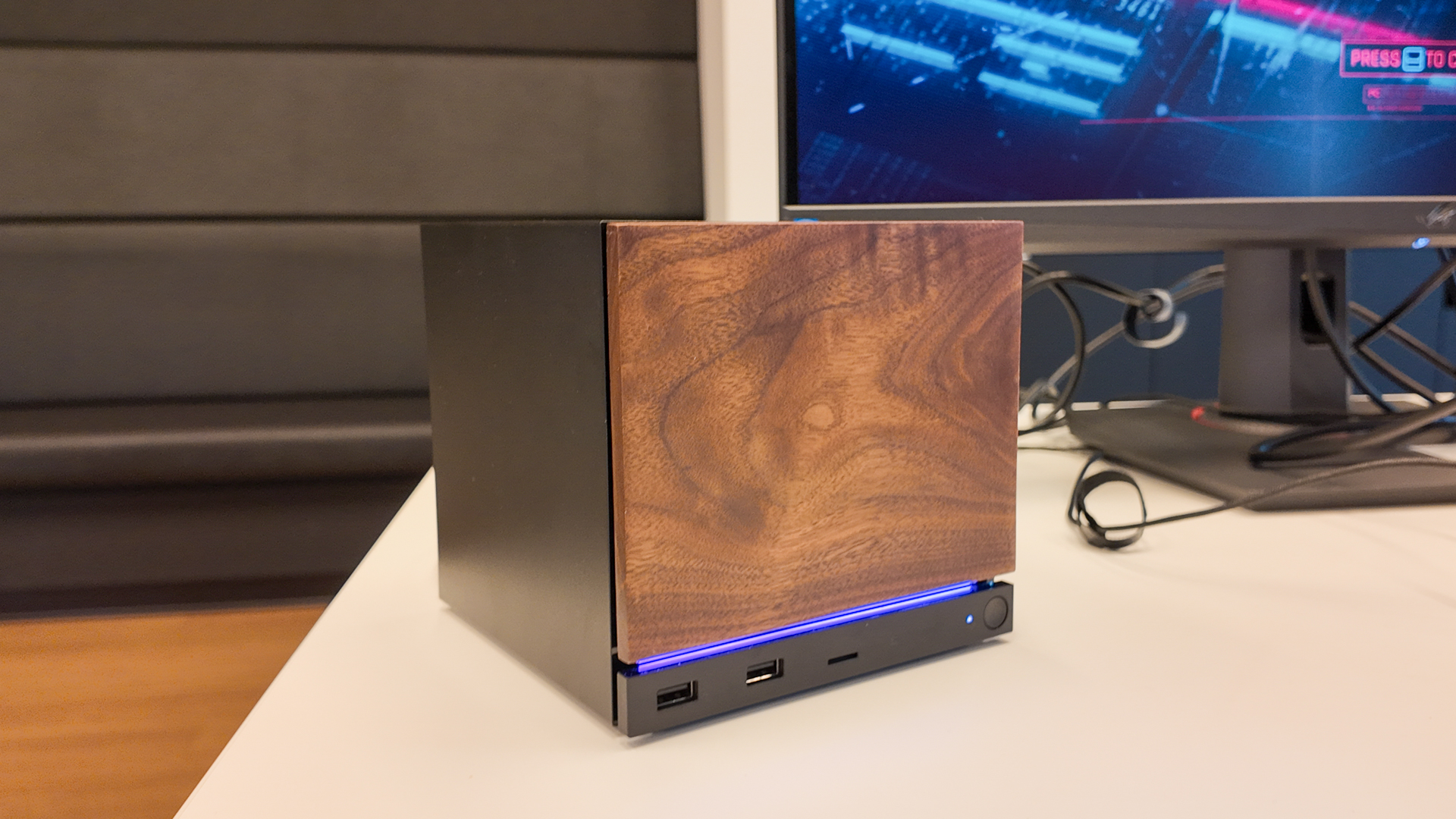
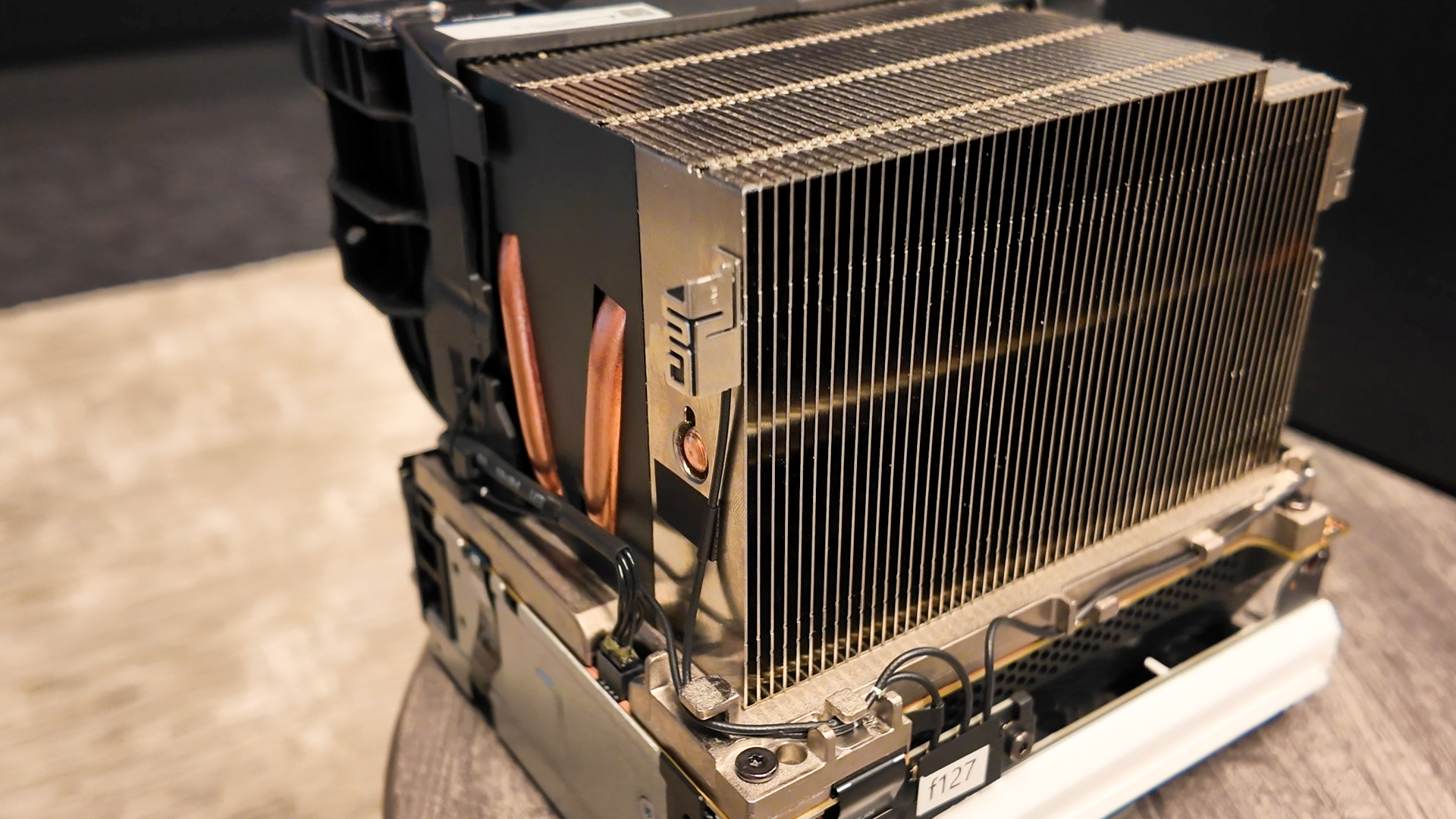
Being essentially a SteamOS-powered mini PC with a fancy new controller, the Steam Machine has the potential to bring PC gaming to a more console-like, consumer-friendly format far faster than the Xbox machine.
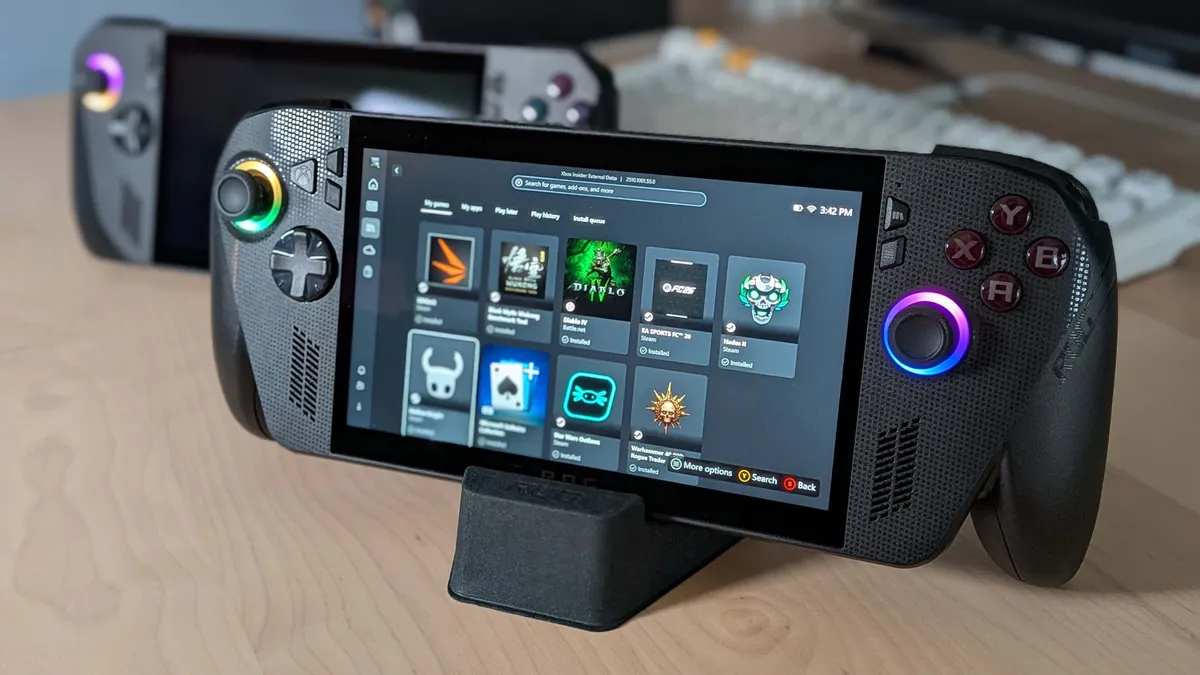
And it'll have Steam's mega back catalogue of games to play with, to boot. What exactly is meant by "play PC games", in regards to the new Xbox, is a very open question at this point. Game Pass games only? Xbox cross-platform games? Or will it be more like the ROG Xbox Ally, with Windows-based agnostic support?
However, when it comes to public perception, that Xbox branding carries a lot of weight. While Valve and its Steam platform are very familiar faces to anyone of a PC gaming persuasion, it's still a far less universally-recognised name than Xbox.
The latter is part of the wider public consciousness, in the same way that your grandparents are probably familiar with "PlayStation" and "Nintendo" as general terms for gaming machines. A PC gaming-capable console bearing the name? That's quite the behemoth entering the space.
Arguably, Valve doesn't need to worry. Bringing PC gaming to PC gamer's front rooms is the primary goal for the Steam Machine, and any PC-curious console gamers that come into the fold are likely to be a bonus.
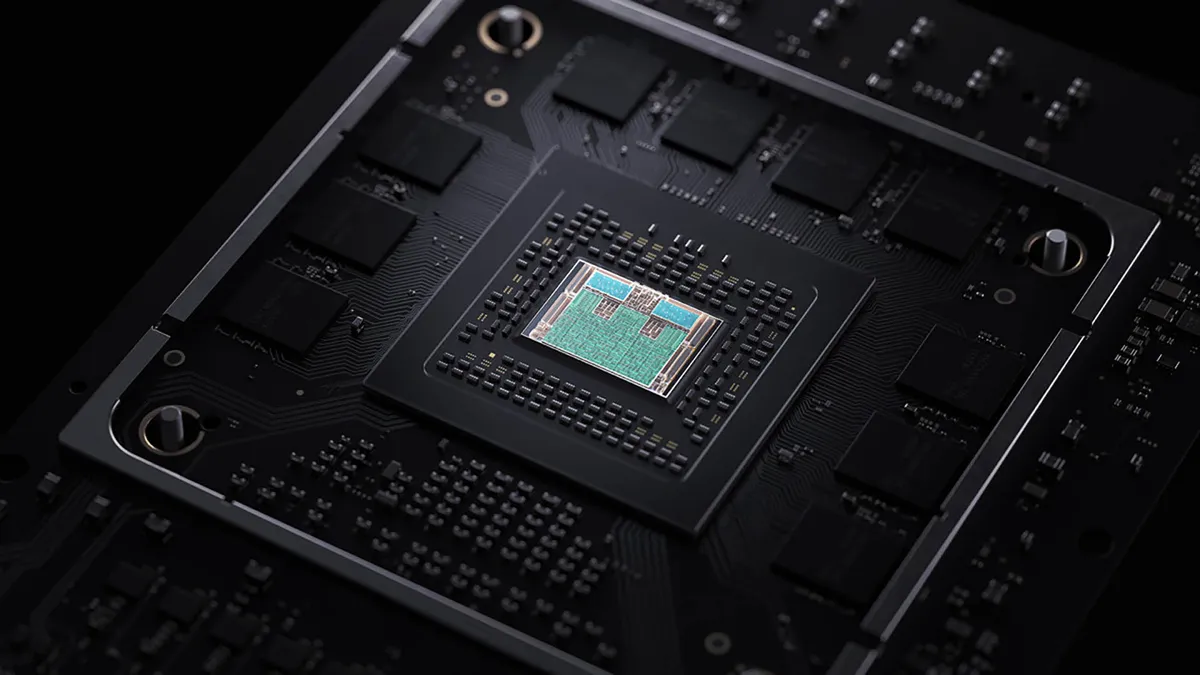
But if choosing between living room PC gaming from either machine is the goal, there's also the matter of performance to consider. While the Steam Machine has reasonable specs for a mini PC, it'll almost certainly have older hardware than whatever AMD is cooking up for the new Xbox.
RDNA 5 is mooted to land sometime in 2027, and there's a good bet that whatever semi-custom chip ends up in the new Xbox will use some variant of it.
And while Valve's goal for the Steam Machine's performance was to play every game on Steam at 4K60 with upscaling, it's a very tall order for the semi-custom RDNA 3 chip at its core. Our Jacob had a go at Cyberpunk 2077 on the Steam Machine late last year, and while it ran pretty well at 4K, the experience was much smoother at 1080p. Many TVs are now 4K units, and the new Xbox might have the grunt to make smooth 4K performance more feasible.
As always in the current market, pricing is going to be key to the success of either machine, no matter which area of the gaming market they operate in.
With the ongoing memory and storage crisis continuing to bite, Valve has pushed back the pricing announcement of its new efforts to an unknown date. However, Microsoft will have its own DRAM and NAND shortage-related concerns to worry about.
We've had two bites of the cherry in regards to guessing the Steam Machine's price, and ended up averaging our estimates to around $1,000. If that AMD-mooted 2027 launch date is correct, it's almost impossible to guess what DRAM prices might be like by the time Project Helix launches. Still very, very high, I would have thought.
Still, with the Steam Machine now likely to be more expensive than Valve initially intended, the two may end up being closer in price than initially thought—with the Xbox machine likely being considerably more powerful.
There's so much still to speculate about at this point. But while the Steam Machine and the new Xbox may end up being very different machines, the fact that both will be able to deliver PC gaming in some form or fashion to our front rooms means they now run into each other a little more than initially expected.
Roll on next week, I guess. I must know more about the new Xbox front, marching its little boots into our PC gaming space.
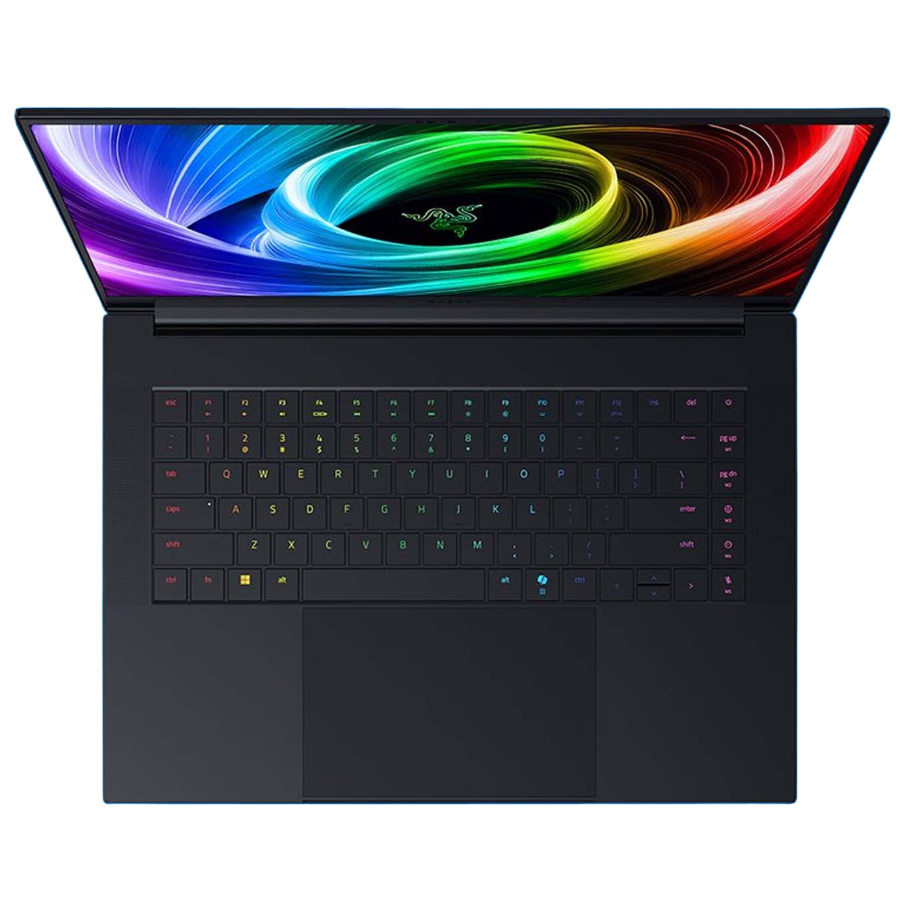
1. Best gaming laptop: Razer Blade 16
2. Best gaming PC: HP Omen 35L
3. Best handheld gaming PC: Lenovo Legion Go S SteamOS ed.
4. Best mini PC: Minisforum AtomMan G7 PT
5. Best VR headset: Meta Quest 3

You must confirm your public display name before commenting
Please logout and then login again, you will then be prompted to enter your display name.