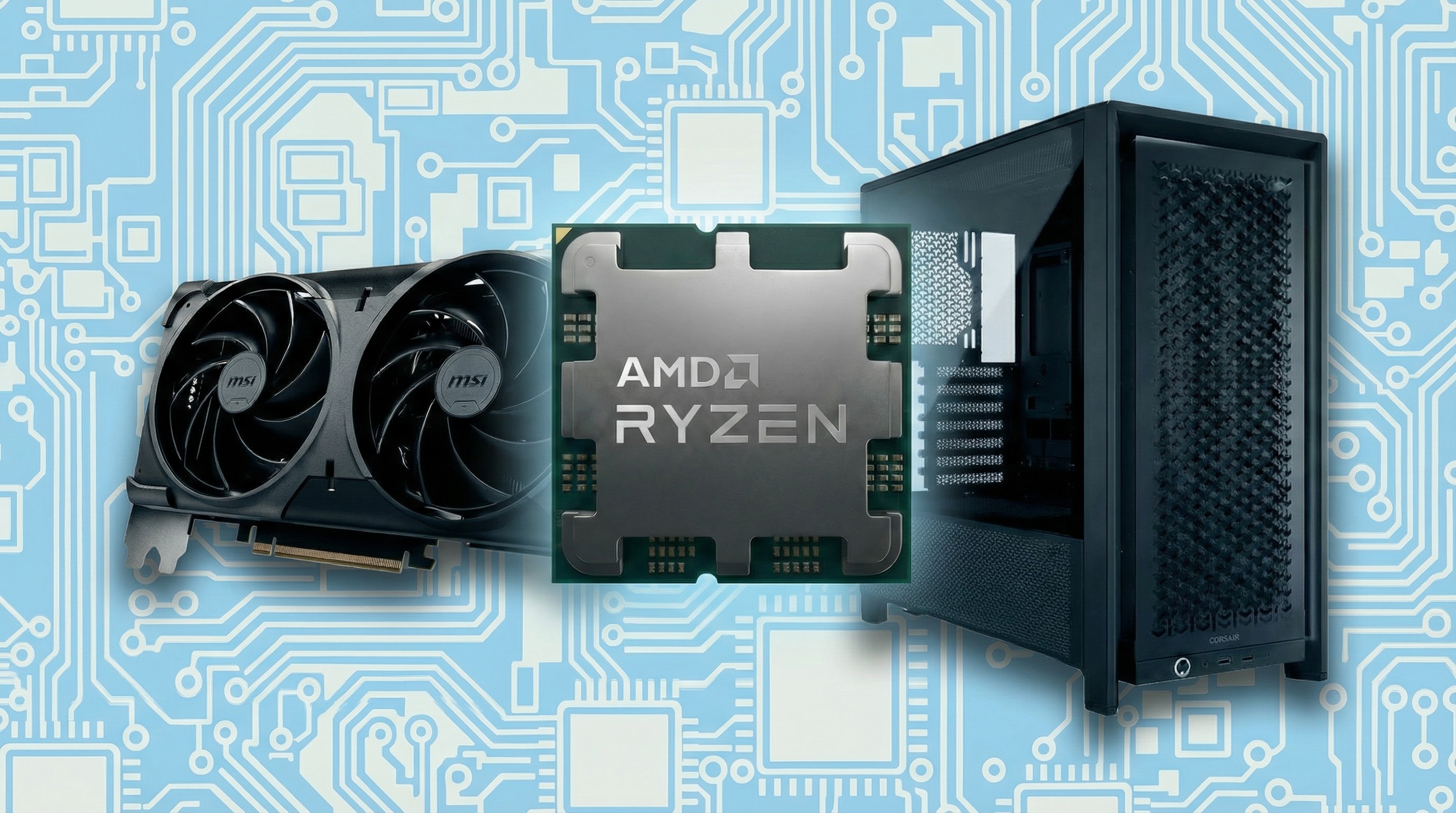
Nvidia reportedly won't release any new RTX graphics cards this year, and the RTX 60-series is said to be pushed back, too
About what we thought, but still disappointing to hear.
Keep up to date with the most important stories and the best deals, as picked by the PC Gamer team.
You are now subscribed
Your newsletter sign-up was successful
Want to add more newsletters?
Every Friday
GamesRadar+
Your weekly update on everything you could ever want to know about the games you already love, games we know you're going to love in the near future, and tales from the communities that surround them.
Every Thursday
GTA 6 O'clock
Our special GTA 6 newsletter, with breaking news, insider info, and rumor analysis from the award-winning GTA 6 O'clock experts.
Every Friday
Knowledge
From the creators of Edge: A weekly videogame industry newsletter with analysis from expert writers, guidance from professionals, and insight into what's on the horizon.
Every Thursday
The Setup
Hardware nerds unite, sign up to our free tech newsletter for a weekly digest of the hottest new tech, the latest gadgets on the test bench, and much more.
Every Wednesday
Switch 2 Spotlight
Sign up to our new Switch 2 newsletter, where we bring you the latest talking points on Nintendo's new console each week, bring you up to date on the news, and recommend what games to play.
Every Saturday
The Watchlist
Subscribe for a weekly digest of the movie and TV news that matters, direct to your inbox. From first-look trailers, interviews, reviews and explainers, we've got you covered.
Once a month
SFX
Get sneak previews, exclusive competitions and details of special events each month!
According to a report from The Information, Nvidia won't be releasing any new graphics cards for gamers in 2026, according to "two people with direct knowledge of the matter."
The next generation RTX 60-series GPUs are also said to be pushed back, as it's claimed they were originally due to begin mass production at the end of 2027.
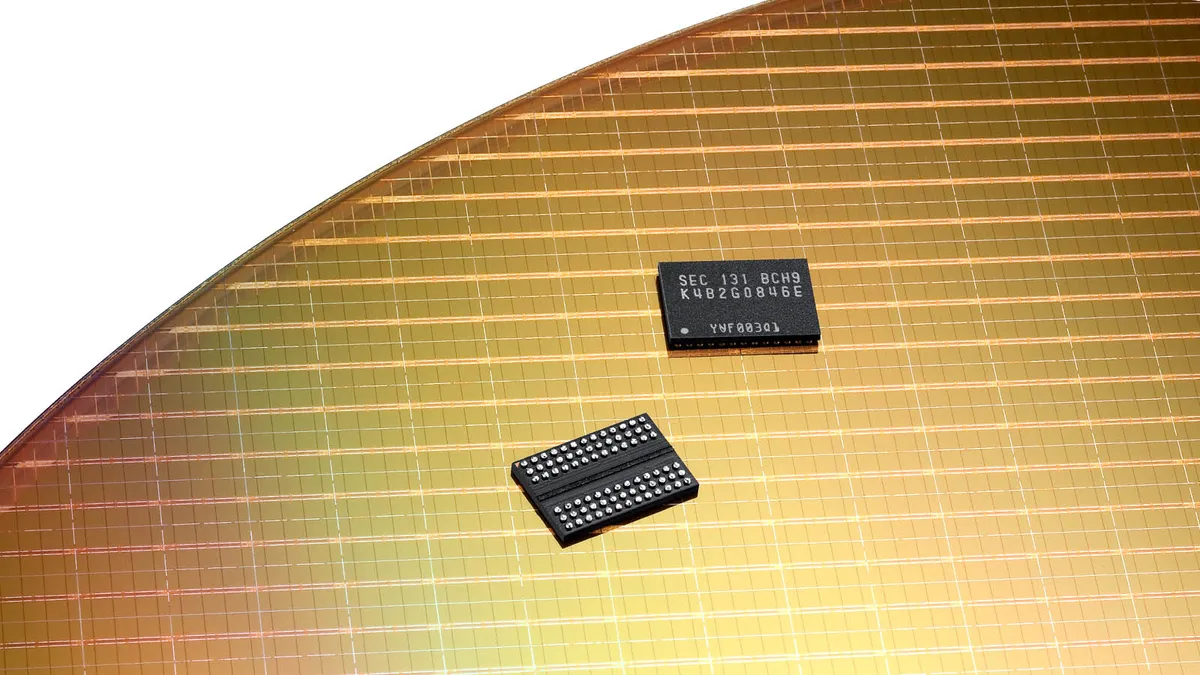
The stated reason for these delays will be fairly obvious for those of you keeping up with the situation in PC gaming hardware at the moment. Yes, it's the ongoing memory shortage that's said to be to blame, as DRAM module supply is being hoovered up by AI servers, with little left over for the consumer market.
While small amounts of hope held out for a Super refresh of Nvidia's 50-series cards at some point this year, the new offerings would still need a substantial dose of VRAM. Rumours last year suggested that the refresh would involve an 18 GB RTX 5070 Super and potentially a 24 GB RTX 5080 variant, with the former making use of multiple 3 GB GDDR7 modules.
As the memory supply crisis went further and further into the red, it became clear that a VRAM-stuffed Super refresh in the coming months was unlikely. The RTX 50-series cards we've tested to date are also reliable overclockers, so higher-clocked Super refreshes were also unlikely to shift many units.
And with the current RTX 50-series cards already commanding eye-watering prices, charging even more for VRAM-stuffed GPUs with higher clock speeds straight from the box doesn't make a huge amount of economic sense. Reports late last year suggested that Nvidia was already looking to cut gaming GPU production by up to 40% in 2026 as a result of the supply crisis, and that Nvidia was planning to stop bundling VRAM with its graphics chips to AIB partners.
The Information says one of its sources has already confirmed that current generation GPU production is being slashed, adding credence to those earlier reports. Add in the fact that TSMC's manufacturing capacity is limited—which means the capacity it does have would be much better spent on AI GPUs than gaming graphics cards as far as Nvidia's concerned—and it's really not looking good for us PC gamers.
Keep up to date with the most important stories and the best deals, as picked by the PC Gamer team.
As for the RTX 60-series, the rumours that its production has been pushed back to post-2027 are even less of a surprise. That still means a potential release window in 2028, but it would also mean we have a long time to wait yet for new Nvidia graphics silicon. Not to mention, Nvidia's post-Rubin architecture, Feynman, is due out in AI GPU format by then. What a mess.
Still, if The Information's sources are correct, it would seem that Nvidia may be banking on the memory module supply crisis to be over by 2028, as many analysts predict that 2026 and likely most of 2027 will be a write-off for cheap, abundant DRAM supply. SK Hynix, Samsung, and Micron, the big three DRAM manufacturers, all have plans for multiple new memory fabs to be operational in the next few years—although who knows what the AI server market will look like by then.
In the meantime, those of you that already have a reasonably powerful modern graphics card may wish to hold on to it, or potentially pay inflated prices for Nvidia's current RTX 50-series efforts in future—especially if supply is likely to be further constrained.
There's always AMD of course, but it's not like its RX 9070, RX 9070 XT, and RX 9060 XT cards are unaffected by price increases and memory-related concerns, either. And talk of its next generation RDNA5/UDNA GPUs has gone suspiciously quiet in recent months. I wonder why.
It's a sad state of affairs for the PC gaming hardware industry at the moment, and by the looks of these reports, it's not likely to get any better for some time to come.
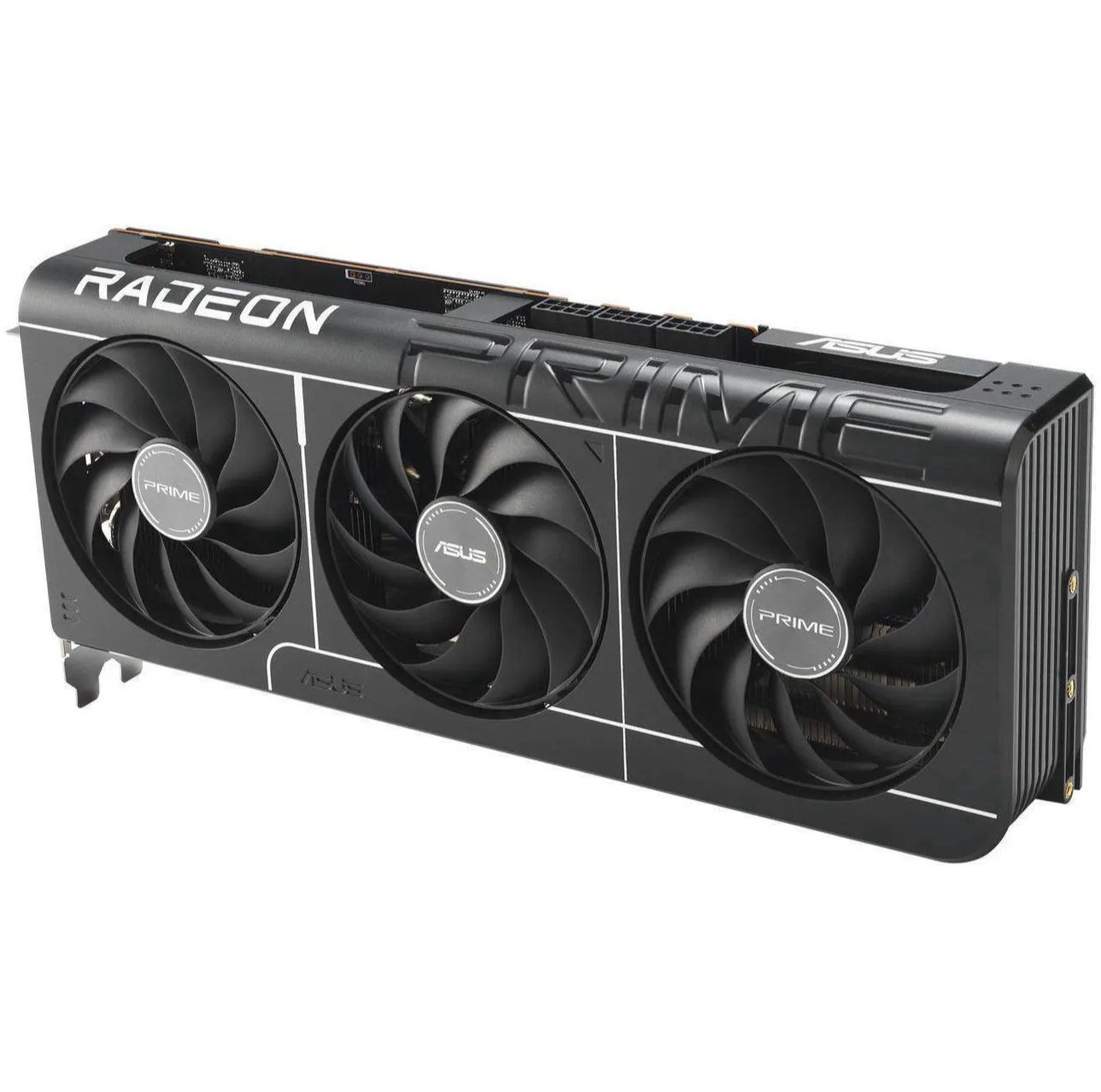
1. Best overall: AMD Radeon RX 9070
2. Best value: AMD Radeon RX 9060 XT 16 GB
3. Best budget: Intel Arc B570
4. Best mid-range: Nvidia GeForce RTX 5070 Ti
5. Best high-end: Nvidia GeForce RTX 5090

Andy built his first gaming PC at the tender age of 12, when IDE cables were a thing and high resolution wasn't—and he hasn't stopped since. Now working as a hardware writer for PC Gamer, Andy spends his time jumping around the world attending product launches and trade shows, all the while reviewing every bit of PC gaming hardware he can get his hands on. You name it, if it's interesting hardware he'll write words about it, with opinions and everything.
You must confirm your public display name before commenting
Please logout and then login again, you will then be prompted to enter your display name.